Daily savings for freelancers: How to choose a bank account with liquidity and no fees
Practical guide for freelancers to choose a bank account that reduces fees, supports irregular cash flow and boosts daily savings.

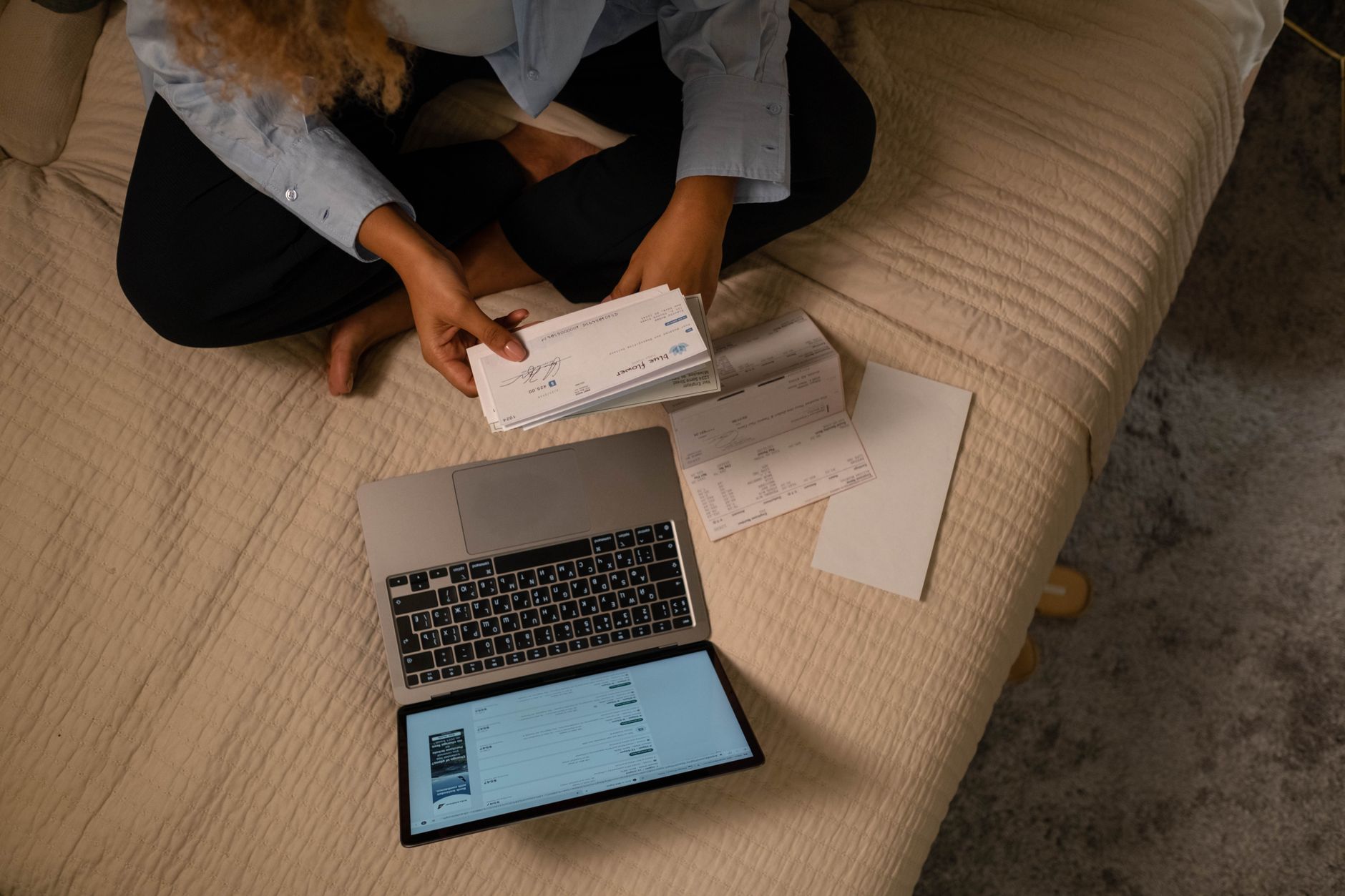
Freelance work differs from fixed salaries; income arrives in irregular instalments, sometimes received in minutes, sometimes taking weeks. When this pattern meets a traditional bank account system, clear gaps appear: frequent withdrawal fees, minimum balance requirements that cost you, or even account closure due to low activity.
What makes a bank account suitable for freelancers?
First, you need an account that does not charge fixed fees on every deposit or withdrawal. Second, it should preferably allow you to deposit money from multiple sources (transfers, cards, e-wallets) without increasing cost. Third, having a tool to gather daily or weekly savings helps you turn surplus into a balance earning simple interest.
Here are three basic criteria for evaluating bank offers:
- Monthly maintenance fees: some banks waive these fees if you exceed a certain number of deposits or maintain a certain balance. Look for terms that match your cash flow rate.
- Cost of cash withdrawal: often a fixed fee is charged for each ATM withdrawal. Choose a bank that gives you a number of free withdrawals or offers free withdrawals via a local ATM network.
- Interest on linked savings account: not all banks pay interest on current accounts. Having a linked savings account with a low minimum balance adds real value.
Step-by-step to reduce fees and increase liquidity
1. List of digital and local banks – start by creating a simple table with bank names, maintenance fees, number of free withdrawals, minimum balance, and interest rate on the savings account. Do not overlook banks offering electronic accounts without branches; they are often cheaper.
2. Analyse your income pattern – record all your income sources over two months: number of invoices, average amounts, transfer frequency. If the average is 3,500 riyal with a variation of ±2,000, you can estimate the number of deposits and cash withdrawals needed to cover expenses.
3. Choosing the minimum balance – if you can maintain 1,000 riyal as a minimum, look for a bank that allows this threshold without maintenance fees. If you cannot, move to an account with no minimum balance at all.
4. Integrate daily savings – some banking apps let you transfer a fixed amount (e.g. 100 riyal) each day to a savings account. This creates an automatic saving habit and increases chances of earning compound interest.
5. Benefit from free ATM networks – if you travel between cities, choose a bank partnered with multiple ATM networks (e.g. 150 ATMs). Make sure you do not pay fees outside this network.
6. Review fees every six months – note any new fees appearing on your statement, then compare them against the standards you set. If fees rise or terms change, do not hesitate to switch to another account.
Bank account for freelancers in practice: a real‑world scenario
Sara, an independent graphic designer, receives most of her earnings via PayPal and some payments via direct bank transfer. Initially, she opened an account at a traditional bank charging 15 riyal monthly maintenance and a 5 riyal withdrawal fee per transaction. Over three months, she spent 120 riyal on withdrawal fees alone, plus 45 riyal in maintenance.
After reviewing her comparison table, she switched to a digital bank offering free withdrawals from any ATM within the country and no maintenance fee provided she makes three deposits of at least 500 riyal each month. Frequent withdrawals from the bank’s ATM network were free, boosting her effective balance thanks to daily surplus swept into a savings account earning 1.5 % interest per year.
The result: over six months, she saved 80 riyal in fees and increased her daily savings to 600 riyal, equivalent to what she had been paying in bank fees over a full year.
Quick tips to avoid financial surprises
• Enable instant notifications via the bank’s app; you will know when fees are deducted or a withdrawal is made.
• Use the bank’s electronic card for online payments; it is often free and carries no transaction fees.
• Keep copies of contracts; if unexpected fees appear, you can negotiate their removal.
• Try a trial account if the bank offers a demo version of its digital platform, use it to assess the interface and ease of use before committing.
Conclusion
Choosing a bank account for freelancers is not just about price; it is a blend of flexibility, transparency, and the ability to turn daily surplus into a balance that earns a return. By applying the steps outlined, you can cut fees, improve cash liquidity and strengthen saving habits. The core idea is to treat the bank as a tool that helps you organise irregular income flows, not as an additional obstacle.


