Collecting Small Surpluses: A Smart Way to Turn Every Penny into Savings
Discover how rounding up each purchase can quietly add a meaningful amount to your savings each month.

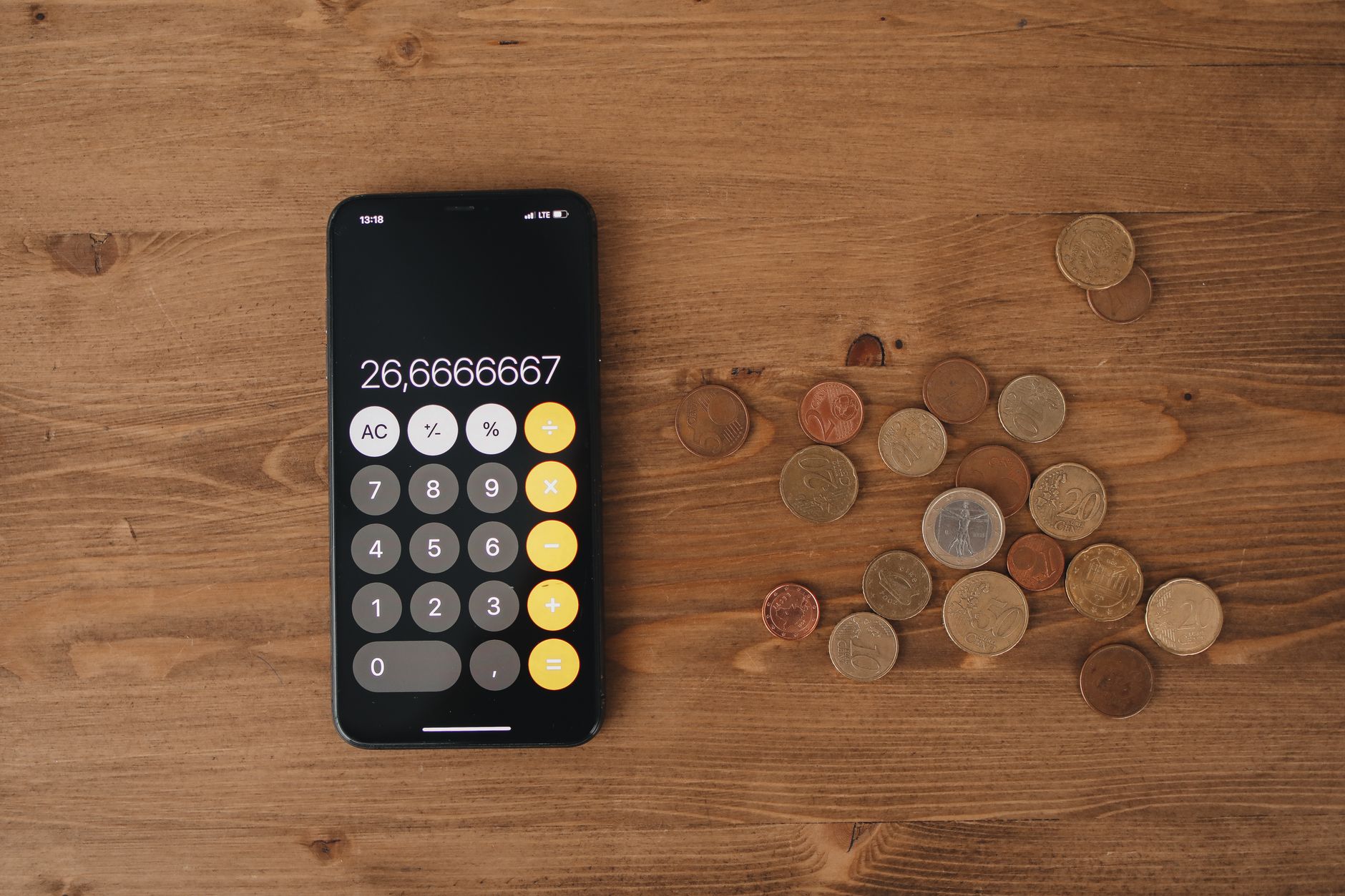
Often, people think saving money means cutting big expenses or giving up luxuries. The truth is that small surpluses – the difference between what you pay and what you actually owe in each transaction – can become a steady source of savings if directed systematically.
What is the concept of collecting small surpluses?
The idea is simple: when you pay more than the actual price (for example, £55 instead of £50), the £5 difference is a “small surplus”. If you choose to keep this surplus rather than treat it as a loss, it builds up over time.
On average, each purchase carries a surplus ranging from 1% to 5% of the purchase value. Over a month, with more than 30 transactions, the monthly surplus can reach £100‑£200 without any extra effort.
Practical steps to activate the surplus collection technique
- Choose a rounding method. You can round each transaction to the nearest £5 or £10. If your purchase is £73, you pay £80 and keep £7 as surplus.
- Use an app that supports “Round‑Up”. Several banking apps and digital wallets let you enable automatic transfer of surpluses to a separate savings account. Examples: Nuqood, Al-Bank Al-Saudi – surplus collection feature.
- Set a savings goal. Collected surpluses should not sit in a regular account; direct them to a goal fund (travel, car maintenance, emergencies).
- Monitor the accumulation regularly. Each week or month, review the total saved to feel progress and reinforce the habit.
- Gradually increase the surplus. If you start by rounding to the nearest £10, after three months you can switch to rounding to the nearest £5 to boost your savings rate.
Real-world examples showing the difference
Salma, an administrative worker, bought coffee from a nearby café for £12. She chose to pay £15 via her card, keeping £3 as surplus. Throughout August, she bought 45 coffees using a similar approach, accumulating £135.
Without feeling any budget pressure, Salma placed this amount in her emergency fund and used it to cover car maintenance.
Meanwhile, Mohammed, owner of a small trading business, activated the “Round‑Up” feature on his business bank account. Each company withdrawal (e.g., £247) was rounded to £250, with £3 transferred to a savings account. Over six months, £540 accumulated, which he used to expand inventory.
Digital tools that make collection easier
There are several ways to do this without manual calculation:
- Banks offering surplus collection. Some Arab banks allow linking a savings account to a current account and enabling automatic surplus transfers.
- Financial apps. Apps like Cashier or Yalla Finance let you set rounding rules and choose a destination account.
- Virtual cards. When creating a virtual card for online purchases, the platform can be set to capture surpluses and send them directly to your savings account.
- Excel personal tracker. If you prefer not to rely on an app, you can create a simple spreadsheet that adds surpluses automatically when you enter the actual amount spent.
Tips to avoid common pitfalls
Not every surplus is used wisely. Here are some mistakes that may hinder saving:
- Paying more on purpose when not needed; this may increase surpluses but eats into a targeted budget.
- Ignoring accumulated surpluses; if left in the current account, you lose potential interest.
- Failing to set a clear goal; without a specific target, surpluses may get spent on discretionary expenses.
The solution is to cap surpluses at no more than 10% of each transaction’s value and direct them straight to a dedicated savings account.
How to turn surpluses into sustainable financial habits
Start by applying the technique to one spending category (e.g., coffee or small purchases) for two weeks. If you notice surpluses building without changing your lifestyle, add a second category. Keep expanding until surplus collection becomes part of every financial transaction.
Over time, you’ll see that the small amounts that seemed insignificant have become a steady source for covering unexpected costs or achieving long-term goals.
Conclusion
Collecting small surpluses is not just a theoretical idea; it’s a practical tool anyone can use right away. All it takes is choosing a suitable rounding method, picking a reliable app, and setting a clear savings goal. If you succeed in turning surpluses into savings, you’ll find your budget more flexible, financial pressure lower, and even the smallest expenses feel like they’re contributing to your future.


