Vertical Farming in Cities: An Islamic Finance Guide to Building an Eco-Friendly Vegetable Farm
Practical steps to finance an urban vertical farming project using sukuk or murabaha, with real examples and advice for entrepreneurs.

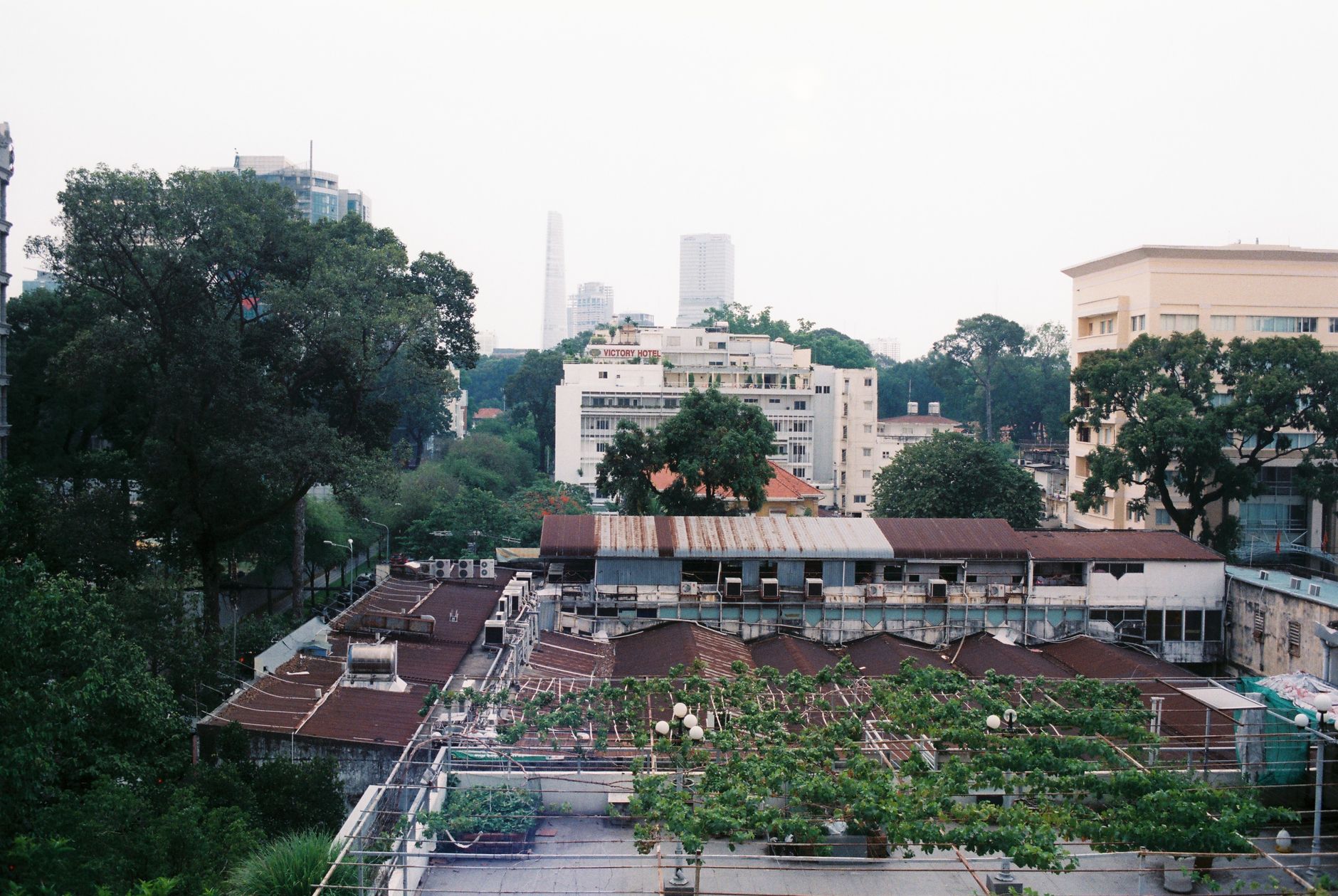
The need for fresh vegetables in urban areas is growing, and with rising food prices, the question “How can we farm in the city without large space?” has become a key issue. Vertical farming – which relies on stacked layers inside buildings or on rooftops – offers the solution. But the idea alone is not enough; you must find a funding source that complies with Sharia principles. This article gives you a practical roadmap from idea to deal completion.
1. Why vertical farming deserves Islamic finance?
There are three main reasons: First, the project produces halal products (organic vegetables without pesticides). Second, it reduces transport costs, thereby lowering carbon emissions – which aligns with the concept of social responsibility in Islamic finance. Third, sukuk or murabaha provide financing without riba-based interest, giving the entrepreneur greater flexibility in loan repayment.
2. Choosing the right financing tool
In Islamic finance, you have two basic options: murabaha or sukuk. Murabaha works like the bank buying equipment (for example, growing trays, LED lighting systems, and climate control devices) and then selling it to you at a price inclusive of the agreed profit, repaid in monthly or quarterly instalments. Sukuk, on the other hand, are investment certificates where a group of investors put money in and rely on real assets (such as land or equipment) and earn returns from the farm’s revenue.
If your project is small and needs quick financing, murabaha is often easier. If you plan to expand the farm on a larger scale and need substantial capital, sukuk may be the better choice.
3. Preparing an Islamic feasibility study
The funding entity – whether an Islamic bank or a sukuk investment company – will require a detailed feasibility study, and it must be Sharia-compliant. Key points it must include:
- Project description: roof area, number of layers, type of vegetables (lettuce, spinach, cherry tomatoes).
- Capital costs: equipment cost, system installation, licensing fees.
- Revenue projections: local market vegetable selling price, monthly production volume.
- Risk analysis: technical risks, market risks, and a plan to handle the time gap between planting and harvest.
- Sharia compliance: documentation that all materials used (fertilisers, water) are halal and contain no prohibited substances.
Bear in mind that the Sharia supervisory board at the bank reviews every item, so any ambiguity or exception could prolong the process.
4. Steps to apply for financing
1️⃣ Choosing the bank or institution: Look for Islamic banks in your country offering murabaha products for the agricultural sector. Example: Al Rajhi Bank in Saudi Arabia or Emirates Islamic Bank in the UAE.
2️⃣ Preparing the application file: This includes your CV, business plan, feasibility study, and a copy of your commercial registration.
3️⃣ Meeting with the Sharia supervisory committee: They will explain how the profit margin or sukuk return is calculated, and you explain how the project delivers social benefit.
4️⃣ Negotiating the terms: Repayment period, profit percentage in murabaha, or rate of return in sukuk. Try to align repayment with the harvest season (for example, repaying half the loan six months after launch).
5️⃣ Issuing sukuk or signing the murabaha contract: In the case of sukuk, sukuk certificates are issued and distributed to investors. In the case of murabaha, the bank buys the equipment and obliges you to repay the price plus the agreed profit margin.
5. Implementing the project and monitoring performance
After receiving finance, you must manage the project effectively. Key practices include:
- Using a climate control system based on the Internet of Things to reduce energy consumption.
- Recording every purchase and sale to ensure transparency for investors and the Sharia board.
- Strengthening customer relations by providing halal-certified products and quality certificates.
- Preparing regular reports (quarterly) showing returns to investors and any deviation from the plan.
If you follow this plan, you will find repayment easier, and you may secure additional financing to expand the farm to higher levels.
6. Real-world example from Tunisia
Aisha, a young woman from Sousse, decided to open a vertical farm on her roof to grow lettuce and rocket. The equipment cost was 30,000 dinars, so she approached an Islamic bank for murabaha. The bank bought the equipment and delivered it to Aisha for 33,000 dinars, with a 12-month repayment schedule. After six months, she was able to sell 10,000 dinars worth of lettuce and repay half the loan. In the end, she fully repaid the loan within the year, and now she is expanding the project to three more rooftops.
This story proves that Islamic finance is not just theory but a practical tool that can support innovation in agriculture.
7. Final tips for entrepreneurs
• Define your goal clearly: Is your aim to produce vegetables for local consumption or for export?
• Look for a technical partner: Companies specialising in hydroponic or aquaponic systems often have experience in preparing financial tables.
• Ensure you document everything: From invoices to sales records, to facilitate Sharia auditing.
• Do not neglect the social aspect: Offer training opportunities for neighbourhood residents in vertical farming, as this strengthens the investors’ position and reinforces the project’s Sharia foundation.
By following these steps, you can turn the idea of vertical farming into a sustainable project that earns halal profit and adds value to the city.