Halal Financing for Plant-Based Meat Alternatives: Practical Steps Using Ijara Sukuk
A practical guide to financing a halal plant-based meat alternatives project using ijara sukuk for entrepreneurs.

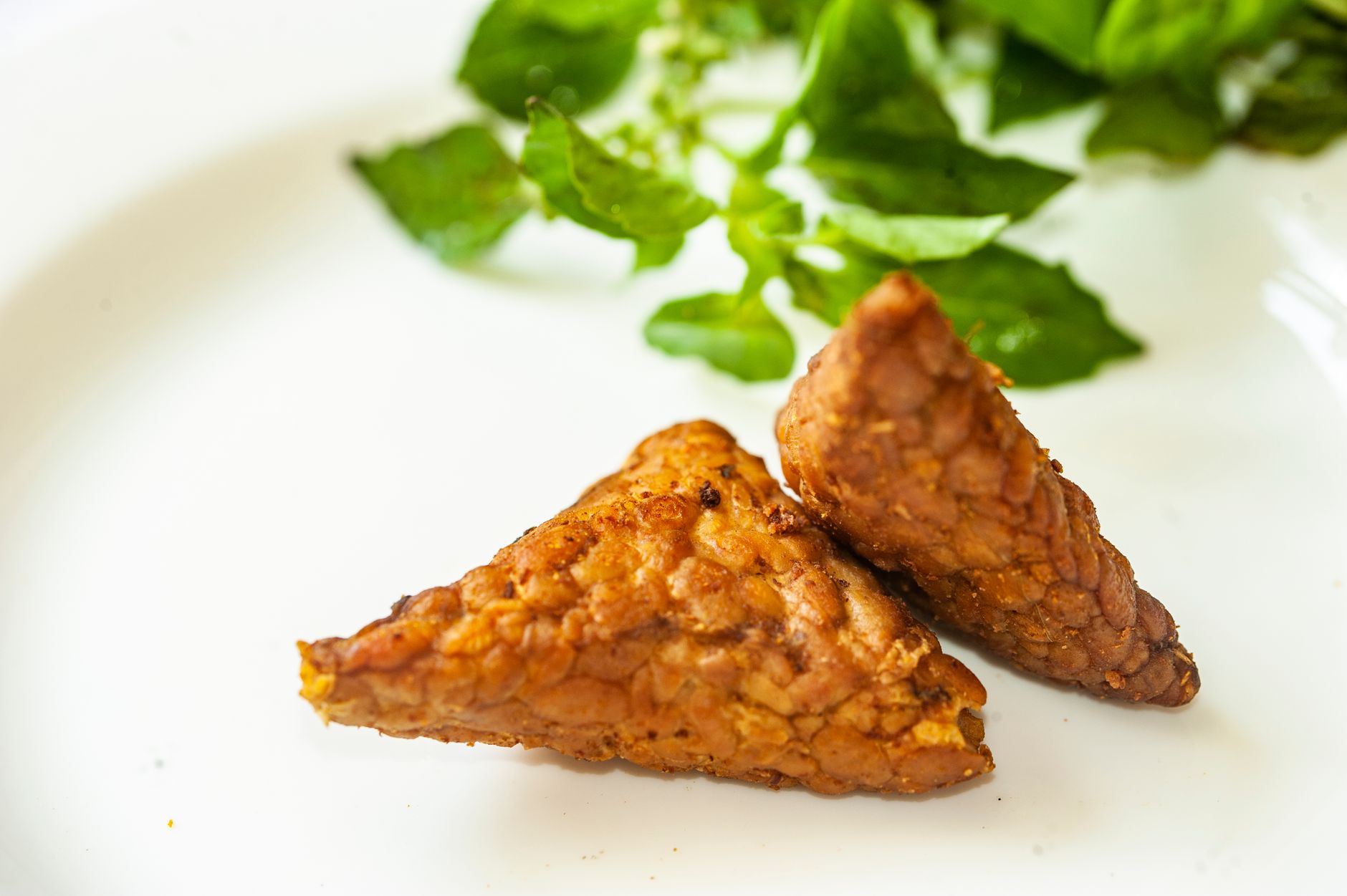
The growing demand for plant-based meat alternatives is not limited to consumers seeking a healthy lifestyle; it also includes groups concerned with halal from a religious perspective. When an entrepreneur decides to turn an idea for halal meat alternatives into a commercial venture, they face the question of financing as one of the most important challenges. In this article, I will walk you through, step by step, how to obtain Islamic financing through ijara sukuk (lease-to-own) to establish or expand a small factory for producing plant-based meat alternatives.
Why Halal Meat Alternatives?
The long list of consumers who prefer products free from pork or any non-halal ingredient provides the market with a promising investment opportunity. Compared to traditional meat, plant-based alternatives require less water and land, and produce lower greenhouse gas emissions, making them attractive to sustainability-focused entities. Combining halal with sustainability creates added value that helps differentiate the product in local and global markets.
What is Ijara Sukuk (Lease-to-Own)?
Ijara is an Islamic financial instrument that gives the holder of the sukuk the right to receive rental income from the lessee of the asset throughout the contract period. The basic idea is that the bank or financial institution purchases the asset (for example, production lines, manufacturing equipment) and then leases it to the borrower for a specified period, with an agreement to pay instalments covering the cost of the asset plus an agreed profit. At the end, the borrower either owns the asset or it is returned, depending on what was agreed.
The features that make ijara suitable for plant-based meat alternatives:
- No riba (interest), so the financing remains Sharia-compliant.
- Risks are shared between the parties; the bank bears the risk of not recovering the asset if the project fails.
- Flexibility in repayment terms allows the entrepreneur to pay instalments aligned with cash flow from product sales.
Steps to Finance the Project via Ijara Sukuk
1. Analyse the idea and determine needs – Identify essential equipment (mixers, cutting lines, drying fans) and required production capacity. Calculate the total cost of assets to determine the required financing amount.
2. Prepare an economic feasibility study – Use market data on demand for halal plant-based meat in the target area, estimate prices and growth rates. Be sure to show the break-even point and payback period.
3. Choose an Islamic financial institution – Look for banks or finance companies with experience in ijara sukuk. Official lists from shariah boards indicate their commitment to fiqh standards.
4. Submit the financing application – The file should focus on: business identity, operational plan, feasibility study, and preliminary contracts with suppliers. Do not forget to attach a halal certificate for the product if available, as this strengthens Sharia confidence.
5. Negotiate ijara terms – Set the contract duration (usually 3–5 years), monthly rent, and end-of-term ownership transfer conditions. Aim to make the rent proportionate to expected cash flow, and avoid high ratios that could overburden you.
6. Security measures – Some banks may require additional security such as property or a bank account. If you have other assets, offer them as security to reduce rent costs.
7. Receive assets and activate the project – Once the contract is signed, you receive the equipment and begin production. Be sure to document the condition of assets at the outset to avoid future disputes.
8. Monitoring and periodic reporting – As per the agreement, you will need to submit periodic financial reports to the financial institution. These reports help monitor repayments and assess project performance.
Tips to Avoid Common Mistakes
• Do not focus only on rent; consider maintenance and warranty costs. Some sukuk include free maintenance, which could save you extra amounts.
• Ensure the lease term aligns with your growth plan. If you expect to expand production after two years, choose a contract allowing extension or early settlement.
• Verify that the product meets halal standards, as any non-compliance could lose consumer trust and affect repayment ability.
• Keep a detailed record of operating expenses; this will help you submit accurate reports and avoid disputes with the financier.
Conclusion
Ijara sukuk are a flexible, Sharia-compliant financing tool that enables entrepreneurs to turn the idea of halal plant-based meat alternatives into a sustainable commercial reality. By following the practical steps outlined and applying the tips, you can secure capital suited to your project’s scale without falling into the trap of riba or unfair terms. Now, all that remains is to turn the plan into action and launch a product that meets the demand of halal-conscious consumers while adding economic and environmental value to society.