Free Budget Day: A Simple Strategy to Cut Spending and Boost Savings
Discover how setting aside one spending-free day each week can reduce expenses and turn surplus into savings easily.

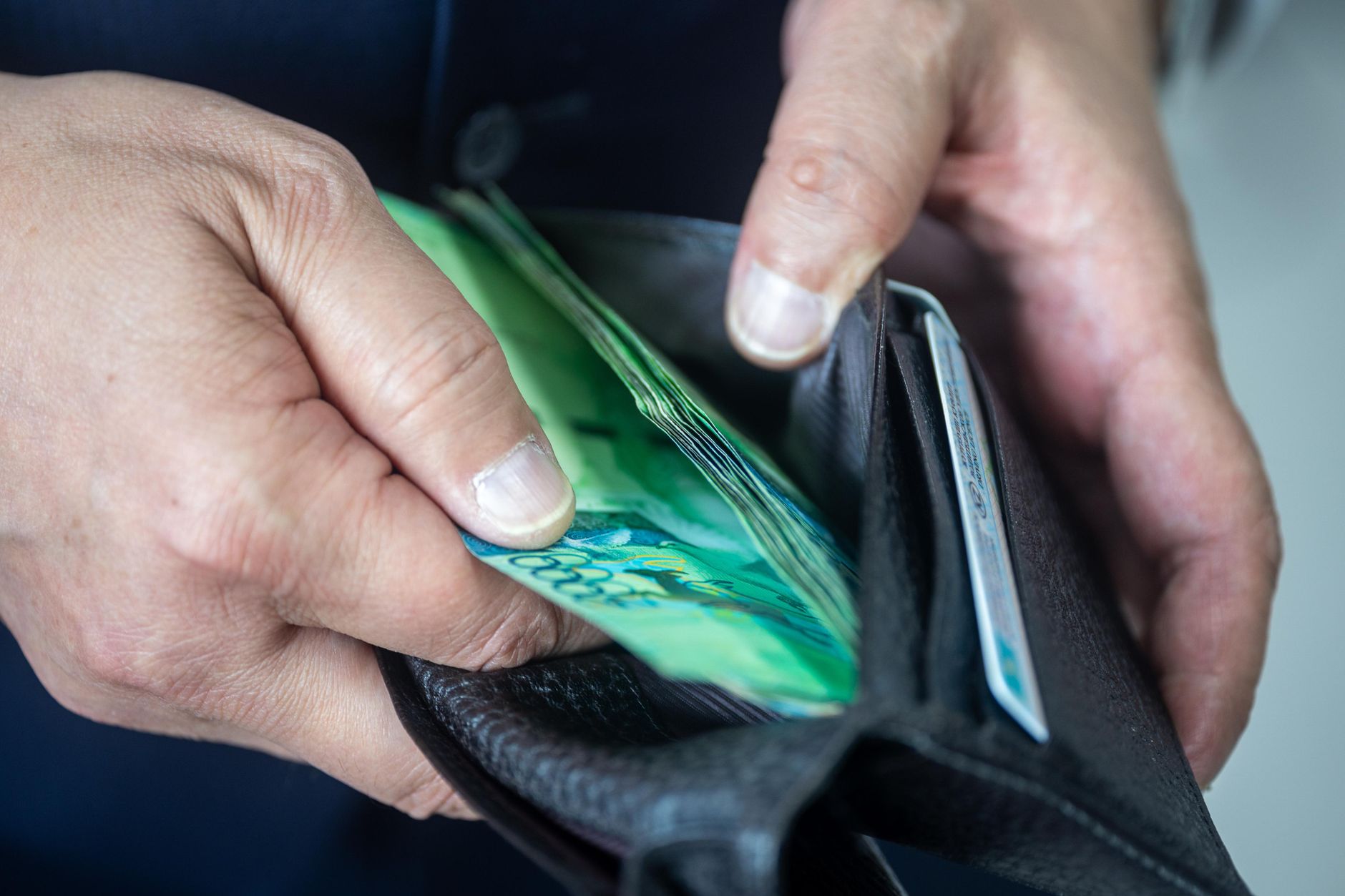
Among all the tricks people try when looking for ways to cut expenses, there is a simple idea that may seem strange at first: choose one day a week when you spend nothing. The idea is not just about observing financial silence for 24 hours; it is a way to change spending habits and give your brain a chance to reset its financial priorities.
Why does the “free day” work?
The human mind tends to habituate. When we buy coffee every morning or eat a snack midday, this behaviour becomes automatic, something we do not question. Once we stop this habit for a full day, it affects our behaviour on other days; we need to think before every purchase and become more sensitive to options that are not worth spending on.
Moreover, the free day creates a small financial space – often ranging from £5 to £20 – that can be moved into a savings pot or investment. Repeating this habit weekly turns the amount into a tangible sum over the months.
How to apply the “free day” practically?
Start with one step: choose a day that fits your schedule. It does not need to be the same day each week; you can swap it according to your activities if you feel a certain day would make you more prone to spending. After choosing the day, set clear rules:
- Do not buy anything non-essential; the bill must be zero.
- Exclude unavoidable necessary expenses such as utility bills or medicine.
- Inform your partner or friends of your decision to reduce social temptations.
Before the day begins, prepare yourself with awareness. Open your expense app on your phone, or write a simple note on paper saying: “No spending today”. If you feel inclined to buy, ask yourself two quick questions: “Do I need this now?” and “Will this affect my savings goal I am working towards?”.
Examples from daily life
Morning coffee – many people buy a café coffee each morning, adding £10‑£15 daily to expenses. On the free day, replace it with homemade coffee or tea, and you will notice the difference immediately.
Travel – if you use a taxi or tuk-tuk to get from home to work, try walking or cycling on the designated day. Not only does it save money, but it also improves health.
Snack – we often buy a sandwich or cake from the bakery to curb hunger between meals. On the free day, prepare a sandwich at home or replace it with fruit.
After the free day: turning surplus into a goal
After the day ends, calculate what you saved. It might be £8, or £15 if you have larger spending habits. Do not leave the money in your current account; instead, direct it in advance to one of the following options:
- A small emergency fund (e.g. £100).
- A savings account with interest.
- A simple investment via trading apps.
When you see your savings grow, motivation to stick to the free day increases again, turning it into a sustainable habit.
Tips to avoid common pitfalls
Check recurring bills – sometimes people forget that digital subscriptions are deducted on the same day. If you encounter unnecessary bills, cancel them or renegotiate the price.
Plan social activities – if you have plans with friends, choose activities that require no spending, such as walking in parks or watching a film at home.
Handle digital temptations – phone notifications may push you to tap shopping apps. Turn them off before starting the free day to reduce temptation.
Expected long-term results
After three months of committing to the free day, between £100 and £300 may accumulate, depending on original spending levels. Not just numbers; it is a shift in financial mindset: thinking before spending each pound becomes a habit you cannot do without. In the end, you gain more space to direct money toward bigger goals – whether buying property, funding education, or simply building a financial safety net.
The summary is that the “free budget day” requires no complex tools or heavy investments. It is merely a simple tweak to your weekly routine that opens the door to changing spending behaviour, and gradually, strengthening your ability to save.
Disclaimer: This content is for educational and informational purposes only and does not constitute financial or investment advice. Consult a professional before making any financial decision.
<<>


