How to Review Your Bank Statement Monthly and Uncover Waste to Save Money
A practical guide to auditing your bank statement each month, discovering wasted spending and turning it into savings easily.

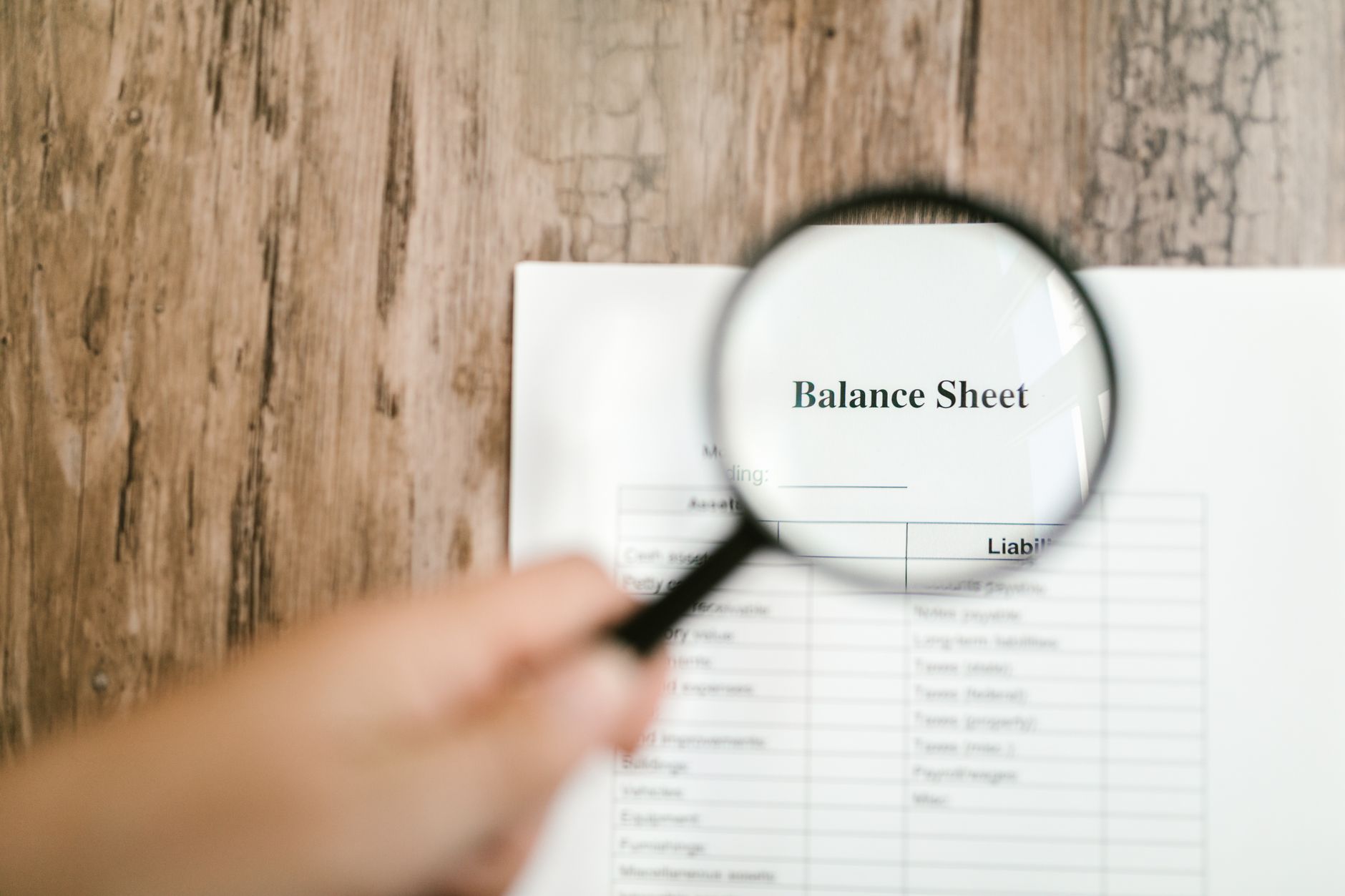
Many people track expenses using apps or spreadsheets, but few open their bank statement file and examine it closely. In reality, the bank statement is an honest mirror of all financial movements; every pound passing through it leaves a trace that can be tracked, identified and redirected. If you set aside time weekly to audit your bank statement, you will gain saving opportunities not visible in any traditional budget.
Why Review Your Bank Statement?
Recurring payments, small subscriptions, or even unnecessary service fees often remain hidden between the lines. When you read the report with a selective eye, spending patterns you do not remember emerge, and you can stop or adjust these requirements. The idea is simple: every pound not spent consciously is a pound spent without benefit.
Practical Steps to Audit Your Bank Statement
- Gather all data: Download the PDF or CSV file of the monthly statement directly from the bank’s website. Do not rely on the smart app if it omits details; the full file ensures no transaction is missed.
- Categorise expenses: Open an Excel sheet or Google Sheets, and create columns for type (groceries, bills, entertainment, subscriptions…). Use the filter function to group similar purchases.
- Identify recurring differences: Look for icons or brand names appearing more than once, especially if their value is small (for example £2–£5). These expenses are often called “unknown payments” and are usually trial subscriptions or administrative fees.
- Compare prices: For each category, check whether a cheaper alternative exists. Example: if you find several internet payments each month, try reviewing available offers or switching to another provider.
- Delete or stop what you do not need: Contact service providers to cancel unused subscriptions. Cancellation is often simple via phone or email and takes no more than a few minutes.
- Record the surplus: After reducing or cutting expenses, calculate the remaining amount. Put this surplus into a separate savings account or invest it directly.
Real-World Examples Revealing Waste
Mohammed, a software engineer, thought his budget was under control. When he checked his bank statement, he discovered that £7 was deducted weekly from his credit card for an educational app he did not activate. Over a month, this amounted to £28 lost, equivalent to the cost of a full month’s subscription to training courses.
In Sara’s case, who runs a small business, there was a fixed monthly fee of £15 deducted from her bank account named “cloud service”. After contacting the provider, she found the service had not been used since the project began; the subscription was cancelled and £180 was recovered over the year.
How to Turn Surplus into Sustainable Savings
The final step after uncovering surplus is to convert it into saving habits. Do not leave the money in your current account; give it a clear purpose:
- Create a dedicated savings account for goals (for example “summer holiday” or “emergency fund”).
- Set up an automatic transfer of the surplus amount each month; if the surplus ranges between £30–£50, this saving becomes automatic without needing reminders.
- If you prefer investing, direct the surplus into low-fee investment funds or higher-interest savings accounts.
This way, money is no longer just a number on the bank statement; it becomes a tool enabling you to achieve your financial goals.
Tips for Maintaining Discipline After the Initial Audit
Auditing your bank statement is not a one-off task, but an ongoing process:
- Allocate a fixed time each month – for example Sunday after breakfast – to repeat the steps.
- Enlist a friend or life partner to review your statement together; a second view may catch what you missed.
- Use bank alerts to track any unusual fees as soon as they occur, and be ready to call immediately.
- Keep a backup of your spreadsheets; data loss could disrupt the auditing process.
Over time, auditing your bank statement will become a natural habit, like checking your car before a long journey; do not wait for a problem to arise before discovering it.
The key is simplicity and regularity. The more you shine a light on your account, the more you will find opportunities to reduce spending and turn surplus into steady savings that support your financial ambitions.


