Practical Guide to Checking Your Bank Statement and Spotting Errors Before They Affect Your Budget
Clear steps to review your bank statement, catch errors early, and avoid unauthorised withdrawals or hidden fees.

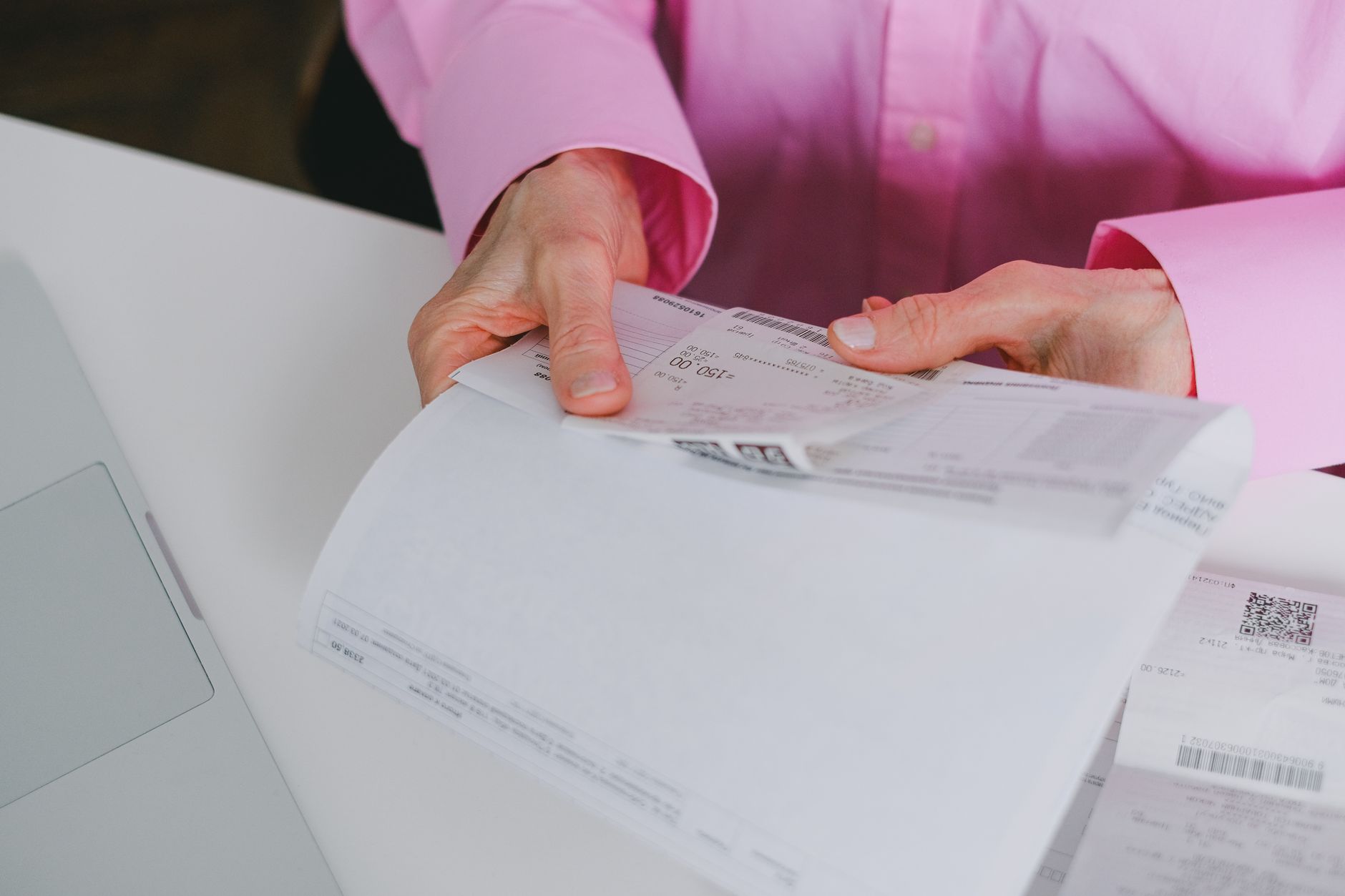
When you look at your bank statement, many of us just glance at the numbers quickly and assume everything is fine. But the reality is that errors or unauthorised withdrawals can hide between the lines, especially if you do not have a clear routine for review. The following article gives you a practical method, almost like checking your account every month, so you can spot any problem before it turns into a bill you cannot pay.
1. Set a Fixed Time for Review
The first simple step makes the process a regular habit: set aside 15‑20 minutes in the last week of each month. Try to be away from daily pressures, because concentration is important when comparing income and expenditure. If you have two accounts (a current account and a savings account) or linked credit cards, review them together to avoid overlap.
2. Export the Data to a Spreadsheet
The digital version of the statement is often in PDF format or via the app. Download it to your device, then import it into Excel or Google Sheets. Converting the data into a table lets you sort columns by date or amount, and apply filters quickly. If you are not comfortable with software, using free tools such as PDF to Excel is enough.
3. Focus on Three Main Categories
- Salaries and expected payments: Make sure every salary or expected transfer arrived on the correct date and for the correct amount. Any shortfall or delay means the bank made a mistake or your employer did not send the money.
- Direct debits and subscriptions: Check any automatic withdrawals such as utility bills or subscriptions. Compare them with the actual bills and ensure they do not exceed what was agreed.
- Bank charges: Look for any maintenance fees, cash withdrawals, or currency conversion fees. Some may be hidden in a small line; read the description carefully.
4. Use a Formula to Check for Unjustified Duplication
Sometimes the bank or a third party adds a duplicate transaction by mistake. Put a formula in the spreadsheet that looks for repeated values in the amount column with a close date (for example, within three days). If you see identical rows, check them to see if one transaction was recorded twice.
5. Watch for Differences Between Description and Reality
The description written on the bank statement is sometimes very brief, such as “Shop A” or “Electronic payment”. If you are unsure about any transaction, look in your email or in the shopping apps you use. An unknown transaction could mean fraudulent withdrawal.
6. Calculate the Remaining Balance Manually
After you finish the digital check, try calculating the balance yourself. Start with the previous month’s balance, add income, then subtract expenditure. The result should match the final balance shown on the bank statement. Even a difference of a few pounds indicates an error you need to address with the bank.
7. Use Spending Monitoring Apps
There are Arab and global apps that help you categorise expenses automatically, such as “Mirsfi” or “Mint”. Linking them to your account adds an extra layer of security: if an unfamiliar transaction is recorded, the app sends an instant alert. But do not forget to review the alerts manually; technology does not replace your personal check.
8. What to Do If You Find an Error?
Do not hesitate to contact customer service immediately. Have your statement number, the date, and the amount of the disputed transaction ready. Ask for a written explanation, and request correction if the error is the bank’s fault. If it is an unauthorised withdrawal, file a formal complaint and follow the bank’s procedures to freeze the card if necessary.
9. Document Every Step
Keep copies of emails, support chats, or any document proving that the error was reported. These documents help if you need to raise a claim or recover money, and show your seriousness in monitoring the account.
10. Make the Check a Monthly Habit
Over time, the check will become easier and quicker. You will learn your spending pattern and be able to spot any anomaly immediately. The benefit is not just in finding errors, but in boosting your financial awareness and improving your spending behaviour.
Conclusion: Checking your bank statement is not a burdensome task, but a simple investment in your financial security. By applying the steps mentioned, you will reduce risks and ensure that every pound leaving your account has a clear and justified reason.


