How to Save Money by Combining Your Daily Activities: A Practical Guide to Reducing Expenses
Discover how combining daily activities can reduce fuel, time, and expenses. Practical steps and real-life examples to save money without sacrificing comfort.

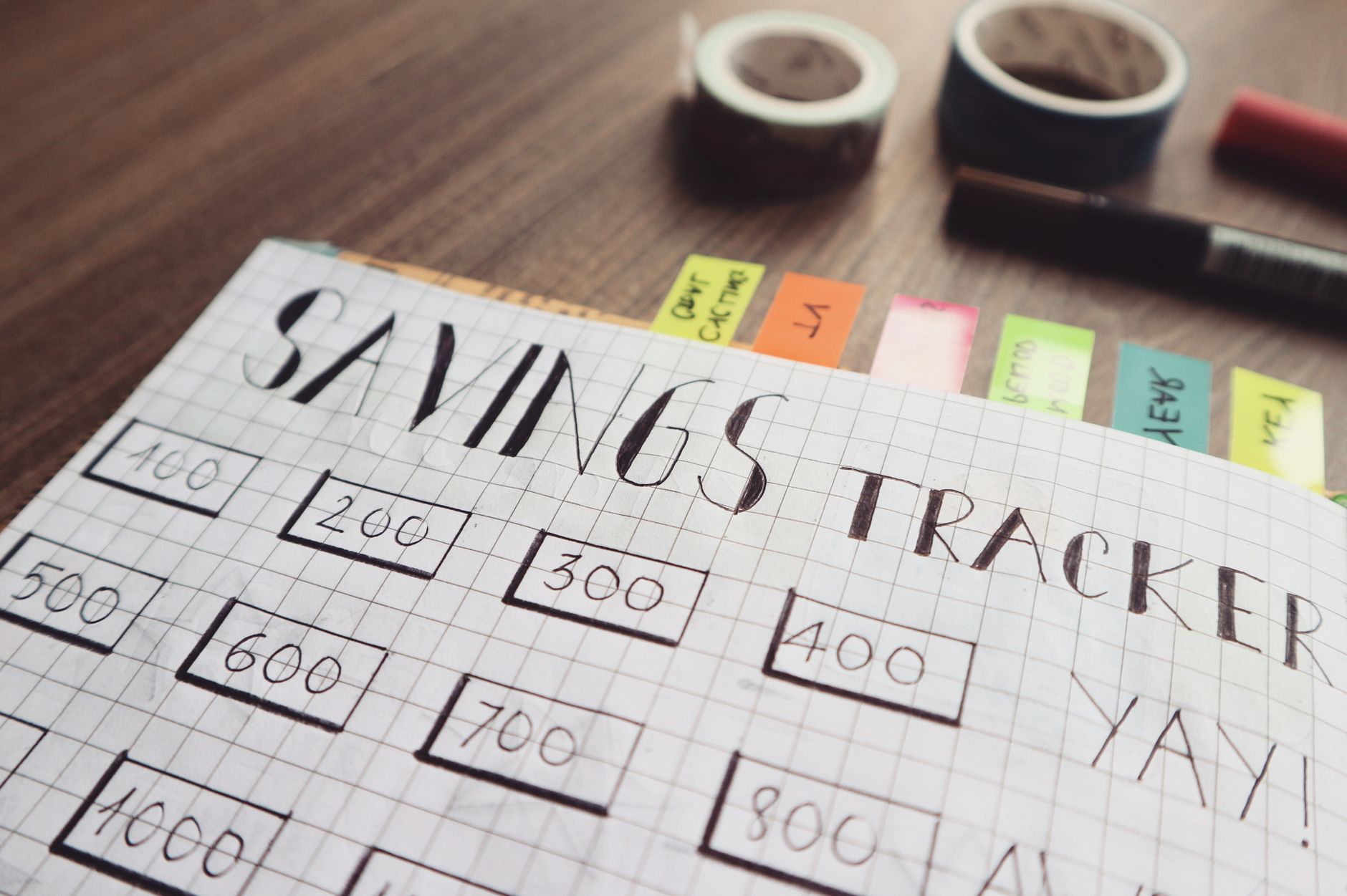
How often do you find yourself repeatedly crossing the road to the shop, then to the pharmacy, then to work in the same day? Each time you repeat the same journey, fuel consumption increases and small expenses accumulate that go unnoticed until the end of the month. The idea is simple: instead of doing each activity separately, try combining them. What becomes a single trip eases the burden on your wallet and cuts down on wasted time in traffic.
Why Combining Activities Works
Combining activities is not just about reducing fuel costs. It also reduces opportunities for impulsive spending, because the clearer your goal (for example: “I’ll buy milk and medicine on the same trip”), the less likely you are to fall for unplanned shop temptations. Additionally, it reduces the number of times you start your car or move yourself, meaning lower energy consumption, which directly reflects on your bill.
Practical Steps to Apply Activity Combining
- Draw a small map of your time. Take a notebook or a simple app and write down everything you need to do during the week. Don’t get lost in details; just note the place and approximate time.
- Identify nearby areas. If the supermarket, pharmacy, and work café are in the same neighbourhood, try to combine them into one trip. Even if one is 5 kilometres away, combining remains cheaper than three separate trips.
- Set priorities. Start with essential activities (bills, medicines) then add secondary ones (shopping for clothes or gifts). This way you avoid adding unplanned items mid-journey.
- Use reminder tools. Set phone alerts before your trip to ensure you bring all needed shopping lists or documents.
- Evaluate the result. After two weeks, calculate the distance travelled, fuel consumed, and any unexpected bills. You’ll see the difference clearly.
Examples from Daily Life
1️⃣ Morning routine: If you usually go to a café for coffee in the morning then to the office, try buying coffee from the shop near your home and use the remaining time to walk to the office. This way, you save on fuel and reduce coffee costs that could add £2–£3 each day.
2️⃣ Pharmacy visit: Often we go to the pharmacy after work just to buy medicine or toiletries. If there’s a supermarket on the same street, make sure to buy household items you need during the same visit. Conversely, if you need medicine only sold at the pharmacy, combine it with a grocery trip to reduce car use.
3️⃣ Family activities: On weekends, you might plan to visit a relative then go to a public park. Instead of going to a friend, then to a relative’s house, then to the park, plan a route that passes all destinations without returning home. You’ll save time and fuel.
4️⃣ Online shopping: If you must go to a shopping centre to buy an electronic device, use the opportunity to combine other purchases (clothes, household items) on the same day. Some retailers offer delivery discounts if you exceed a certain spend threshold, which adds extra savings.
How to Avoid Common Mistakes
You might be tempted to combine everything into one trip, but there are limits to consider. Don’t overload your car beyond its capacity, as that could increase fuel consumption and disrupt your route. Also, avoid wasting time waiting in crowded shops; choosing off-peak times ensures you complete tasks quickly.
One common mistake is adding unnecessary activities just because an opportunity to combine arises. If you find yourself planning to buy something unnecessary just because it’s nearby, you may have fallen into the impulse spending trap. So, stick to your pre-prepared list and don’t let shops convince you with a “just now” offer.
Expected Outcome
After applying this strategy for a month, you’ll see several positive indicators:
- Reduction in average monthly fuel consumption by 10‑15%.
- Decrease in daily shop bills by around 5‑7%, due to reduced impulsive spending.
- Noticeable improvement in time organisation, freeing up extra time for personal or family activities.
The key is to keep reviewing your plan weekly and adjusting it to your needs. Don’t expect the plan to be perfect from the start; rather, be flexible enough to adapt to schedule changes.
In Conclusion
Combining daily activities is not just a smart idea to cut bills; it’s a lifestyle that builds discipline and ensures every pound spent is well placed. Start with a small step, like combining your breakfast trip to work with buying milk, and you’ll see how this simple change turns into a chain of savings that make a noticeable difference over time.


