Weekend Getaway: A Personal Accounting Guide to Track Every Penny
A practical way to calculate the cost of a weekend trip and record it in your personal accounts to avoid financial surprises.

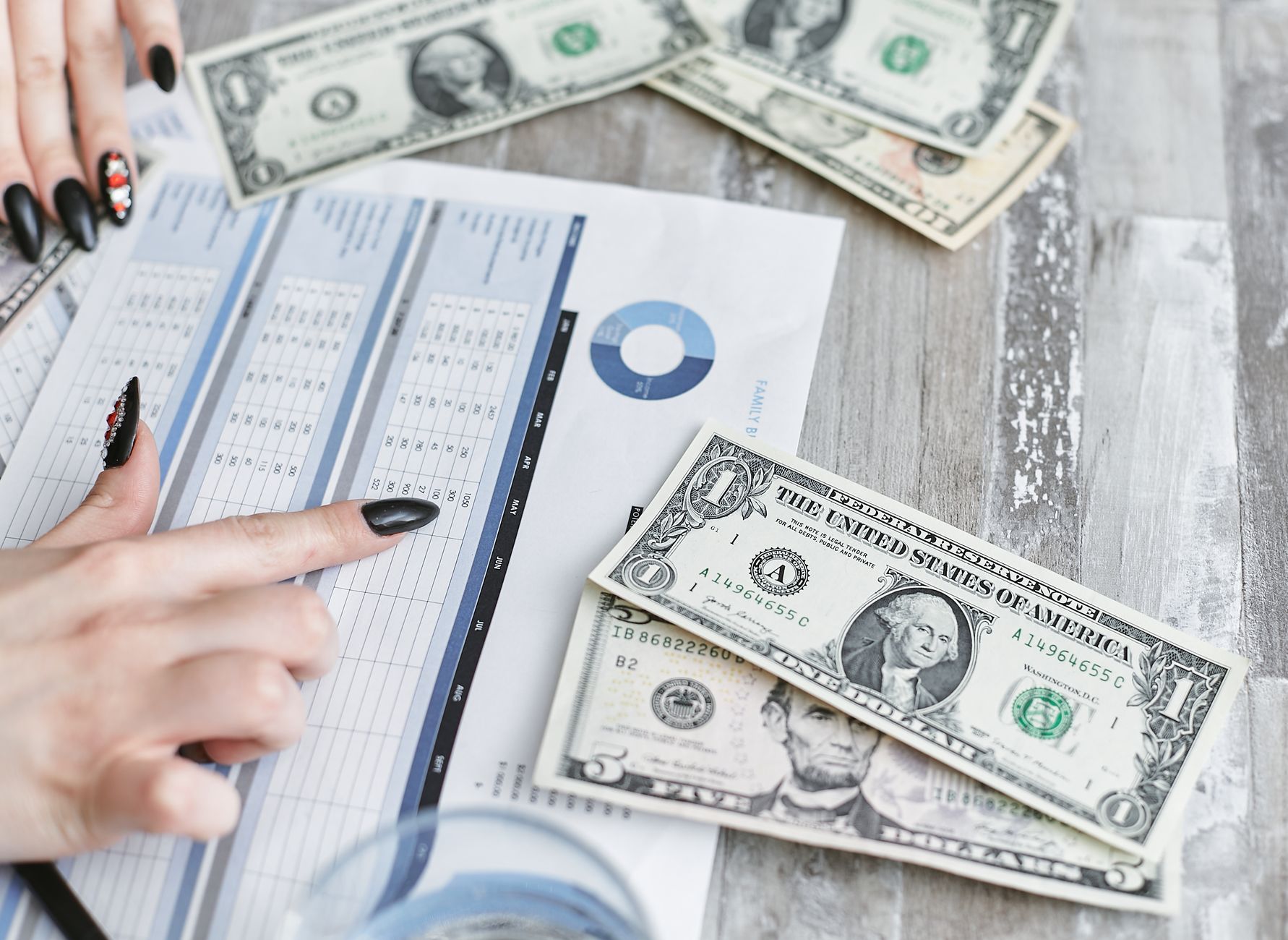
Whenever you plan a weekend getaway – whether it’s a summer beach trip or a cultural tour within the city – excitement builds and questions about cost creep in. Many of us forget that some expenses remain uncalculated even after returning home, and this is what can suddenly overturn the month’s budget.
Start by Creating a Dedicated Trip Record
Before you book anything, open a simple spreadsheet in Google Sheets or use a free accounting app like Money Manager. Reserve two main columns: Expense and Expected Amount. Don’t stop at booking alone – add items such as fuel, food, metro ticket or fuel, and even small gifts you might buy along the way.
Expectations Versus Reality List
When setting expectations, base them on average prices you know from past trips or booking sites. For example: if fuel costs 1.8 riyal per litre, calculate the litres needed for the trip (distance × vehicle fuel consumption). If you’re staying overnight in a hotel, check room prices on a booking site to determine an average rate.
After returning, record the actual expenses. Leave no income unaccounted for – even small bills from coffee or parking fees. Comparing the two columns reveals discrepancies and helps you adjust your expectations for future trips.
Intermittent Expenses: How to Integrate Them into Daily Accounts
Some expenses don’t appear immediately in your bank account, such as hotel internet service fees or costs of leisure activities paid in cash. Use the “immediate deduction” method: whenever you pay cash, add the amount to your accounting table as an immediate withdrawal, then classify it (leisure, food, transport).
If you use an expense-tracking app, link it directly to your spreadsheet via weekly CSV export. This way, you avoid manual data entry and reduce errors.
Return Analysis: Is the Trip Worth the Money?
The goal of accounting isn’t to cut back on enjoyment, but to understand whether the experience adds real value. Calculate total expenses and compare them with total benefits you gained – whether peace of mind, renewed energy, or cherished memories.
For evaluation, use a simple scale: happiness points per riyal. If you rated your trip 8 happiness points out of 10, and it cost 500 riyal, the ratio is 0.016 points per riyal. If another trip costs 800 riyal and gives you 6 happiness points, the ratio is 0.0075 points per riyal – showing the first is more effective in terms of return.
Apps That Help You Track Every Penny
Several free tools make recording trip expenses easier:
- Splitwise – lets you share expenses with friends and work out who pays what.
- Mint – links to your bank account and automatically categorises expenses.
- Google Keep with a simple table template for logging receipts.
Choose what suits your style, and don’t forget to update the record immediately after each payment.
Practical Steps to Apply What You’ve Learned on Your Next Trip
1. Set a maximum budget for the trip before booking. Make it a percentage of your monthly income (e.g. 10%).
2. Create a comprehensive spreadsheet with sections: transport, accommodation, food, activities, emergencies.
3. Gather approximate prices from reliable sources.
4. Record every payment as it happens, even if it’s cash.
5. Compare after the trip between expectations and actuals, and adjust your standards for next time.
6. Calculate the psychological return on your own scale to see if the trip was worth the spend.
By following these steps, you’ll find that accounting for short trips doesn’t need complex formulas or costly software. Just a simple table and regular logging give you financial clarity, letting you plan enjoyment without nasty surprises in your bank statement.
Conclusion
Personal accounting for trips is about combining advance planning with immediate review. When you track every penny, you keep your budget balanced and enjoy travel with less financial strain. Start today with a small project – perhaps a trip to a nearby town – and test the system. You’ll notice the difference in the bills, and in your sense of financial ease.
Disclaimer: This content is for educational and informational purposes only and does not constitute financial or investment advice. Consult a professional before making any financial decision.


