Bill Payment Timing: The Secret to Saving Money and Boosting Liquidity
Discover how timing your bill payments can improve your cash flow, reduce interest and fees, and help you save more while staying in control of your budget.

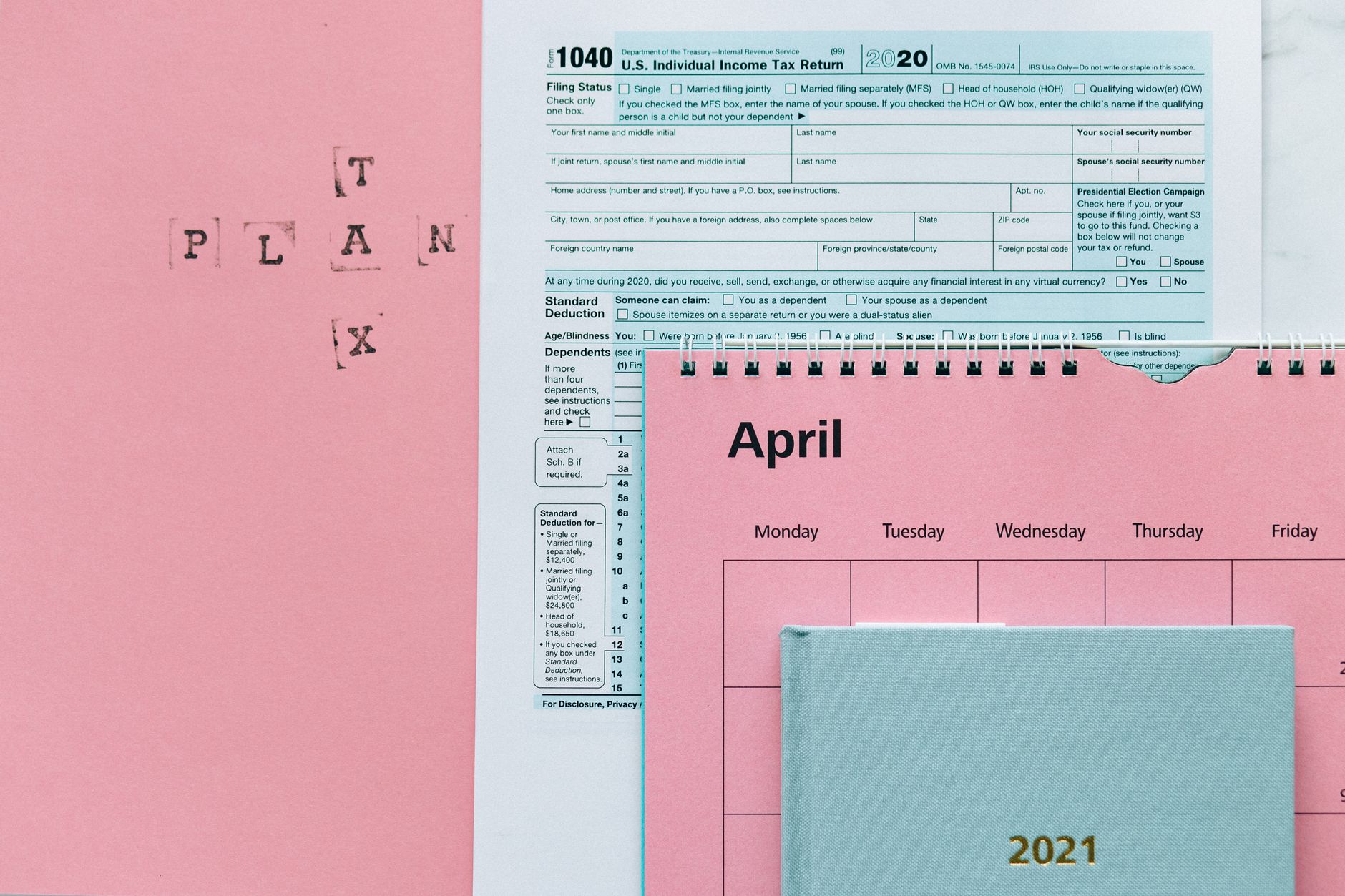
We all know that paying bills on time avoids penalties, but few people consider when exactly to pay a bill to get the maximum financial benefit. The idea is simple: if you choose the timing of payment wisely, you can take advantage of interest-free periods, avoid fees, and free up cash that would otherwise sit idle.
Why does payment timing matter?
Most credit cards offer an interest-free period of up to 25 days between the statement date and the due date. If you pay the bill on the last day of this period, the full amount remains in your actual account for those weeks, giving you greater ability to invest surplus cash or cover unexpected expenses.
The same principle applies to regular bills such as electricity or internet. Some providers add extra charges if payment is made after the due date, or even if paid on the first day of the following month. Knowing the difference between the billing date and the due date can save you between 2 and 5 SAR per bill, which adds up over the year.
Practical steps to implement effective payment timing
1. Gather bill information. Create a simple table or use a notes app to list each bill: company name, billing date, due date, and amount. You don’t need complex details—just two dates are enough.
2. Identify the interest-free period. For credit cards, check the statement date and the due date. The gap between them is the “grace period”. Note it in your calendar.
3. Set a reminder 2‑3 days before the due date. Don’t wait until the last minute to check if you have sufficient funds. An early reminder lets you move money or request an extension if you face a temporary shortfall.
4. Use instant transfers. If you have a savings account earning a higher interest rate than the interest you might pay on your card, transfer the surplus to your current account just before the due date, then move it back to the savings account when payment is due.
5. Use staggered payments. Some companies accept weekly or semi‑monthly instalments. If you can split the amount into smaller payments, you’ll keep a higher balance in your account and reduce the need for external borrowing.
6. Negotiate due dates. With subscription‑based providers (such as internet or cloud services), you can request a change to the billing date to align with your payday. Customer service teams are often willing to adjust the date when asked.
7. Watch for hidden fees. Some banks charge fees for online transactions made after the due date, or for instant transfers if they exceed a certain number per month. Check your terms and ask to have fees waived if possible.
Real‑life story: How an engineer saved 1,500 SAR in one year
Fahad, a young engineer working for a private company, used to pay his bills on the first day of each month. After reviewing his bank statement, he noticed his credit card gave him a 24‑day grace period, but he was paying the bill two weeks early. He changed his habit: he waited until the last day of the grace period, then paid the bill. During the first year of applying this, Fahad kept an average balance of 2,000 SAR in his current account, which earned him about 120 SAR in interest from his savings account, plus he avoided 250 SAR in late fees. The total: over 370 SAR saved financially, with no noticeable change to his lifestyle.
Tips to avoid common mistakes
- Do not confuse the billing date with the due date; the bill appears in your account on the first day of the month, but the due date comes weeks later.
- Make sure you have sufficient funds available on the payment date, because interest on late payment may exceed the interest you earn on your account.
- Do not rely on memory alone; use your phone calendar or bank alert settings to remind you of due dates.
By applying these steps, you’ll achieve higher liquidity, cut unnecessary fees, and benefit from the interest‑free periods offered by banks and service providers. You don’t need radical changes—just a simple timing adjustment that can become a tangible source of savings.
Conclusion
Timing your bill payments is not just about meeting deadlines; it’s a planning tool that helps you improve cash flow and save money without extra effort. Make use of interest‑free periods, monitor fees, and put in place an organised payment system, and you’ll see the difference in your monthly balance and your ability to reach financial goals.


