How to Make Solar and Wind Energy a Core Part of Your Retirement Fund
A practical guide on how to invest in renewable energy projects to secure a stable and safe income after retirement.

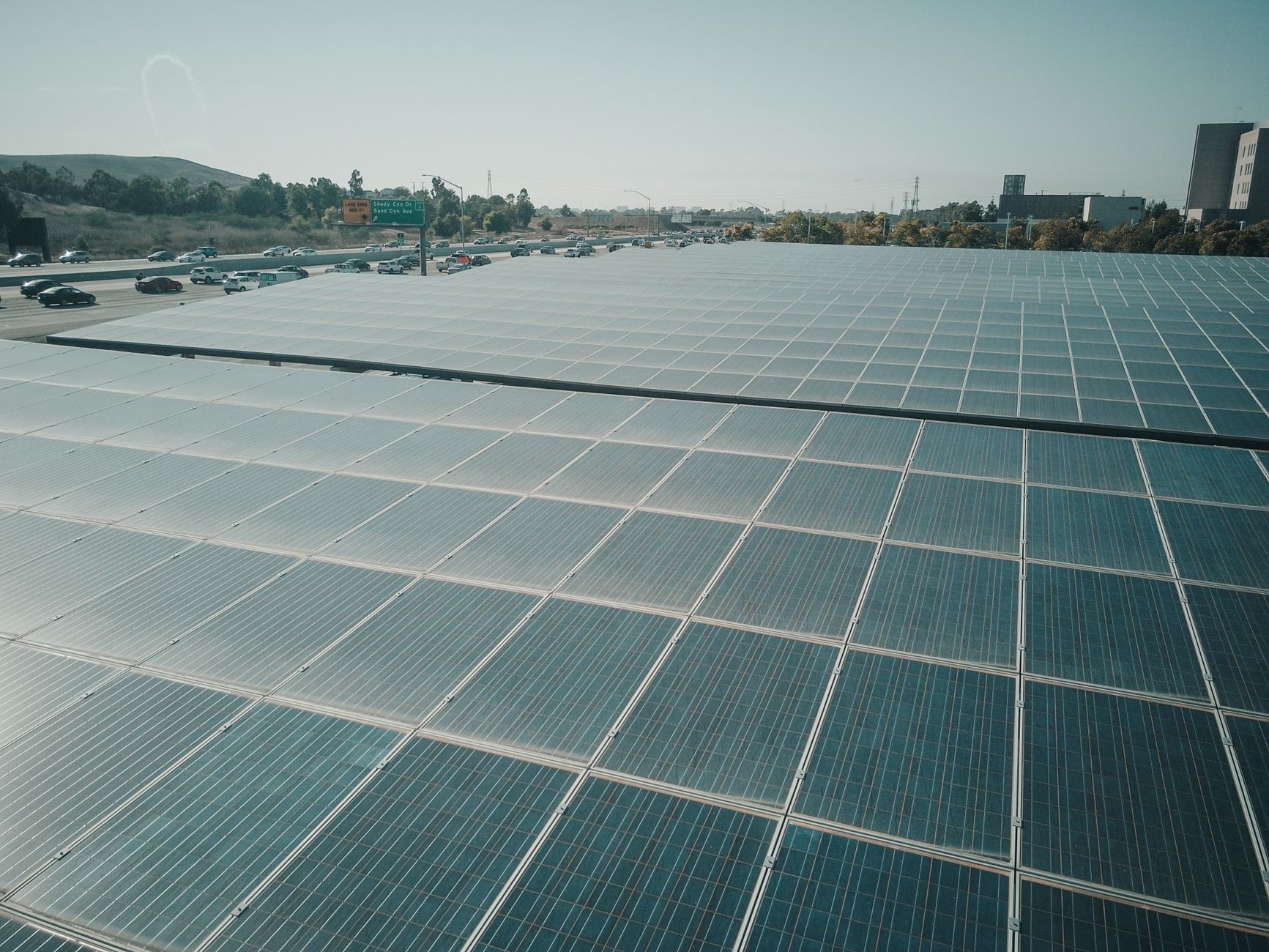
After many years of work, most of us look for a steady income that does not fluctuate with market swings. One growing trend in recent years is integrating renewable energy projects – such as solar and wind – into a retirement portfolio. The idea is not just is not merely an environmental fad, but a real opportunity to generate a continuous cash flow with lower risk than some traditional assets.
Why renewable energy?
First, power purchase agreements (PPAs) negotiated between project developers and electricity companies typically last 15‑20 years and guarantee fixed income. Second, governments in many countries offer tax incentives and exemptions on profits from green projects, boosting net returns. Third, the cost of building a solar plant or wind turbine has fallen significantly over the past two decades, making entry into this sector easier and less expensive.
Practical ways to invest in renewable energy
Not every investor can afford to buy an entire solar plant. However, there are several routes a retiree can choose based on their desired level of involvement and risk tolerance.
- Specialised green energy REITs: Funds such as Global Green Energy REIT buy and operate solar and wind plants and distribute profits to shareholders regularly. Investors receive a dividend yield typically ranging from 5‑7% per year, with possible minor fluctuations in share price.
- Green bonds: Governments and energy companies issue bonds aimed at financing sustainable projects. These bonds carry a fixed return and are often rated highly by credit agencies, making them suitable for retirees seeking stability.
- Crowdfunding via investment platforms: Platforms like Greencrowd allow buying small stakes in local solar projects. Investors contribute a modest amount (for example, £5,000‑£10,000) and receive a share of project revenues after costs.
- Direct purchase of small projects: If you have experience or wish to manage a simple project, you can buy a plot of land and install solar panels on the roof or nearby, then sell the generated electricity to the utility company.
Steps to set up a renewable energy investment plan within your retirement fund
1. Determine your risk level: As a retiree, it is preferable that volatile‑return assets do not exceed 15‑20% of the total fund. Renewable energy is classified as a medium‑risk asset.
2. Calculate net return: Work out the return after deducting taxes, maintenance costs, and management fees. For example: if a fund returns 6% before tax, and after deducting 15% income tax the net return is about 5.1%.
3. Choose suitable instruments: If you have little financial experience, start with REITs or green bonds, as they require minimal active management. If you manage your own assets, consider crowdfunding for hands‑on exposure without needing large capital.
4. Set the investment horizon: Most renewable energy contracts do not end before 15 years. Therefore, ensure you have sufficient liquidity elsewhere in the fund to meet daily needs.
5. Conduct regular reviews: Assess performance once or twice a year, and do not hesitate to adjust the allocation if you notice unexpected volatility or if tax incentives increase.
Reducing risk through diversification of green assets
As with any portfolio, do not put all your eggs in one basket. Combining REITs, green bonds, and crowdfunding offers a mix of higher liquidity (REITs), stability (bonds), and potential for higher returns (crowdfunding). Likewise, spreading projects across different geographic locations reduces the impact of downtime at any single site due to unexpected weather conditions.
Real‑world examples from the Arab region
In Saudi Arabia, ACWA Power launched a 300‑megawatt solar project, allowing individual investors to buy shares via Nasdaq Dubai. The dividend paid to shareholders in the first year was 6.2%, with expectations of continuation throughout the contract term.
In the UAE, the first government green bond worth 1 billion dirhams was issued to fund rooftop solar stations. Investors who bought the bonds received a fixed annual return of 4.5%, with tax exemption on interest.
Final tips for the retiree considering renewable energy
• Do not rush: start with a small amount via a crowdfunding platform to evaluate performance before scaling up.
• Monitor legislation: many countries add new incentives or change tax policies, which can raise or lower actual returns.
• Seek advice: even if your investment is modest, consulting a financial adviser with expertise in green projects can help avoid costly mistakes.
• Maintain fund liquidity: keep a large portion of the fund in liquid assets (such as savings accounts or short‑term bonds) to cover unexpected expenses, and avoid putting everything into long‑term projects.
In conclusion, renewable energy is not merely an environmental choice, but a financial tool that bridges the need for steady income and the desire to grow capital. By following the practical steps outlined, you can integrate this sector into your retirement fund and enjoy financial security that extends for decades to come.