How to Get an Interest-Free Loan to Fund Your Mosque Renovation
A practical guide to obtaining an interest-free loan from an Islamic bank to renovate your mosque or build a shelter hall, step by step, with no profit involved.

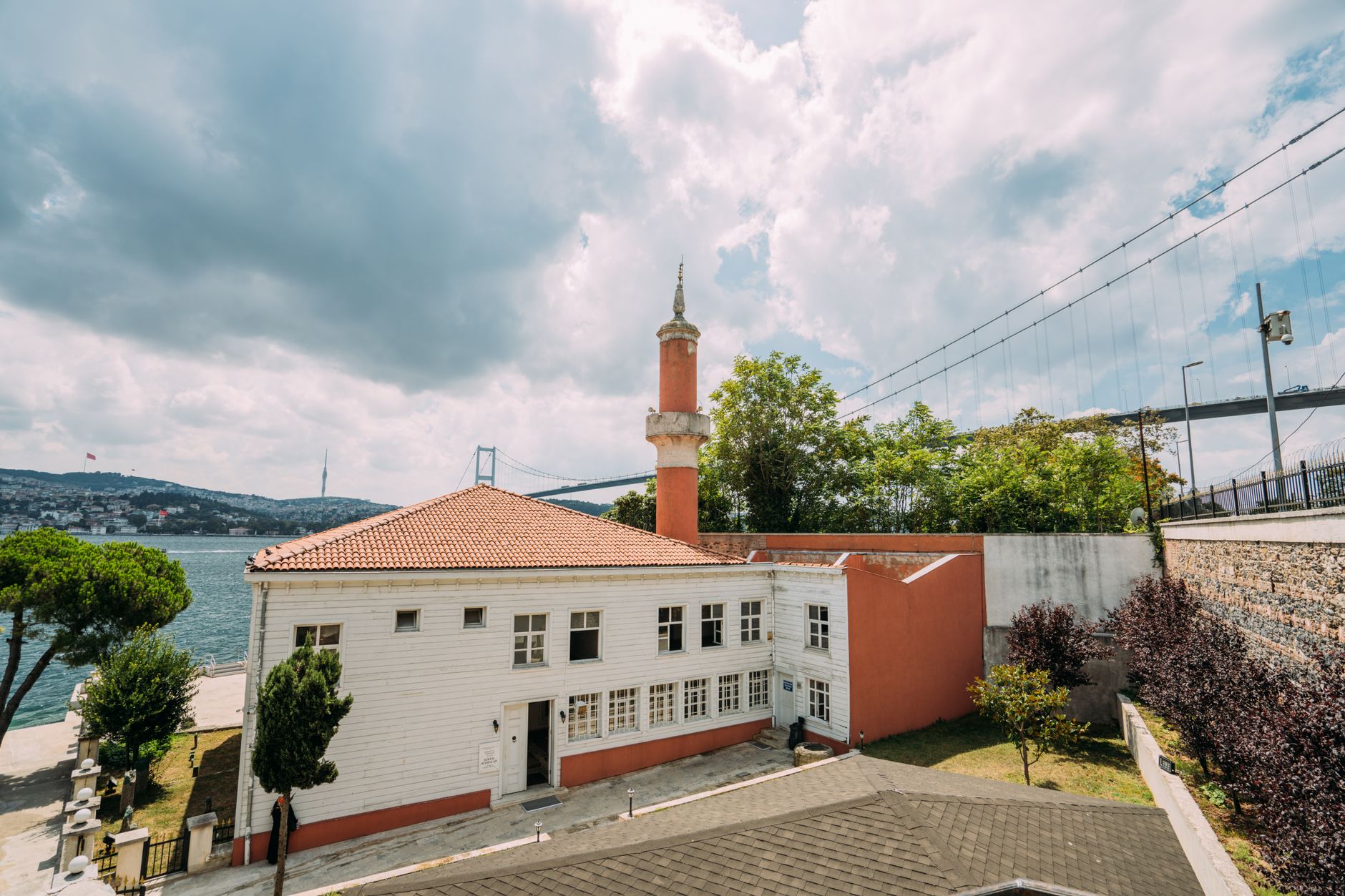
Many charitable associations and mosques face maintenance or expansion costs that cannot be covered by daily donations. When discussing financing for these projects, the option of an interest-free loan stands out as a benefit-free alternative, compliant with Sharia, giving the association a quick opportunity to complete its work.
What is an interest-free loan and why is it preferred?
An interest-free loan is an advance given by the lender to the borrower with the intention that only the original amount is repaid, without any interest or profit. In Islamic jurisprudence, this loan is viewed as a commendable act, because the lender helps a person in need and contributes to enriching the community. Islamic banks, along with some private funds, offer this type of loan within certain limits, usually for projects with a social or charitable nature.
Step one: Assess the need and set the budget
Before approaching the bank, it is necessary to gather all data related to the project. For example: a mosque in a medium-sized neighbourhood wishes to renew its roof and prepare a hall for congregational prayers. After consulting an engineer, the total cost is determined at 250,000 riyals. This amount is what will be requested as an interest-free loan.
General conditions required by banks
Every financial institution has some basic requirements, including:
- Legal entity: often it is required that the mosque be registered as a non-profit association.
- Clean financial record: showing that the association has a history of adhering to expenses and receiving steady donations.
- Clear business plan: explaining how the loan will be used, the implementation schedule, and sources of repayment if there are income from activities (such as hall rental).
These requirements do not differ greatly from those for a murabaha financing request, but they reduce the burden of interest that could add complexity.
Choosing the right bank
Not every Islamic bank offers interest-free loans. Among the banks widely known in the Kingdom of Saudi Arabia, we find Al Rajhi Bank, Saudi French Bank, and the Islamic Bank of Britain (in Gulf countries). It is advised to compare policies on the minimum loan amount, available repayment period, and collateral requirements.
Preparing the interest-free loan application file
The application file consists of a set of documents:
- A project explanation letter outlining the goals, community benefit, and economic feasibility.
- A detailed business plan including a detailed budget, timeline, and potential income sources.
- Documents proving the association’s identity (associations register, basic statute).
- A financial report for the last few years, even if limited.
- CVs of executive board members, to demonstrate the ability to manage the project.
It is preferable that the documents be translated into English if the bank operates in another language, along with attaching supporting evidence.
How the bank evaluates the application
Upon receiving the application, the bank conducts a technical review that includes:
- Assessing repayment capacity: if the mosque has a steady income from donations or hall rental, this is counted as a guarantee.
- Risk assessment: the bank determines whether the project carries high risk (for example, new construction in an unstable area).
- Sharia review: a committee of scholars confirms that the loan complies with Sharia and contains no interest-based clauses.
In most cases, if the project is social and endorsed by a regional or local council of elders, approval is expedited.
Repayment terms
The interest-free loan is repaid in the original amount only, and flexibility is often given in the repayment period, ranging from 3 to 7 years. The mosque can agree on monthly or quarterly repayments according to available cash flow. In some cases, early repayment is allowed without penalty.
Real-world examples
In Jeddah, the renovation of the ‘Al-Sharq’ Mosque was financed with 180,000 riyals through an interest-free loan provided by Al Rajhi Bank. The project took 10 months, and the loan was repaid over 5 years from income generated by hiring the hall for community events. In Riyadh, the ‘Noor’ Association obtained an interest-free loan to expand the mosque to include an Islamic library, and used part of the income from book sales to finance repayment.
After obtaining the loan
After signing the contract, the association is required to prepare periodic reports showing the progress of the project and use of funds. These reports are sent to the bank and the Sharia committee to confirm that no deviation from the original plan has occurred.
Tips to avoid problems
1. Do not overlook including all costs in the budget, including expected maintenance expenses after completion. 2. Put in place a contingency plan for repaying the loan if income declines, such as requesting emergency donations. 3. Ensure a clear contract is signed stating that the loan carries no interest and that no party may alter the terms after disbursement.
In short, the interest-free loan offers a realistic solution for religious organisations needing quick financing without encountering profit that violates Sharia rules. If the steps outlined are followed, the mosque or any other charitable building will find the path to modernisation and sustainability.