How to Use Smart Contracts to Build a Safe and Transparent Retirement Fund
Learn how to use smart contracts to secure your retirement savings and ensure automatic withdrawals without complexity.

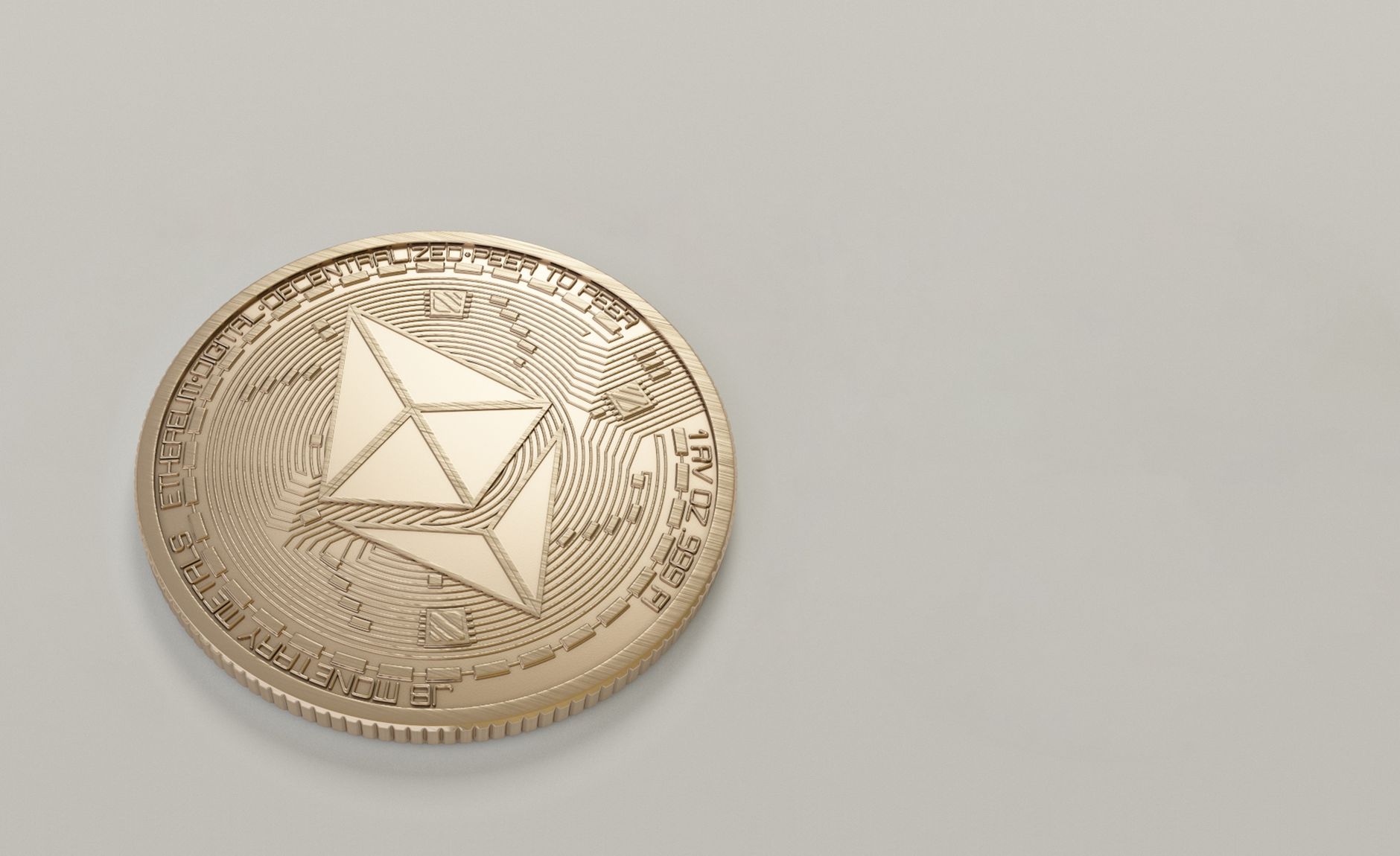
In recent years, decentralised platforms have emerged claiming to change the way money is managed, but many people remain unsure whether this technology has a practical role in the lives of retirees. The idea is not science fiction; it is the use of software that runs automatically according to pre‑set conditions, known as smart contracts. These contracts can govern the savings process, redistribute returns, and execute regular withdrawals when the target age is reached or a specific financial goal is met.
What is a smart contract?
A smart contract is a piece of code stored on a blockchain that cannot be altered after deployment. When a certain condition is met – for example, when an account balance reaches 100000 SAR – a predefined action is executed automatically, such as transferring part of the balance to a bank account or purchasing a government bond.
This feature makes it possible to build a retirement system based on clear rules, without the need for an intermediary or constant human intervention.
Why might it be suitable for retirees?
There are three main features that make smart contracts attractive to retirees:
- Transparency: Every transaction is recorded on the chain, meaning you can review the transfer history at any time.
- Security: The code cannot be changed after deployment, so there is no risk of illicit balance tampering.
- Automation: Rules are executed without reminders or human intervention, reducing the chances of forgetting or delaying withdrawals.
Practical steps to apply smart contracts in a retirement plan
1. Choose a reliable blockchain platform. Several networks support smart contracts, such as Ethereum, Solana, or Polygon. It is preferable to select a network with low transaction fees and available monitoring tools.
2. Define the basic conditions. For example, you can set monthly withdrawals to begin when the fund balance exceeds 150000 SAR, or when the age reaches 60.
3. Create the smart contract. If you are not a programmer, you can engage a technical adviser or use platform services that allow contract creation via a “ready‑to‑pull” system without writing code.
4. Link the contract to the savings account. Typically, a digital wallet is used to receive salaries or bank transfers via a bridge provided by some financial services.
5. Test the contract in a test environment. Before running it on real funds, try the contract on a test network (testnet) to ensure all conditions work as expected.
6. Monitor performance. Although the contract runs automatically, it remains necessary to review periodic reports to confirm that returns match your expectations.
Real‑world examples
Ahmed, aged 45, combines his monthly salary with a digital wallet. He programmed a smart contract that deducts 10% of each incoming salary into an investment fund on Ethereum. When the fund reaches 200000 SAR, the contract starts paying out 2000 SAR weekly to his bank account for daily living. Every transaction is recorded on the chain, allowing Ahmed to review his withdrawal history with a tap.
Noura, aged 38, works as a freelancer and uses stablecoins to avoid price volatility. Her smart contract specifies that every 30 days, 5% of her balance is swapped for government bonds available on a DeFi platform. This way she preserves part of her capital from inflation and adds a steady return.
What are the risks and how to manage them
First: Volatility of cryptocurrency prices. If you do not use a stablecoin, the fund balance may be affected by rises or falls in asset value. The solution is to choose stablecoins or link the contract to digital government bonds.
Second: Gas fees. Running a contract on Ethereum may cost more than expected. Use networks with lower fees or schedule withdrawals during periods of low fees.
Third: Immutability. Once deployed, the contract cannot be changed, so conditions must be precise and thoroughly tested before execution.
How to choose a service provider for smart contract implementation
Look for a platform that offers “no‑code” tools for designing contracts, supports stablecoins, and provides transparent reports on transaction fees. Some services offer a free trial account that lets you test the idea risk‑free.
Conclusion
Smart contracts are not just for advanced investors; anyone who wishes to organise their savings in a fixed and transparent manner can benefit from them. The core idea is to set clear rules, let the technology comply, and then leave it working quietly in the background of your account. This reduces reliance on memory, increases the chances of obtaining a steady income in retirement, and keeps funds secure.