How to Choose a Credit Card That Supports Cryptocurrency and Reduces Interest Risk
A practical guide to choosing a credit card compatible with cryptocurrency, focusing on fees, interest, security and cashback rewards.

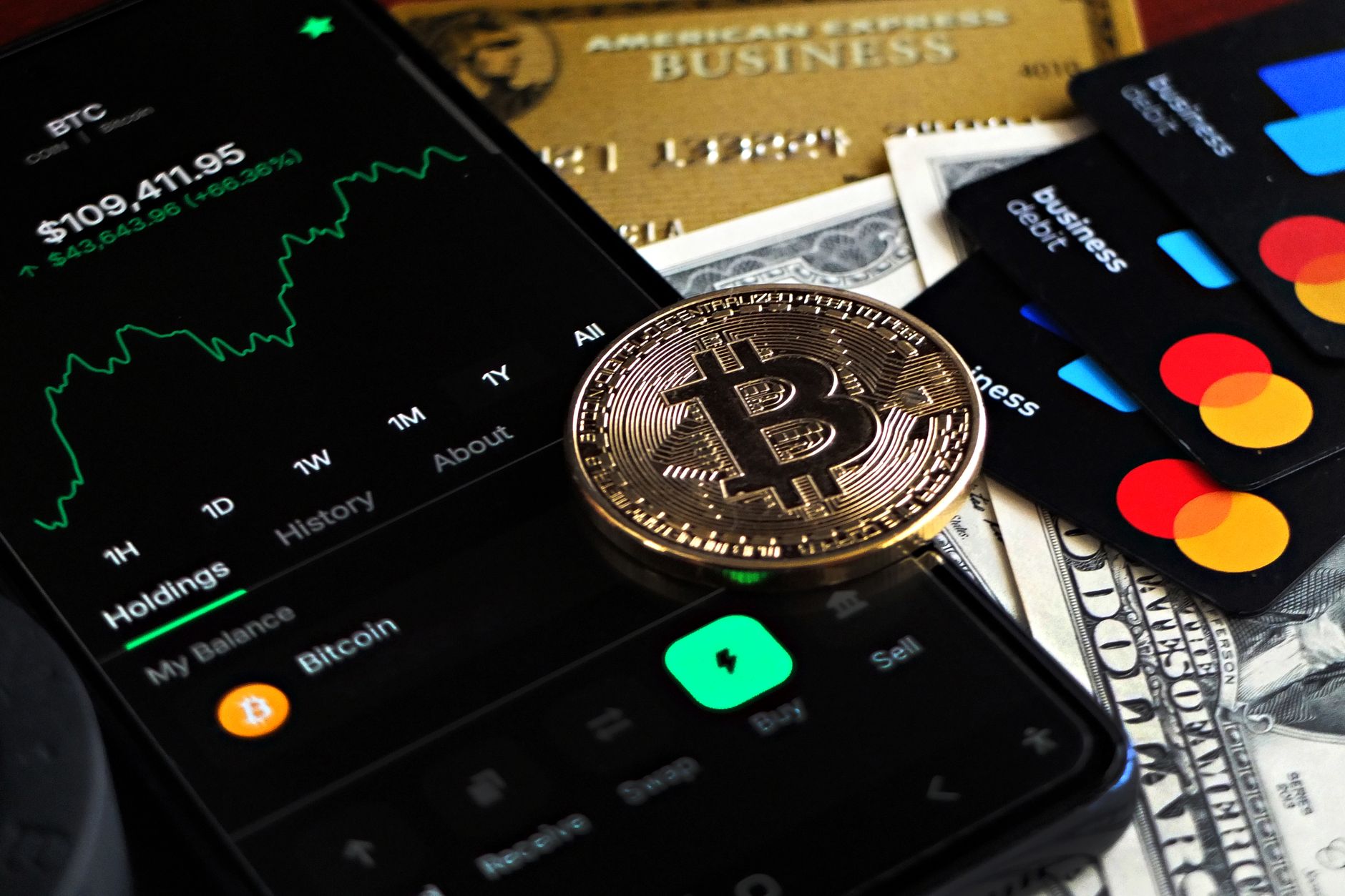
With the growing spread of cryptocurrency in Arab markets, many consumers are looking for a way to make everyday purchases smoother. The solution does not always come from an electronic wallet or trading app, but from a credit card that supports direct linking with cryptocurrency. The idea is simple: use the card for traditional purchases, while at the same time converting part of the spending into digital currency or receiving rewards in the form of crypto assets.
What Supporting Cryptocurrency Means on a Credit Card
Not every card that claims to “support cryptocurrency” means the same thing. There are three main categories:
- Crypto Wallet Linking: The card allows linking a wallet such as MetaMask or Trust Wallet to withdraw or transfer funds directly.
- Cryptocurrency Rewards: Instead of traditional points or cashback, the card rewards you with assets such as Bitcoin or Ethereum for each purchase.
- Instant Conversion to Digital Currency: Some banks offer a service to convert the remaining balance into cryptocurrency without needing a third-party app.
Before choosing a card, decide which of these features is most useful for you based on your spending habits and familiarity with digital currencies.
Key Criteria for Choosing the Card
When looking for a credit card that supports cryptocurrency, do not limit yourself to the digital feature alone; several factors determine whether the card is right for you.
1. Digital Wallet Linking – Make sure the bank or card issuer allows linking the wallet you use. Some banks impose additional verification steps or do not support every wallet, so ask for a list of supported wallets before deciding.
2. Conversion Fees – Converting between traditional currency and cryptocurrency may involve fixed fees or a percentage. Cards offering free or low-fee conversions are best for reducing your costs.
3. Annual Percentage Rate (APR) – Even if you do not plan to take cash advances, you may need to clear the balance later. Choose a card with a low APR to minimise interest if you delay payment.
4. Cashback or Points Rewards – Some cards combine cashback rewards with cryptocurrency. Compare cashback rates with the value of the cryptocurrency you will receive to see if the reward offers real value.
5. Security and Protection – Cryptocurrency is vulnerable to electronic theft. Look for cards that provide advanced encryption, two-factor authentication (2FA) and the ability to freeze the account immediately upon any suspicious activity.
Quick Comparison of Popular Cryptocurrency-Compatible Cards
Here is a simple table showing the differences between three cards that are among the most popular in the Arab region:
- CryptoPlus Card from Al Aman Bank – Direct linking with MetaMask wallet, conversion fee 0.5%, APR 18%, reward 1.5% cashback + 0.1% of crypto value.
- DigiCoin Card from Fay Company – Bitcoin rewards only, no conversion fee, APR 22%, no cashback, security via SecureCode.
- NeoPay Card from Future Bank – Links to multiple wallets, conversion fee 0.2%, APR 16%, 2% cashback on all purchases, with option to partially convert to Ethereum.
Your choice depends on your priority: if security is most important, you may prefer DigiCoin; if cashback rewards matter, NeoPay looks appealing; if you want maximum flexibility in linking wallets, CryptoPlus is the best fit.
Practical Steps to Activate Use
Once you have chosen the right card, follow these steps to activate digital support quickly:
Step 1: Open your account online or visit a bank branch. Provide identity documents, proof of address, and sometimes proof of income.
Step 2: Choose the “Link Wallet” option during activation. This will require entering your wallet address and completing verification via email or text message.
Step 3: Enable the “Automatic Conversion to Digital Currency” service if available. You can set a percentage of the balance to convert each month to a specific currency.
Step 4: Test the card with a small amount at a shop that accepts card payments. Monitor the notification and ensure the digital reward or cashback is added to your account.
Tips to Reduce Interest and Maximise Benefits
Even if you benefit from cryptocurrency rewards, do not forget that interest can build up quickly if you do not pay the full balance each month. Here are some simple strategies:
• Pay the Balance on Time: Set a reminder in your calendar before the due date, and do not rely on the minimum payment.
• Use Instant Balance Conversion: If your balance does not cover new purchases, convert part of it to cryptocurrency then transfer it back to the card balance to avoid interest.
• Bundle Expenses: Take advantage of periods when you do not earn extra rewards (such as holidays) to reduce the number of transactions and avoid extra fees.
• Evaluate Rewards Monthly: Track the value of digital rewards against market prices; if the value drops more than the conversion fee, it may be better to convert the reward to cashback.
Conclusion
Choosing a credit card that supports cryptocurrency is not just about an extra feature; it is a decision that affects your budget, the security of your money, and the interest you may pay. First, decide whether you need wallet linking, cryptocurrency rewards, or instant balance conversion. Compare conversion fees, APR, and security levels. Finally, make sure to pay the balance regularly to avoid interest, and use rewards wisely according to market fluctuations. By following these steps, you will get a card that adds real value to your financial wallet and helps you integrate the world of cryptocurrency with everyday spending easily.