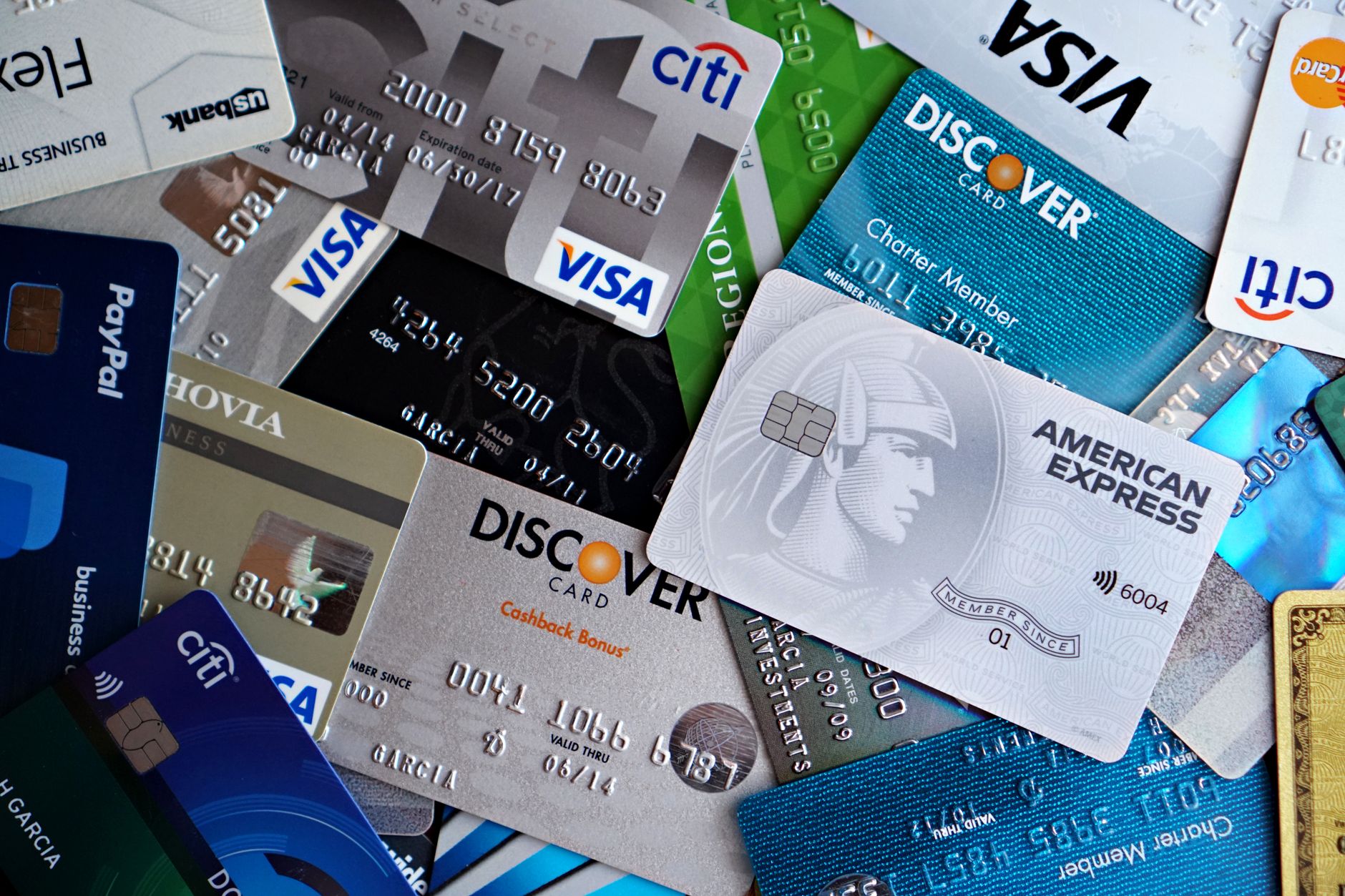
Flexible Rewards Credit Card: How to Choose the Tool That Adapts to Your Changing Spending
A practical guide to choosing a credit card with adjustable rewards based on your spending, to cut costs and boost cashback on every purchase.

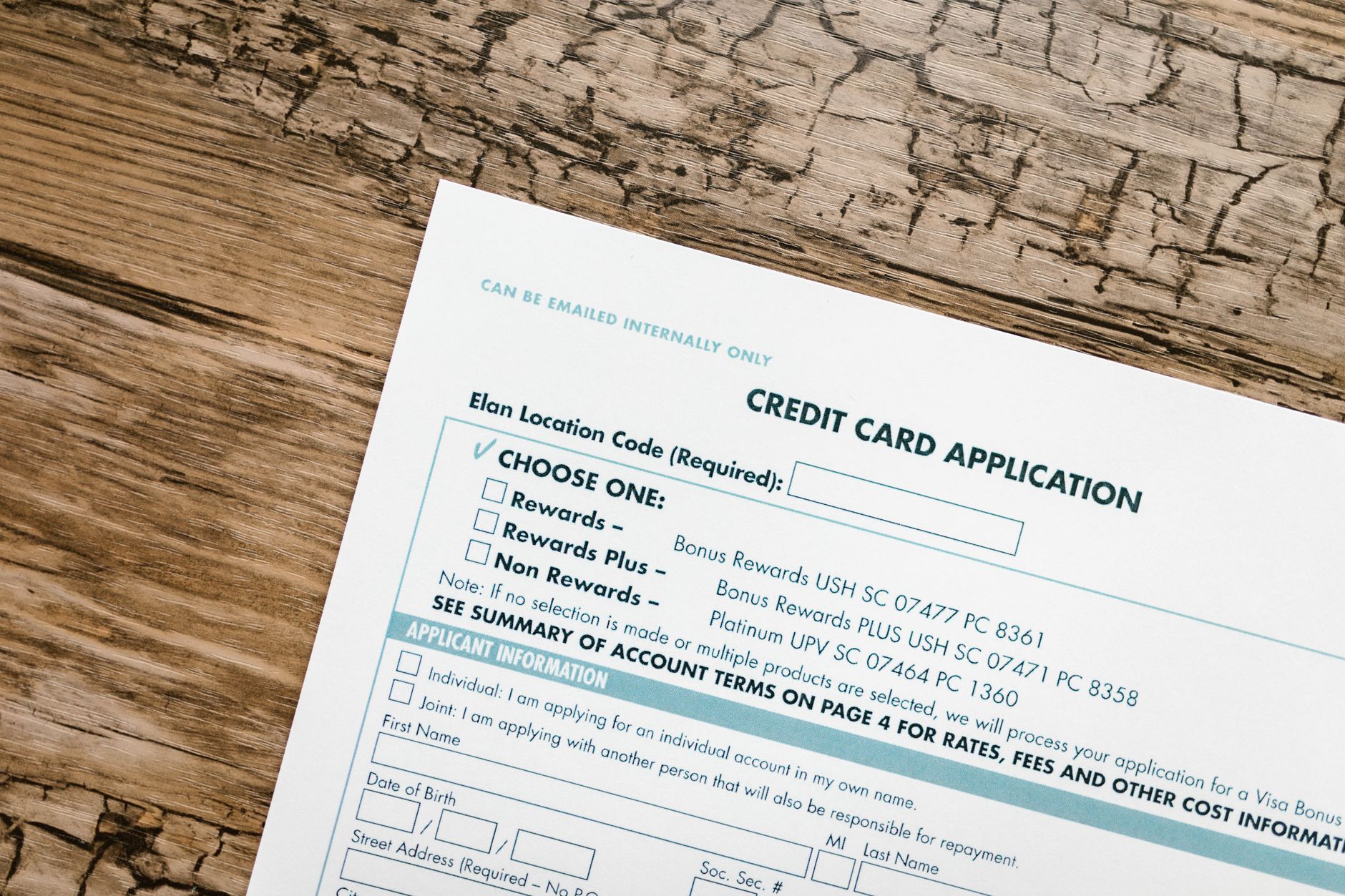
When looking for a credit card, consumers are often drawn to surface offers: a fixed cashback rate or travel points. But the truth is that daily spending fluctuates between utility bills, supermarket shopping, business trips, and even digital subscriptions. Whether a traditional rewards model suits you depends on how well it matches your actual spending pattern.
Start by analysing your spending pattern
Before you look at any card, track what you spend over three consecutive months. Use your bank’s app or download a bank statement to break expenses into main categories: fuel, groceries, dining, subscriptions, and travel. You may find that digital services make up 30% of total spending, while groceries stay below 15%.
This data leads to a key question: Do you want a single fixed reward (say, 2% cashback on everything) or a system that can adjust reward rates based on the categories you spend most in?
The concept of variable or flexible rewards
Some banks offer cards that let you customise reward categories every three months. For example, you could choose 5% cashback on one category (such as groceries) and 3% on another (such as fuel). If your needs change, you can adjust your choices via the bank’s app without requesting a new card.
These systems are usually called “flexible rewards” or “customisable rewards”. The benefit is that the return aligns with what you actually spend, raising the card’s average annual return compared to fixed-rate cards.
What to check in cards with variable rewards
- Customisation cost: Some banks charge a monthly fee (typically £5 or equivalent) when you change categories. Make sure the expected benefit covers this fee.
- Minimum spend: Some cards require a minimum spend to activate the higher reward rate. If you don’t reach the threshold, the rate falls back to the base level.
- Customisation period: Some banks allow changes every month, others every three months. Pick what gives you enough flexibility without added complexity.
- Category limits: Available categories are often limited (groceries, fuel, dining, travel, electronics). Ensure they cover what you need.
- Annual reward cap: There may be a maximum reward you can earn in a year. Compare this cap with your spending to assess the benefit.
Foreign exchange and digital transfer fees
With growing reliance on app-based payments, some cards support crypto payments or turn reward points into cryptocurrency. If you use these services, look for a card that does not impose high conversion or transfer fees. Some banks offer discounts on ATM fees or even free cash withdrawals when using the credit card on a specific network.
Also check for a “fee-free payment network” (such as Visa or Mastercard that allows transfers between your account and card with no extra fees). If you use your card for online purchases, security is just as important as ease of use.
Leveraging smart analysis tools
Many banks now provide analytical reports inside their apps. These let you view spending categories, cashback earned, and recommendations to adjust categories before the customisation cycle ends. If your bank does not offer these tools, it may be wise to look for a card with an advanced analytics dashboard.
Some third-party apps (like Mint or YNAB) allow you to link your card statement and analyse categories automatically. These additions help you make quick decisions when the reward adjustment date approaches.
Practical tips for applying the strategy
1. Start with a trial period: Choose a card with low or no annual fee for the first three months. Use it to test how well the available categories match your spending.
2. Set a monthly target: If your goal is to earn £200 cashback per month, calculate the required rate based on your average spending in the selected categories.
3. Monitor spending changes: Your pattern may shift after a holiday season or when starting a new job. Use app reports to adjust categories in time.
4. Avoid hoarding unused points: If points are hard to redeem, consider converting them to cash credit or withdrawing them as a balance on your bank account.
5. Compare offers regularly: The banking market evolves, and new cards may offer higher rewards or lower fees. Set aside time every six months to update your card comparison.
Conclusion
Choosing a credit card with flexible rewards is not just about hunting for the highest cashback rate. It requires examining your personal spending pattern, understanding the fee structure, and making use of available analysis tools. By following the analysis steps and tailoring categories to your actual spending, you can boost the card’s annual return without incurring unnecessary extra costs.
In the end, the ideal card is the one that fits your lifestyle and gives you enough flexibility to shift priorities when your spending changes. Remember to monitor offers regularly and use smart apps to stay ahead.