Converting Cashback Rewards to Cryptocurrency: Is a Digital Credit Card Worth the Interest?
Learn how to choose a credit card that turns cashback into Bitcoin or Ethereum, and discover the benefits, risks and practical tips.


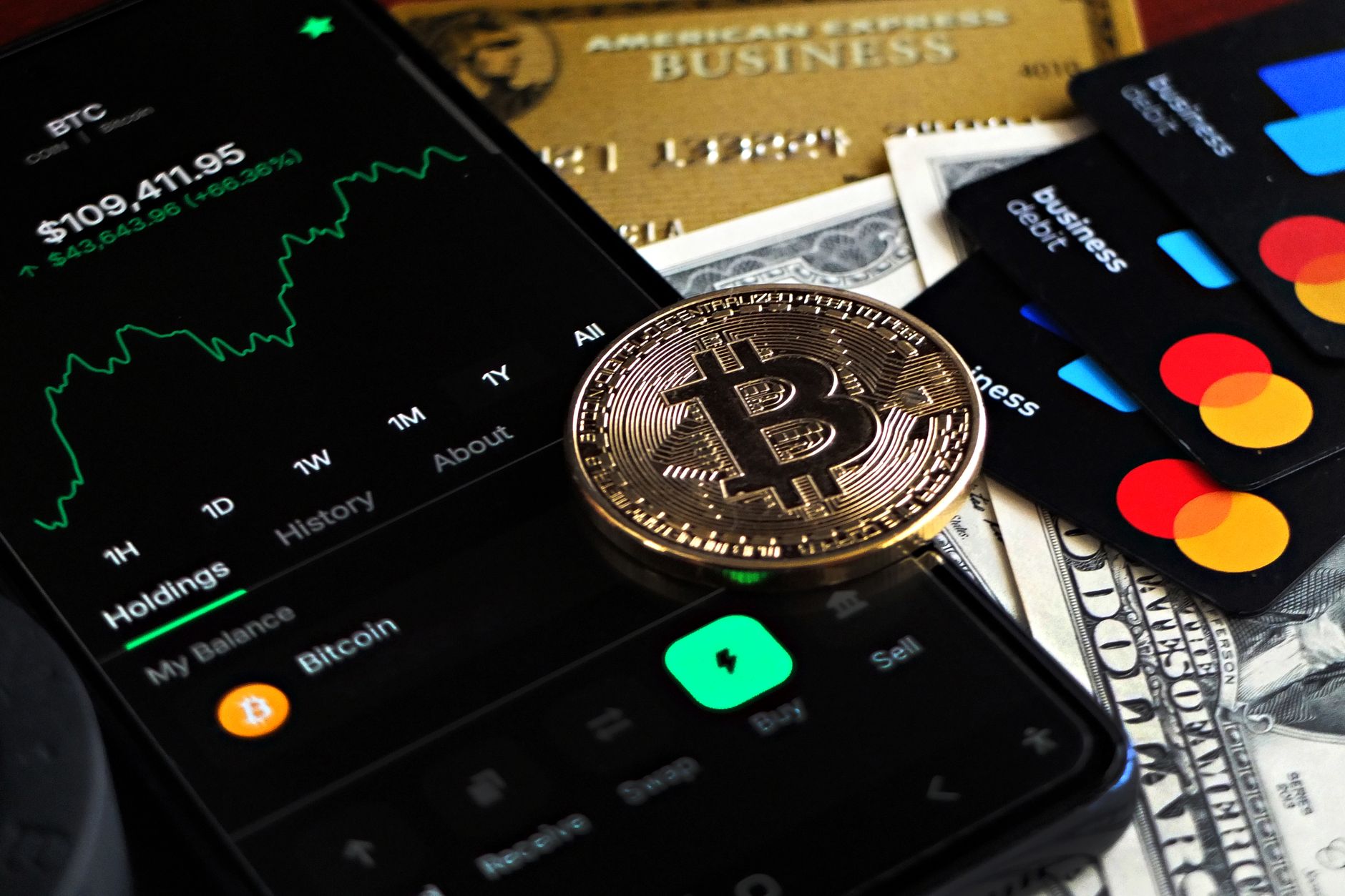
With the rise of digital currencies and growing interest in them, credit cards offering unconventional rewards have emerged: instead of receiving cash or travel points, the issuing bank or company converts the amount into Bitcoin, Ethereum or another stablecoin. The idea seems appealing, especially for those with some experience in the crypto world who wish to boost their investments without extra steps. But do these cards really justify the hassle? And what is the right criterion for choosing them?
What is the digital card that converts cashback to cryptocurrency?
These cards are usually issued by fintech firms or virtual banks and are integrated with an internal digital currency wallet. When you make a purchase, your reward percentage (often 1‑2%) is calculated and directly converted into a chosen currency. Some cards let you select the currency (such as Bitcoin or Ethereum) or even a stablecoin that fluctuates little, giving you greater flexibility in managing assets.
Factors to consider before subscribing
First, annual fees. Although some cards advertise no fees, hidden charges may appear in the form of exchange rate spreads or cash withdrawal fees. Second, conversion rate (APR). If you do not benefit from the interest-free period, interest will accumulate on the borrowed amount, which could outweigh any reward the user receives. Third, withdrawal limits; some firms may cap the daily or monthly limit for purchasing digital currency via the card.
Additionally, you should check security and compliance levels. Cards dealing with digital currencies require strict financial licences and precise KYC (Know Your Customer) procedures to avoid falling victim to fraud or money laundering.
Comparison of popular digital cards
Here is a quick look at three common options in the Arab and global markets:
- Crypto.com Visa: Offers rewards of up to 5% cashback split into digital currencies, with a monthly cap of 100 USD. Annual fees start at 0 USD for the basic version and rise to 199 USD for the premium version. An added benefit is the ability to withdraw currencies to an external wallet at low cost.
- BlockFi Rewards Card: Converts cashback into a stablecoin (USDC) and then allows you to convert it to Bitcoin or Ethereum at any time. There are no annual fees, but the conversion rate is lower (0.5‑1%) compared to other cards.
- Binance Card: Links directly to your Binance account and converts each purchase into a selected currency according to the spot market price. There are no issuance fees, but there is a cash withdrawal fee of 1.8%.
Note that differences are not only about rewards but also include fund withdrawal, ease of currency conversion and daily limits. Your choice should align with your spending habits and financial expectations.
Practical steps for using digital cashback safely
1. Define your goal: Do you want to collect currencies for long-term investment or use them to buy digital goods immediately? Your goal will determine whether you need a stablecoin or a volatile currency.
2. Enable two-factor authentication (2FA) on the card account and wallet. Most firms allow enabling Google Authenticator or SMS messages to reduce hacking risks.
3. Regularly review the interest-free period. If you intend to pay the bill in full each month, you will incur no interest and thus benefit from the reward to the fullest.
4. Track conversion fees. Some cards charge a fixed fee for each transfer to an external wallet; calculate this before deciding to withdraw currencies.
5. Leverage promotional offers. On certain occasions (such as Eid al-Fitr or Ramadan), cards may offer doubled rewards on specific purchase categories, like petrol stations or online stores.
Risks of converting to digital currency
Digital currencies are known for their sharp volatility. If you receive a 1% reward in Bitcoin, its value may fluctuate by more than 10% from one day to the next. Therefore, if you are not prepared for price swings, consider converting the reward directly to a stablecoin or withdrawing it to a bank account quickly.
Moreover, you may face legal challenges in some Arab countries, where taxes are imposed on digital currency profits or transfers abroad are prohibited. Make sure to review local laws before relying on this card as an investment tool.
Tips to reduce costs and increase benefit
• Choose a card with no annual fee if the reward rate is low; fees will otherwise negatively affect net returns.
• Ensure you pay the bill before the interest-free period ends to avoid interest. If you have a steady income, set an automatic reminder on your bank account to guarantee timely payment.
• Exploit the feature of converting rewards to a stablecoin and then investing it in platforms offering fixed returns (such as digital currency savings accounts) if you wish to preserve value.
• Monitor promotional offers from cards during months when you plan major purchases; opportunities for doubled rewards do not always recur.
Conclusion
A credit card that converts cashback to digital currency is not just a passing trend; it represents a bridge between everyday spending and investment in digital assets. Benefiting from it depends on your understanding of fees, conversion rates and the level of risk you tolerate. If you have a clear plan for accumulating or investing currencies and your card offers transparent fees and a sufficient interest-free period, it may be a smart choice to strengthen your financial portfolio.
However, if you are financially unstable or wary of price volatility, you might be better off relying on traditional cashback cards that pay you cash or points that can be easily redeemed. Ultimately, the choice remains personal, and the right decision is the one that aligns with your daily and long-term financial goals.