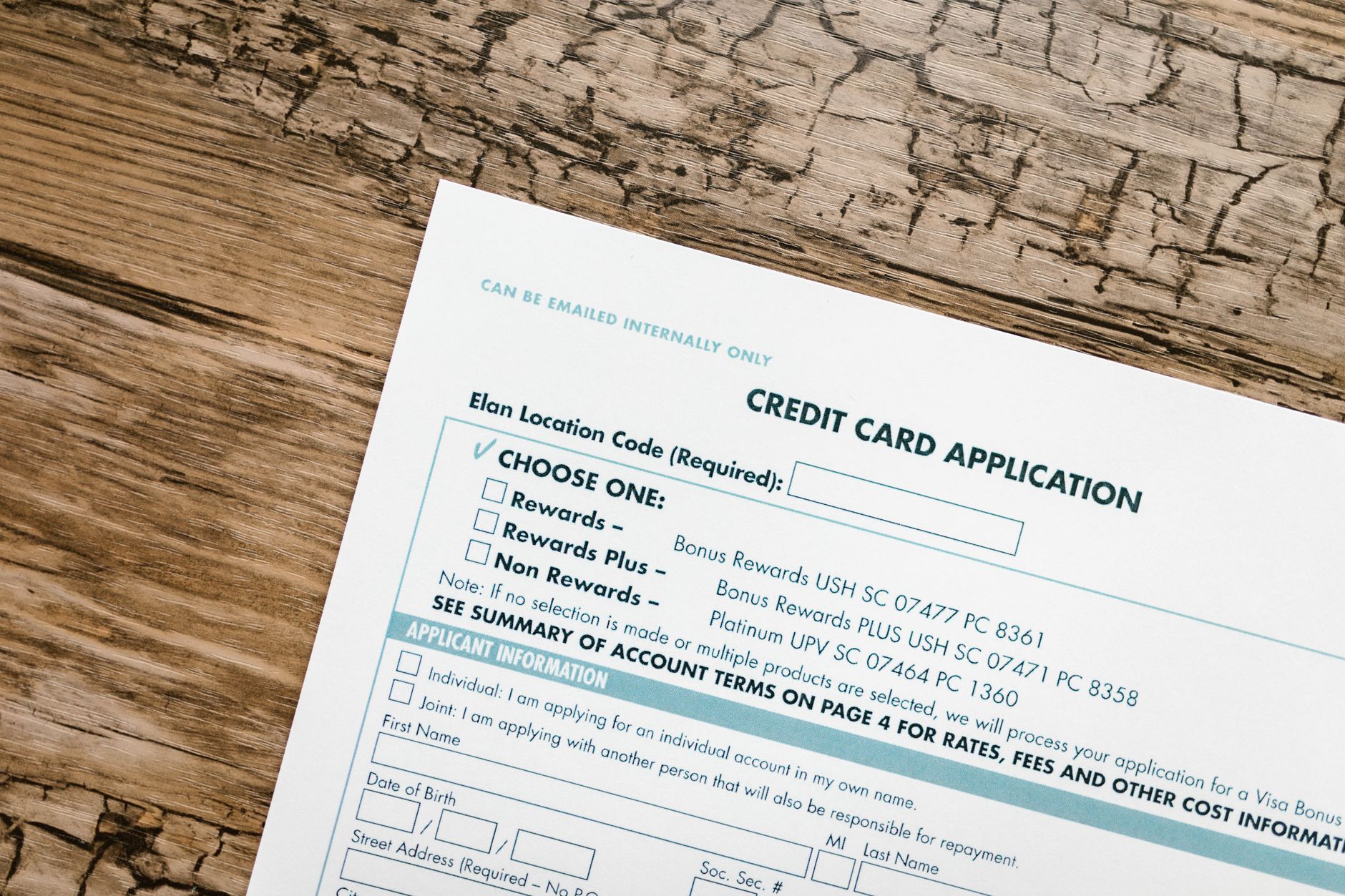
Credit Card for Expats: How to Manage Expenses in Two Currencies and Build Credit in Your New Country
Practical guide to choosing a credit card for expats that supports two currencies, reduces fees, and helps build a credit history in your new country.

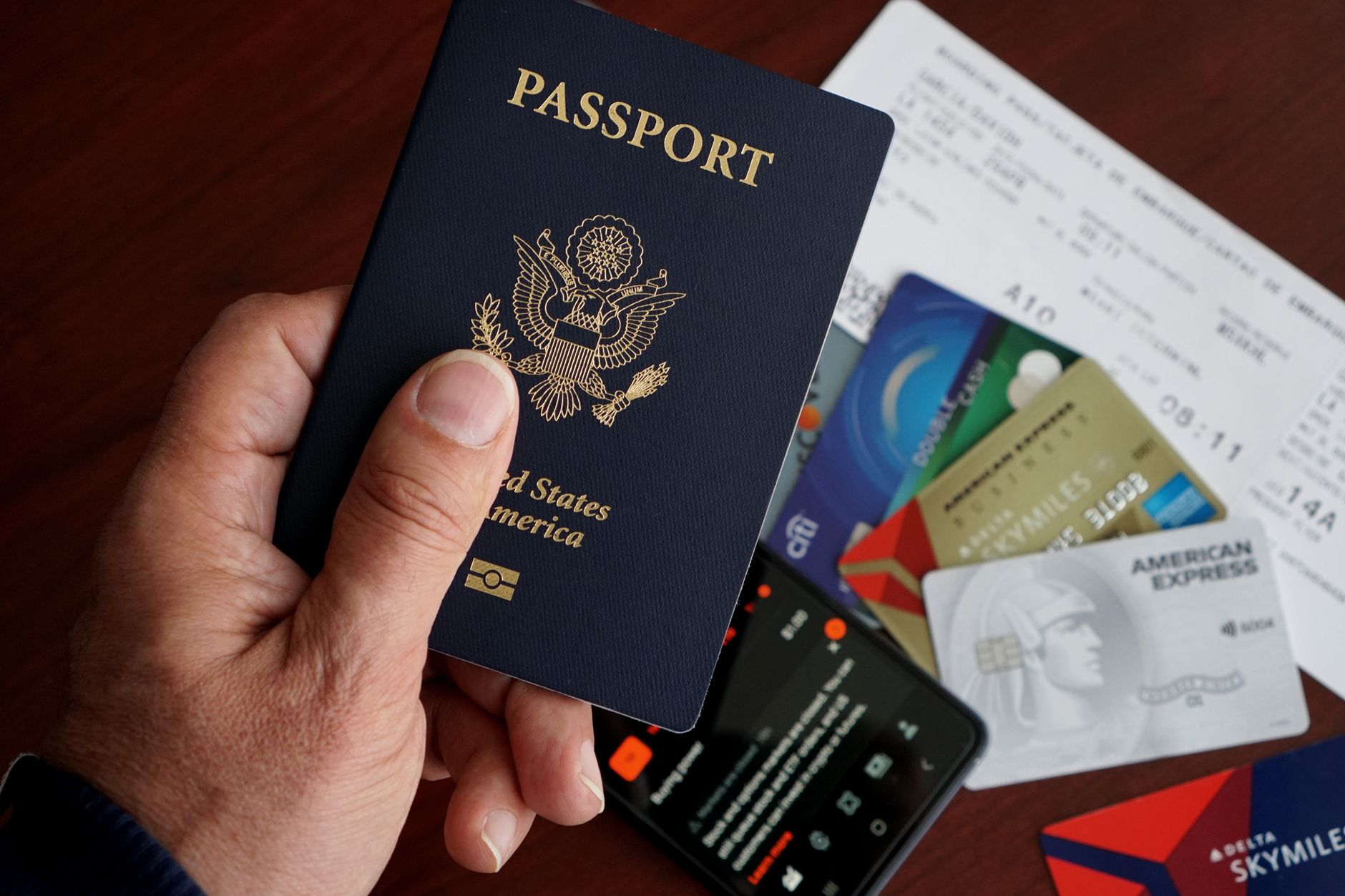
When moving to a new country, expats face a range of financial challenges: currency conversion, paying bills in the local currency, and building a credit history that opens doors to loans or rentals. The credit card chosen at this stage becomes an essential tool for managing cash flow, avoiding hidden fees, and maintaining a record that shows financial institutions you are trustworthy.
1️⃣ Why You Need a Credit Card That Supports Two Currencies
Converting between your home currency and the host country’s currency involves more than just the exchange rate. Most cards charge a foreign transaction fee (usually 2‑3%) on every purchase made in a different currency. If your card supports two currencies directly, you can withdraw or spend in the currency that matches your bank account without any extra charges. This eases the burden on your budget, especially if your income comes from an overseas source.
2️⃣ Core Selection Criteria
• Support for two or more currencies: Look for cards labelled as “Multi‑Currency” or “No Foreign Transaction Fee”. Some banks offer a card in the local currency with seamless conversion to another currency via their app.
• Real‑time exchange rate: Not all cards use the mid‑market exchange rate; some add an extra margin. Compare banks that state they use the official exchange rate from the international organisation.
• Annual maintenance fee: Fees may seem minor at first, but they accumulate over time. Look for a card with no annual fee or one that waives the fee in the first year if you meet a certain condition (such as a minimum spend threshold).
• Local rewards: Some cards offer cashback or points on purchases made within the new country – for example, cash withdrawals from ATMs or utility bills.
• Ease of building credit history: If you have no credit history in the new country, choose a card issued by a financial institution that reports your usage to the local credit bureau. Some banks offer a starter account that gradually increases your credit limit as you demonstrate responsible payment behaviour.
3️⃣ Real‑World Examples from Expats
Sami, a residential engineer who moved from Egypt to Canada, relied on the “XYZ Multi‑Currency” card, which charges no foreign transaction fees. Everything he buys online from Amazon US is deducted in US dollars, while his daily purchases in local stores are charged in Canadian dollars. The result: a saving of 2.5% on every transaction, equivalent to 300 dollars in the first year.
Noura, an advertising consultant who shuttles between the UAE and Germany, found that the “ABC International” card gives her double points on flights and hotels, plus 1% cashback on all purchases within Europe. This helped her accumulate enough travel points to reduce the cost of her upcoming trips.
4️⃣ How to Use the Interest‑Free Period to Avoid Interest
Many expats mistakenly believe interest does not apply as long as they pay later. The truth is, the interest‑free period only begins if you pay the full balance before the due date. Set a reminder on your phone two days before the statement date, and pay the full amount via your bank’s app to avoid any unexpected interest.
5️⃣ Integrated Spending Tracking Tools with the Local System
Most banks offer apps that automatically categorise expenses (transport, food, housing). Choose a card that integrates with local budgeting tools such as “Summary” or “Budget Management Apps” to make it easier to prepare tax reports in your new country. Having a unified database reduces administrative burden and improves your chances of securing future financing.
6️⃣ Tips to Strengthen Your Credit Score Quickly
1. Use only 20‑30% of your credit limit. This shows the record that you are not under debt pressure.
2. Pay your bill on time, even if it is only the minimum amount. Timely payment is the most important factor in building a strong credit history.
3. Request a credit limit increase after 6‑12 months of stable use; the increase signals positivity to lenders.
4. Maintain a mix of credit: if you have a personal loan or mortgage, keep repaying them regularly to show a full picture of your financial capacity.
7️⃣ Avoid Common Mistakes
• Overlooking cash withdrawal fees: Even if the card has no foreign transaction fee, it may charge a fee for ATM withdrawals abroad. Limit withdrawals to what is strictly necessary.
• Relying on just one card: Using multiple cards helps spread risk and take advantage of different reward offers.
• Not monitoring statements: Errors or fraud can appear at any time; review your statement weekly to spot any unexplained activity.
8️⃣ Practical Summary of the Selection Process
Choosing a credit card for expats is not just about surface‑level offers. You must review currency support, conversion fees, local rewards, and the ability to be added to the local credit history. When combined, these factors turn the card into a financial bridge linking your global income to daily expenses in the new country, while maintaining cash‑flow flexibility and avoiding unnecessary debt.
Start by identifying your needs: do you need dual‑currency support, or are you mainly after travel rewards? Would cashback help cover housing or transport costs? Then compare offers against the criteria above, and don’t forget to test the service by reading user reviews on local forums before making your final decision.