Guide to Choosing a Secure Credit Card for Digital Transactions
Learn the key security standards for credit cards used in online shopping and how to choose a card that reduces fraud risk and provides comprehensive protection.


You have a bank account and usually rely on a credit card to cover your daily expenses. But with the rise in online shopping, real concerns about security have emerged. In this article, we reorganise the ideas and explain which features make a credit card truly secure, and what practical steps you can take to avoid falling into a fraud trap.
What Makes a Credit Card Secure
A card labelled “secure” is not just a word on a website. It is a combination of technologies and solutions designed to reduce the chance of your card number being hacked or misused.
- Virtual Card Number – Instead of sharing your real number, the bank’s app generates a temporary number valid for a limited time or for a single transaction only.
- Three-Dimensional Security (3D Secure) – A system that asks for a password or one-time code with every purchase, adding an extra layer of authentication.
- Real‑time Alerts – Instant notifications on your phone for any transaction, no matter how small, so you can stop it immediately.
- Daily Spending Limits – The ability to set a cap on online spending so it never exceeds a certain amount, regardless of transaction type.
- Fraud Liability Protection – The bank’s commitment to reimburse you for any unauthorised transaction, provided you report it within a specified period.
How to Test the Security Level Before Applying
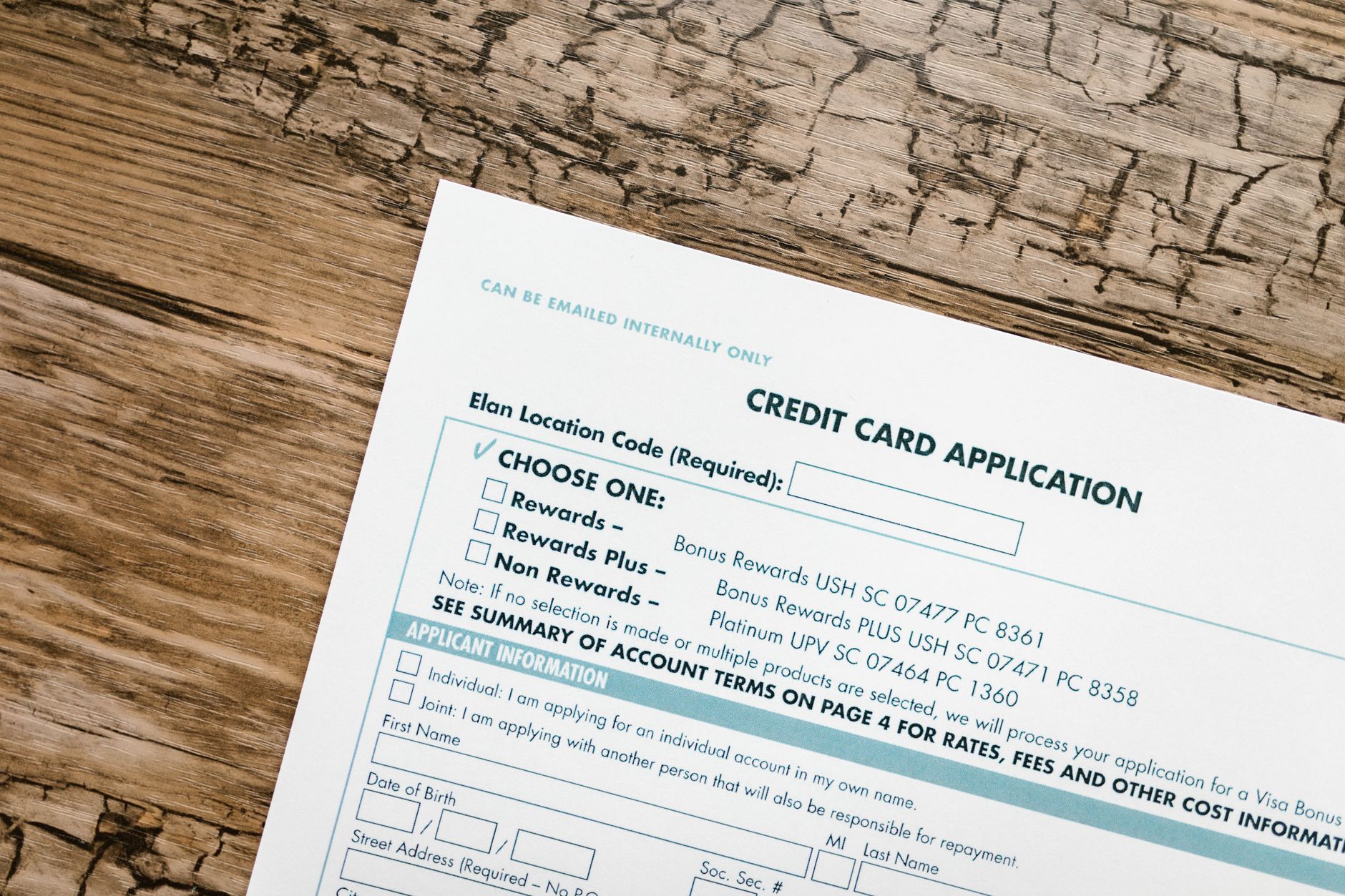
Before you submit a credit card application, try asking the bank for technical details. Ask about:
- Does the card support a virtual card number? If yes, is it available via the mobile app or website?
- What 3D Secure system is used? (For example, 3D Secure 2 is the latest.)
- Does the bank offer instant SMS or email alerts? And can you customise them by amount or category?
- What is the policy for cancelling or freezing the card if you suspect fraud?
- Is there insurance that covers financial losses resulting from a breach?
Quick and clear replies indicate that the bank prioritises customer security.
Examples of Cards Offering Advanced Security in the Arab Market
Currently, some banks offer innovative solutions:
- “SecurePay” Card from Gulf Bank – A virtual card number generated automatically via the app, with 3D Secure 2 enabled for international transactions.
- “ProtectPlus” Card from Elite Bank – Instant alerts on WhatsApp and a maximum digital spending limit of 5000 riyals.
- “Shield” Card from Egyptian Bank – Full coverage for electronic theft with full compensation if reported within 48 hours.
Each of these cards carries an annual fee, but the general rule is that you pay more for greater security.
Practical Steps to Reduce Fraud Risk After Getting the Card
Even with the strongest technology, your personal behaviour remains the most important element of protection:
- Enable alerts for all transactions, and do not rely only on monthly notifications.
- Use the virtual card number for every new shopping site, and only share your real number with trusted merchants.
- Keep a record of daily transactions in the bank’s app and review them weekly.
- Ensure your bank app password is strong and different from any other password you use online.
- When travelling, turn off the “Contactless” service if you do not need it to reduce the risk of nearby theft.
Consistent behavioural habits create an additional barrier that is hard for hackers to breach.
Is a Card with No Annual Fee Worth It?
Many people are attracted to cards with no annual fee, but if security is lacking, the benefit becomes limited. In reality, advanced security cards often carry fees, but they compensate you for every pound saved from a potential fraud incident.
Choose between a small long‑term cost or a potentially larger loss if a breach occurs.
Conclusion: Balancing Security and Convenience
Choosing a secure credit card means looking at three core elements: technology (virtual card number, 3D Secure), service (instant alerts, spending limits), and cost (annual fee versus protection). As long as the bank is transparent and its app is easy to use, you have taken the first step towards safeguarding your digital transactions.
Finally, remember that security starts with user awareness. Once your daily habits become more cautious, choosing the card becomes simply a small improvement in finding the right fit for you.
Disclaimer: This content is for educational and informational purposes only and does not constitute financial or investment advice. Consult a professional before making any financial decision.