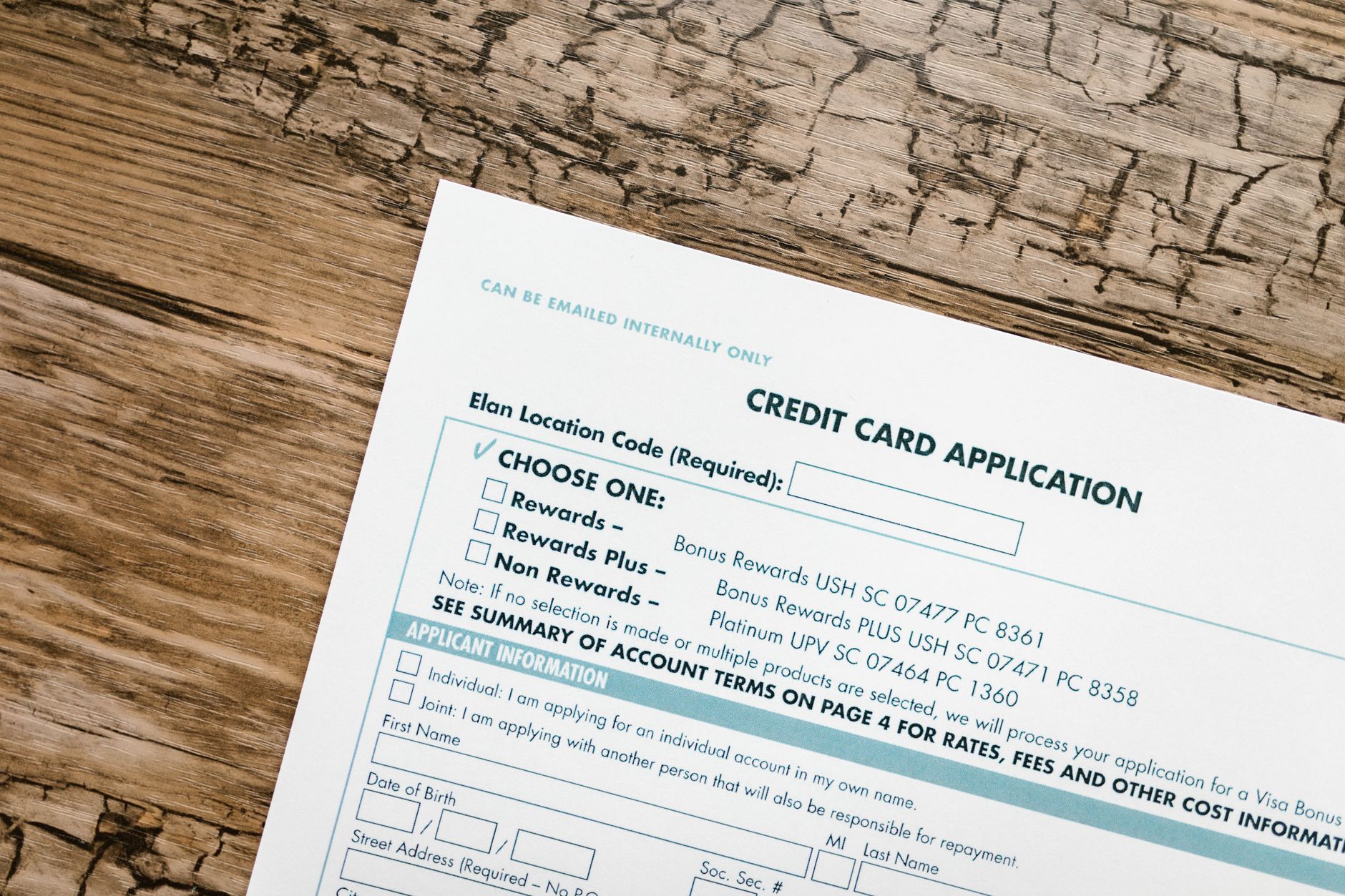
Credit card that supports cash flow for small business owners
Practical guide to choosing a credit card that helps small business owners turn cashback directly into their business account and simplify spending.


When starting a small business, the owner often struggles to balance daily expenses with cash flow. Many entrepreneurs turn to loans or multiple current accounts, but there is a simple solution that eases the financial burden and adds value: choosing a credit card designed specifically for cash flow within the business.
Why you need a business-specific credit card
A standard card may offer cashback rewards, but those rewards are often paid into your personal account. If your goal is to support the business budget, you need a card that allows cashback to be transferred directly to the business account, and provides spending analysis tools to help you track every transaction.
Another advantage is the ability to create virtual cards for employees or different departments, ensuring greater control over expenses without needing to distribute physical cards. Additionally, some cards integrate with cloud accounting software such as Xero or QuickBooks, reducing manual effort and cutting errors.
First criterion: no monthly or hidden fees
At the outset, check the fee details. As a small business owner, every pound matters. Look for cards that charge no monthly fees, and no fees for cash withdrawals from ATMs if that is necessary. Also, fees for transferring to business accounts can be a barrier; ideally, transfers should be free or low-cost.
Second criterion: flexible cashback system
Some cards offer a fixed cashback rate on all purchases, while others categorise rewards by type (for example, 5% on everyday spending, 3% on travel, 1% on the rest). For entrepreneurs, the everyday category is most beneficial, as most spending goes on office supplies, cloud services, and online purchases.
The key is the card’s ability to transfer cashback directly to a business bank account or to a balance within the accounting software. Some banks allow you to create a linked business account, so when cashback is received, it is added automatically without manual steps.
Third criterion: integration with financial management tools
Choose a card that supports exporting data in CSV or Excel format, or better still, provides an API that connects directly to your accounting software. This way, every transaction is recorded automatically and categorised according to the rules you set, making month-end financial reporting much easier.
Moreover, some cards offer a mobile app dashboard showing real-time spending, alerts when you approach spending limits, and simple analysis showing where most of your budget goes.
Fourth criterion: security and purchase protection
Ensure the card has 3D Secure encryption and the option to create a virtual card for each online purchase. This technology reduces fraud risk and lets you cancel the card immediately if you notice unusual activity.
Also, some banks offer automatic refunds if a product is not received or if there is a service issue, adding an extra layer of confidence when shopping online.
Practical example of applying the idea
Imagine you run an online shop selling office supplies. Each month you need to buy stock from various suppliers, pay cloud ERP subscriptions, and receive payments via a payment gateway. Using a business-specific credit card, you will get:
- 5% cashback on all everyday purchases, transferred directly to your business bank account.
- Virtual cards for employees, with a daily spending limit set for each.
- Automatic export of transactions to your accounting software to reduce manual data entry.
- Real-time alerts on your phone when your spending nears the credit limit.
This way, you do not need to withdraw money from your personal account to cover bills, and all funds stay within the business framework, strengthening cash flow and reducing reliance on short-term loans.
Steps to choose the right card
1. Start by estimating your expected monthly spend. If it is under £2,000, you may not need a card with a high limit.
2. Compare offers from local banks and digital payment providers, focusing on cashback rate and cost of transferring to a business account.
3. Check whether the card can link to your accounting software, and try a trial version if available.
4. Review security terms, especially 3D Secure support and virtual card availability.
5. Do not forget to read customer reviews to ensure smooth cashback receipt and quick issue resolution.
After deciding, complete a simple online application; you usually receive the card within a week. Once received, link it to your business account and start tracking the returns.
Quick summary
A credit card that combines flexible cashback, direct transfer to the business account, and integration with accounting tools is a powerful asset for small business owners. With minimal planning, you can turn every purchase into an extra income stream that supports cash flow and strengthens your business credit record.