How a Personal Loan Can Solve Credit Card Debt
Practical guide to using a personal loan to pay off credit card debt, covering steps, risks and choosing the best deal

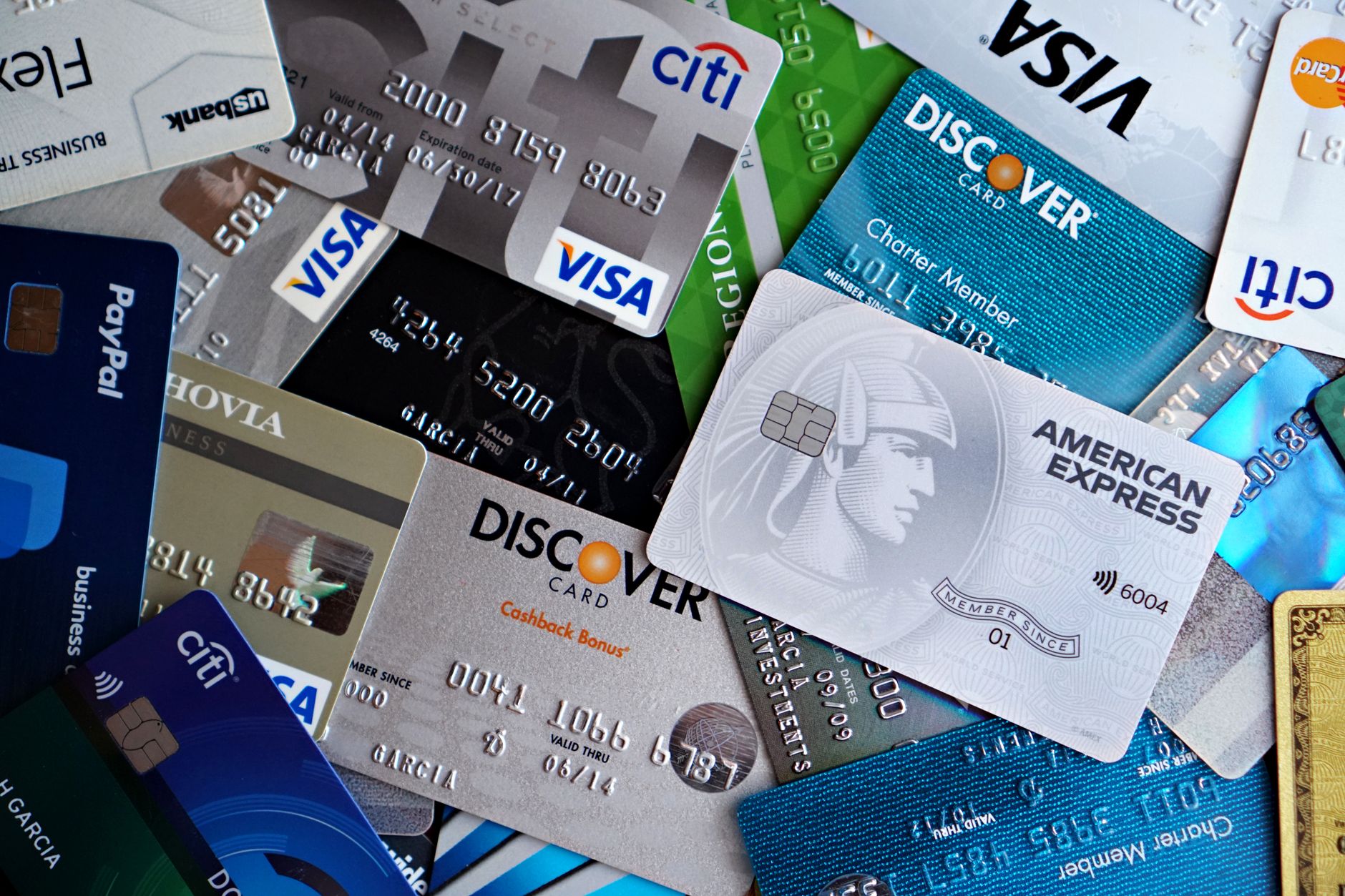
Many people face the problem of mounting interest on credit cards, especially when they have multiple cards with different interest rates. In such cases, a personal loan can become a reliable tool to reduce the financial burden, provided it is used wisely.
Why a personal loan may be a better option than continuing to pay off cards
Credit cards usually carry high interest rates, between 15% and 30% in most Arab countries. When these interests accumulate on an unpaid principal amount, monthly payments multiply and the idea of daily spending becomes difficult.
A personal loan, on the other hand, offers a fixed interest rate over the repayment period, often lower than the average interest on cards. Additionally, it allows you to consolidate all payments into a single monthly repayment, making it easier to track your budget and avoid forgetting.
Steps to take before applying for the loan
Before you decide to borrow an amount to pay off your card debts, you need to be clear with yourself about three basic matters: repayment ability, the actual cost of the loan, and available alternatives.
- First: calculate the total outstanding debt on each card, including accumulated interest. Use a simple table to record balances, interest rates, and monthly payments.
- Second: compare the available loan offers in the market. Look for a net annual percentage rate (APR) that includes all administrative fees.
- Third: assess your ability to repay the loan by calculating your net monthly income, then subtracting all fixed commitments (rent, bills, etc.). The remainder is the amount you can allocate to loan repayment.
If you find that the new interest is lower than the card interest, and the monthly loan payment does not exceed 30% of your net income, you can proceed.
How to choose the right loan to settle credit card debt
Not all personal loans are equal. Some offers may seem attractive with a low interest rate, but add administrative fees or early repayment penalties. Therefore, look for a loan that ensures:
- A fixed interest rate throughout the loan term.
- Low or no administrative fees.
- The possibility of early repayment without penalty.
- A flexible repayment period that aligns with your financial expectations.
Financial comparison websites make it easy to gather this information. Do not rely on a single offer; compare at least three offers.
Methodology for drawing down the loan and settling card debts
After you select the offer and complete the approval procedures, it is time for actual implementation. Here are the steps of the process clearly:
- Start by withdrawing the full loan amount into your current account.
- Use the amount to pay off the full balance of your credit cards, starting with the highest interest rate to the lowest.
- Maintain a record of transfers and proof of payment, as the bank may request them for follow-up.
- Begin repaying the loan according to the agreed schedule, monitoring any changes in interest or fees.
Make sure to close your credit cards after repayment if the goal is to avoid falling into a new debt cycle. If you cannot close them, at least cancel the credit limit or reduce usage to a minimum.
Potential risks and how to avoid them
Although a personal loan may seem like a magic solution, there are risks that must not be ignored. First, if you delay repaying the loan, the fixed interest may turn into high interest, and late penalties may be added, negatively affecting your credit record. Second, if you use the loan to pay off credit cards only but do not stop spending on them, the debts will return quickly.
To reduce these risks, put a clear financial plan in place after paying off the cards: allocate part of your monthly income to savings, use credit cards only in emergencies, and do not exceed the allowed credit limit.
Impact of the loan on your credit record
When you successfully pay off credit card debts using a personal loan, your credit record may improve for several reasons: first, a lower debt-to-income ratio (DTI) sends a positive signal to lenders. Second, showing consistent repayment behaviour on the loan adds a positive history to the record. However, this improvement does not happen overnight; it requires several months of commitment.
If you have a weak credit record, a personal loan can be a preliminary step to strengthen the record before applying for larger financing such as a mortgage.
Summary of the process of settling credit card debt using a personal loan
In the end, a personal loan does not guarantee a financial solution if you are not prepared to change your spending behaviour. The key is:
- A comprehensive analysis of debts and interest comparison.
- Choosing a loan offer with transparent terms.
- Implementing an orderly repayment of the cards.
- Committing to the loan repayment plan and avoiding new debts.
By following these steps, you can turn the burden of rising interest into an organised repayment that eases financial pressure and restores your confidence in managing your money.