How to Build an International Retirement Portfolio on an Arabic Budget and Reduce Risk
Practical guide to building an international retirement portfolio covering global markets, explaining tool selection, currency risk management, and implementation steps for Arabic-speaking employees.

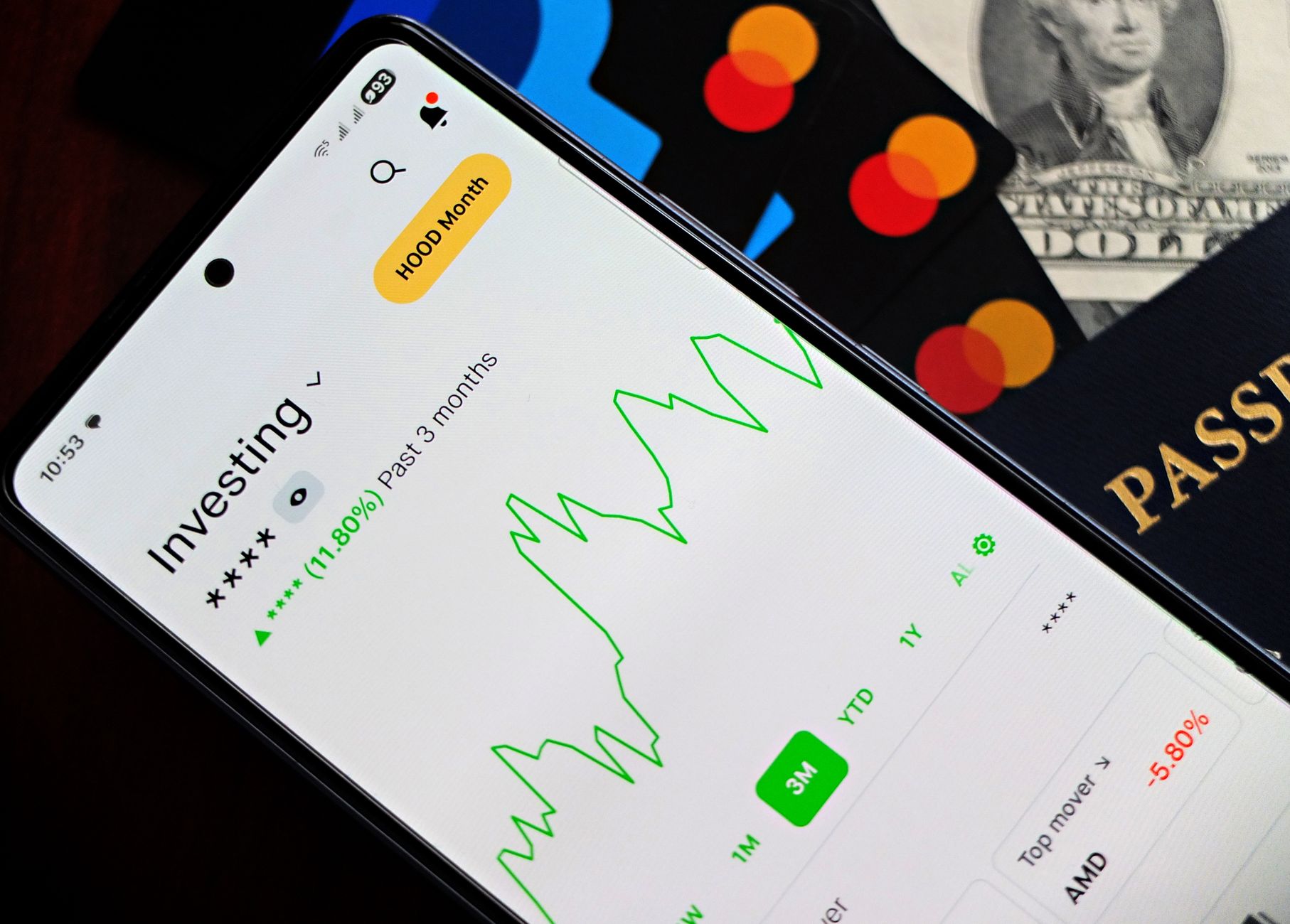
Most of us plan for retirement based on local income, but relying entirely on one market increases exposure to local economic volatility, inflation, or unexpected government policies. If you can allocate a small portion of your savings to invest outside your country, you will gain better diversification and potentially higher returns.
Why Consider Global Investments?
The global market offers mature economies, sectors not available in the region, and geographical distribution that reduces the likelihood of consecutive shocks. For example, if oil prices fall in the Arab region, the technology sector in America or European securities may remain strong, preserving the value of your retirement savings.
Moreover, some international funds provide higher returns than local funds, especially when managed effectively and invested in shares with sustainable dividend distributions.
Choosing the Right Tools
Not every investment tool is suitable for retirees. Here are some options that balance return and risk:
- Global exchange-traded funds (ETFs): Allow you to buy a broad basket of stocks at low management cost. Look for ETFs tracking indices such as MSCI World or S&P 500.
- Foreign-currency mutual funds: Managed by Arab banks or investment firms and invest in multiple markets, often with reduced fees for local investors.
- International fixed-income bonds: Provide steady income in hard currency, reducing the impact of local inflation.
- International target-date funds: Automatically reallocate assets each year as retirement approaches, investing part of the portfolio in overseas markets.
When selecting any of these tools, be sure to review expense ratios (TER) and return sources (dividends, capital growth).
Managing Currency Risk
Investing in foreign currency adds an extra layer of risk; if your local currency strengthens against the dollar, the value of your investments may fall in comparison.
Two common methods reduce this effect:
- Using hedging contracts: Some funds offer currency hedging, meaning potential losses from exchange rate fluctuations are offset by the fund.
- Diversifying across multiple currencies: Do not limit yourself to one currency; invest in funds denominated in euros, yen, or pound sterling to spread foreign exchange risk.
Additionally, retirees can allocate a small portion of their cash reserves to purchase hard currency (for example, via a foreign currency savings account) to protect against market fluctuations.
Practical Steps to Get Started
1️⃣ Determine the investable amount. If your monthly salary is 5000 riyals, start by transferring 5‑10% to a global account. You do not need large sums initially; compound interest begins working even with small amounts.
2️⃣ Open an international brokerage account. Most Arab banks provide a gateway to US or European brokerage platforms. Look for a bank offering a foreign currency account with no maintenance fees.
3️⃣ Select an investment tool. Based on your risk tolerance, choose a basic ETF (such as VEU for emerging market coverage) or an international bond fund.
4️⃣ Schedule monthly or quarterly contributions. Set up an automatic transfer from your current account to your brokerage account to avoid overspending or unplanned expenses.
5️⃣ Review performance every 6‑12 months. Do not leave your investment unmonitored; track returns, risk levels, and exchange rate changes. If you notice a persistent decline, consider adjusting the allocation or shifting to less volatile tools.
6️⃣ Benefit from tax exemptions. Some countries exempt returns on foreign funds from tax if documented as long-term investments. Consulting a tax adviser may save you significant amounts.
7️⃣ Keep a clear record. Log every transfer, fund type, and purchase date. This record will help you calculate actual returns at retirement.
Final Tips
Start by checking the cost of currency conversion; some banks charge high fees for converting riyals to dollars. Look for electronic solutions (such as Wise or Revolut) to reduce these costs.
Geographical diversification does not mean copying everything; choose assets aligned with your personal interests (for example, if you are interested in renewable energy, invest in a global fund focused on clean energy).
Over time, you will notice that the international portfolio adds stability to your retirement savings and gives you greater flexibility to face any local disruption.