Daily Spending Limit: A Simple Way to Control Your Budget and Save Money
Learn how to set a daily spending limit and apply it practically to reduce expenses and boost your savings.

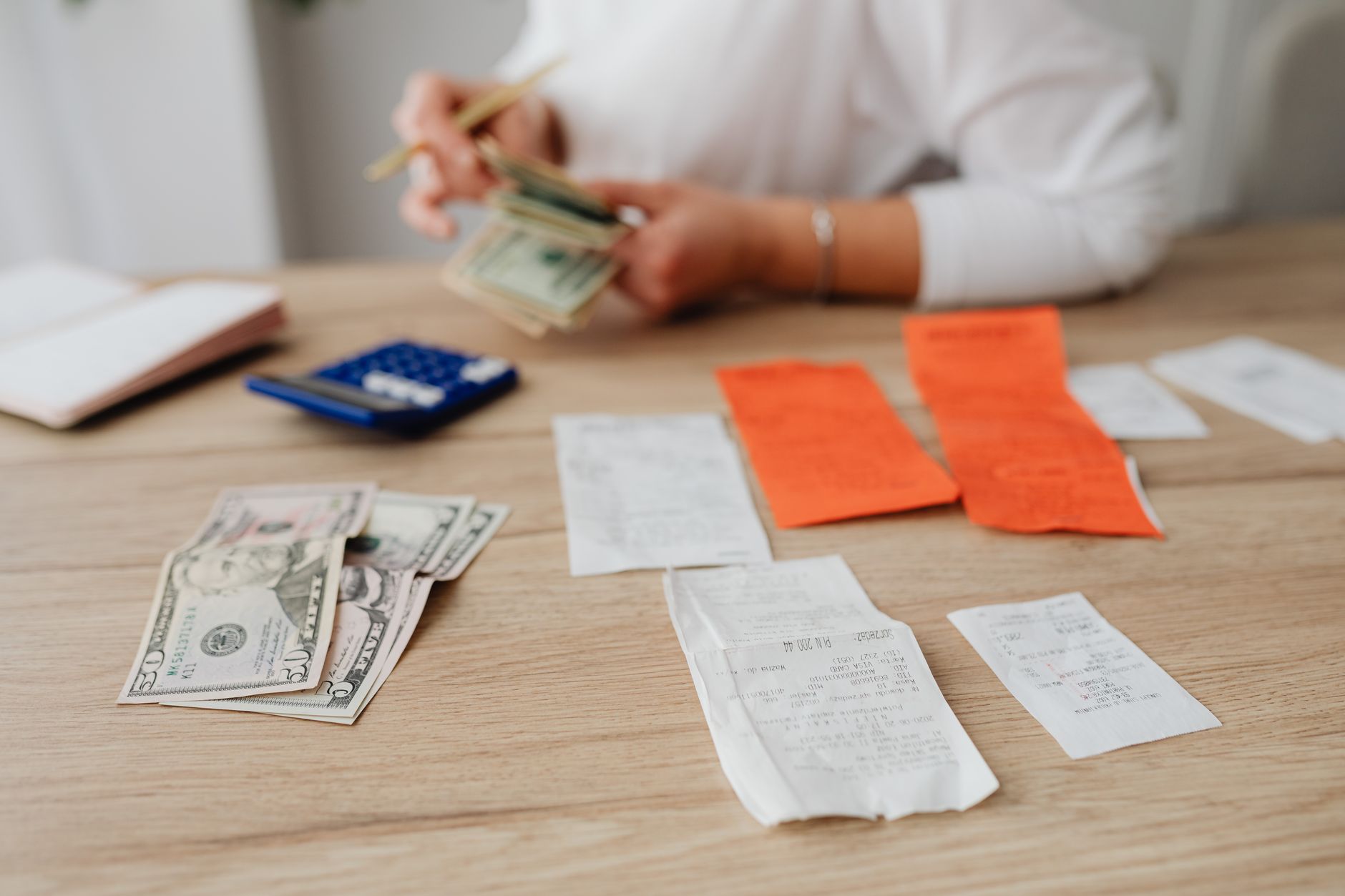
Often, we discover that the monthly bill surprises us with an amount larger than expected. The reason is not always rising prices, but the accumulation of small expenses paid without thought. The idea of a daily spending limit helps you break this pattern, putting you in a position to monitor every penny spent.
What is a daily spending limit?
The idea is simple: you set a maximum amount you can spend in any day. If you exceed this amount, you stop spending until the next day. This does not mean you will deprive yourself of everything, but it is a way to reduce unnecessary spending and enhance financial awareness.
How to set the right limit?
Start by analysing your average daily expenses. Open your bank statement for three months and calculate the average daily spending (exclude fixed bills such as rent and subscriptions). If your average is 50 riyals, try setting a limit of 40 riyals to begin with. This gives you a margin to try the process without shock.
Remember that the limit is not a fixed law; you can adjust it each week based on how comfortable or difficult you find it.
Tools that make applying the daily limit easier
With the development of digital banking, you can now set a daily spending limit directly from the app. Look for an option labelled “Daily Spend Limit” or “Daily spending limit”, then activate it and set the amount. Some apps provide instant alerts when you approach the limit, helping you make a quick decision.
If your app does not support this feature, you can rely on the digital envelope method. Open a sub-account or a virtual card dedicated to daily spending, and every transaction will appear in real time.
Practical steps to apply the daily limit
1️⃣ Set the amount. Begin with an average rate, then gradually reduce it to reach a comfortable level.
2️⃣ Choose a tool. Whether it is your bank’s app or a virtual wallet, ensure it has instant notifications.
3️⃣ Divide spending. Define categories (coffee, transport, fast food) within the daily limit. If you use up the coffee category entirely, stop buying coffee to stay within the limit.
4️⃣ Weekly review. At the end of each week, review your spending report. If you find the limit was too low, increase it by 10% for the next week.
Examples from daily life
Sarah, an employee with a fixed income, used to spend about 75 riyals a day on coffee and fast food. When she applied a daily limit of 50 riyals, she found most of her spending occurred in the morning. She decided to make coffee at home and buy bread from the supermarket at the weekend. Over two months, she reduced her daily spending to 30 riyals and saved 900 riyals.
Ali, a freelancer, used to buy his work tools online without planning. By setting a daily limit of 100 riyals, he had to group his orders weekly, which enabled him to compare prices and cancel some unnecessary purchases. The result: he saved 1,200 riyals in three months.
Potential challenges and how to overcome them
You may find it difficult to stick to the limit on days when you feel social pressure (business trips, celebrations). The solution is to allocate a category called “occasions” within the limit and set a fixed amount for these cases. If you exceed this amount, decide to cut some non-essential expenses on the following days.
Sometimes, you may need to make an unexpected expense (car repair, medical check-up). In such cases, you can either temporarily raise the daily limit or compensate for the excess by reducing spending in the following days.
Expected long-term results
After sticking to the daily limit for at least two months, you will notice a clear improvement in your psychological control over spending. Thinking about each purchase will become a habitual precaution, and the urges that drive impulsive buying will decrease. Moreover, the surplus will accumulate in your savings or investment account, creating a continuous incentive for greater discipline.
The key is consistency; you do not need to be strict, but you need to be aware. When you realise that every riyal not spent is a step closer to your financial goal, setting a daily spending limit becomes an indispensable habit.
Conclusion
The daily spending limit is not just a number on paper; it is a tool that enables you to see your expenses with fresh eyes and challenge the habits that drain your budget. Choose the right amount, use technology to track you, review your results weekly, and you will find that managing money becomes easier than ever before.


