Digital Envelopes: An Innovative Way to Reduce Financial Surprises
Learn how digital envelopes help split expenses, manage money effectively and avoid unexpected spending.

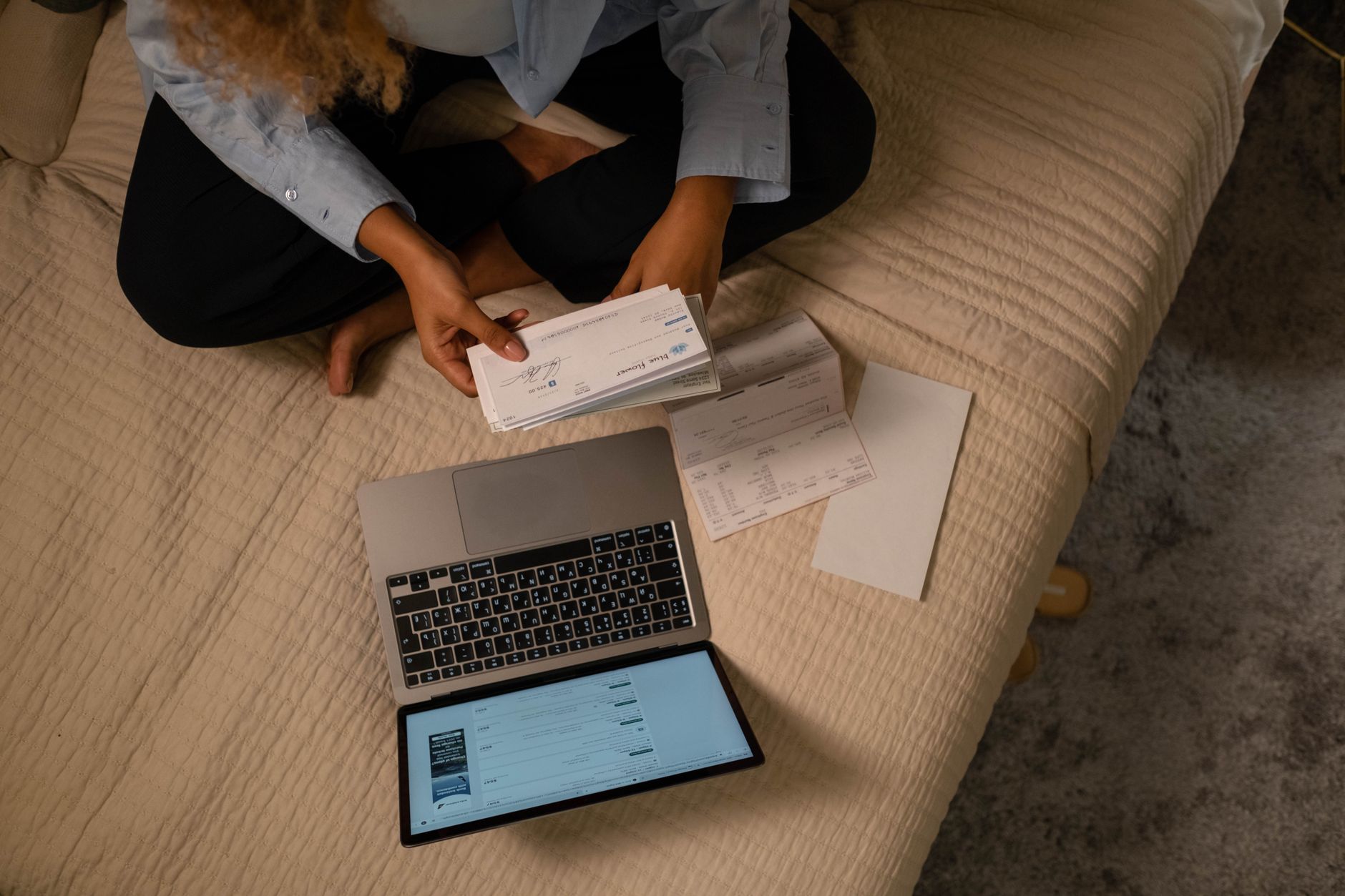
Turning the traditional envelope system into a digital version opens a new way to reduce financial surprises and bring discipline to your personal accounting. Instead of carrying paper and coins, we use apps or dedicated bank accounts to allocate specific amounts for each spending category.
What is the digital envelope system?
The idea is simple: divide your income into “envelopes” that represent spending categories (such as groceries, transport, entertainment, etc.). Each envelope holds a fixed balance that can only be spent from within it. If the balance runs out, no further spending is allowed in that category until you reallocate funds or wait for the next pay cycle.
Why are people switching to digital envelopes?
Manual handling of paper can lead to forgetting remaining balances or difficulty updating them. Digital tools provide:
- Instant balance updates after each transaction.
- Alerts when approaching the limit.
- Ability to share envelopes with a partner or family members.
- A full transaction history to ease monthly review.
This way, unexpected spending becomes less severe, as every transaction is recorded and compared against the allocated limit.
Steps to apply digital envelopes in your life
1. Identify the basic categories. Start with five to eight categories that cover most of your daily expenses: food, housing, transport, leisure, savings, and emergency buffer. Avoid adding too many categories at first to prevent complexity.
2. Calculate average spending per category. Review your bank statements or records from the past three months and work out the average. If you have variable expenses (such as car maintenance), give them flexible room by adding a contingency percentage.
3. Choose a digital tool. Several options exist:
- Dedicated apps like Goodbudget or Mvelopes that support the envelope system directly.
- Using Google Sheets with simple formulas to split and update balances.
- Creating sub-accounts within your bank (some banks allow “sub-accounts” or “pots” inside their app).
Pick what suits you best in terms of ease of use and subscription cost.
4. Distribute the monthly balance. After receiving your salary, transfer the amounts to each envelope according to the limits you set. If your income varies, you can put a fixed base amount and then add any surplus to priority envelopes (such as savings).
5. Record every transaction. When making a payment, enter the amount into the appropriate envelope via the app or electronic sheet. Do not allow spending money from one envelope for another; every transaction must be visible.
6. Monitor alerts. Most apps send notifications when an envelope balance nears zero. Use these alerts to assess whether you need to cut spending or reallocate funds.
A practical example from daily life
Ahmed receives a salary of 4000 riyals at the start of each month. He decided to split it into the following envelopes:
- Food and drink: 1200 riyals
- Housing (rent + bills): 1500 riyals
- Transport: 400 riyals
- Leisure and hobbies: 300 riyals
- Emergency savings: 400 riyals
- Flexible envelope (for unexpected items): 200 riyals
In the second week, Ahmed needed to service his bicycle, so he used the flexible envelope and paid 150 riyals. Thanks to this envelope, he did not have to draw money from other envelopes or fall into debt.
At month-end, he found the leisure envelope was not fully used, so he transferred the remaining 120 riyals to savings. This way, the balancing cycle continues without any surprises.
Tips to avoid common pitfalls
• Do not neglect the envelopes. If you find it hard to stick to the limits, try reducing the number of categories first, then add more gradually.
• Beware of frequent transfers. Some subscriptions (like digital services) may be deducted automatically; place these in a dedicated envelope for easy tracking.
• Make the emergency envelope flexible. Do not set a fixed amount each month if your income is irregular; you can increase or decrease it based on surplus or shortfall.
How does the digital envelope integrate with comprehensive accounting?
After completing the month, gather all data from the envelope app and input it into your ledger or monthly budget spreadsheet. This helps you see the gap between what you planned and what you actually spent, and adjust limits for future periods.
The final step is to evaluate performance:
- Did you exceed any envelope? If so, why?
- Was there a surplus in any envelope? Where could you direct it to boost savings or repay debt?
- What unexpected expenses were not included in the envelopes? How could you create a new envelope for them?
Answering these questions turns the digital envelope system into a continuous improvement tool, not just a temporary fix.
Conclusion
Digital envelopes are not merely a technique; they are a financial behaviour that enforces discipline and reduces unexpected surprises. By combining them with personal accounting tools, you gain a clear picture of spending and can adjust plans quickly. Start with a few envelopes, try one app, and track results weekly. The key to success lies in consistency and adjusting limits according to your actual needs.


