Fractional Share Investment Funds: A Gateway for Limited-Budget Investors
Learn how to invest in fractional share funds in Saudi Arabia and get started with a small budget.

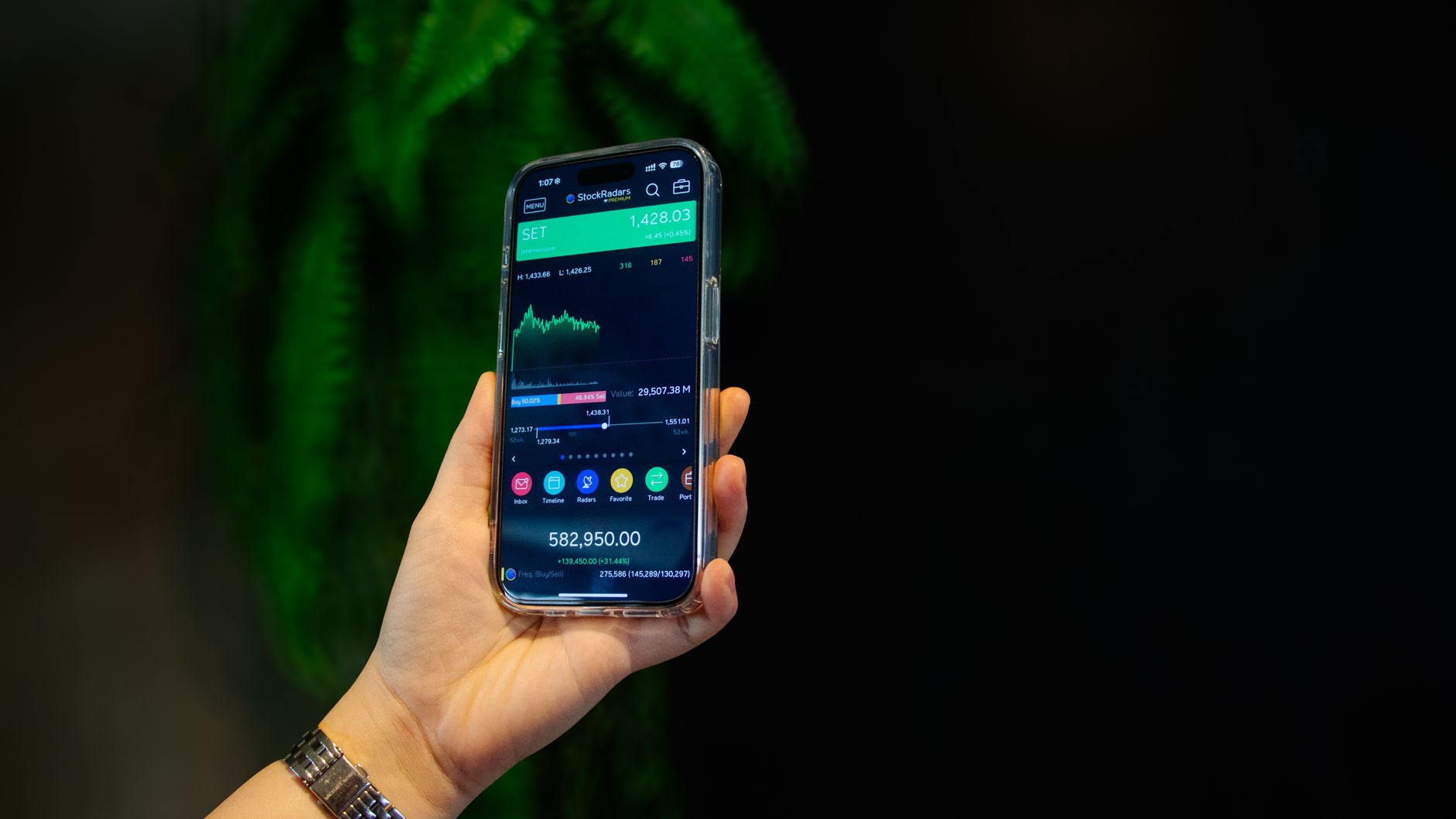
With the rising cost of a single share in some exchange-traded funds on the Saudi market, the idea of fractional shares has emerged as a practical solution for investors who do not have large capital. The concept is simple: instead of buying a full share, you can purchase a portion of it – perhaps 0.01 or 0.25 of a share – and combine it with other investments to build a balanced portfolio.
What is the concept of a fractional share in funds?
A fractional share is a portion of an original share that does not exceed a value of one Saudi riyal. When an investor buys a fractional share, they receive a share of the returns and rights associated with the share, such as dividend distributions or voting rights (in the case of funds that allow this).
In Saudi Arabia, the Capital Market Authority (CMA) has begun permitting the sale of fractional shares in a limited number of exchange-traded funds (ETFs) listed on Tadawul. This measure aims to broaden the investor base and ease the entry barrier for funds with high share prices.
Who can benefit from fractional shares?
Generally, anyone with an amount ranging from 500 to 5,000 Saudi riyals can benefit from this service. The target group includes:
- Students and recent graduates taking their first steps in investing.
- Employees who wish to invest part of their monthly salary.
- Families seeking to accumulate small savings over several years.
Practical steps to start investing in fractional shares
Here is a clear path outlining what is needed to get started:
- Choose a brokerage that supports fractional shares: Not all brokers in Saudi Arabia offer this service. Among the companies that have recently launched it are “Investors Club”, “Smart Investor”, and “Tadawul Capital”. Ensure the company is licensed by the CMA.
- Open an electronic account: The process usually takes 5 to 10 minutes via the mobile app or website. You will need a copy of your national ID, mobile number, and an email address.
- Deposit funds: You can transfer money from your bank account to your brokerage account. Some brokers allow linking your bank account directly to facilitate recurring transfers.
- Select the funds available for fractional purchase: On the brokerage platform, you will see a list of funds that support this feature. Among the most common are:
- ETF tracking the Tadawul 30 index (TASI30)
- ETF for the Saudi renewable energy sector
- ETF for Gulf technology stocks
- Set the amount: Instead of entering the number of shares, you input the amount you wish to invest (for example, 1,200 riyals). The system converts the amount into a fractional number of shares based on the share price at execution.
- Monitor performance and adjust your holding: You can add more funds or withdraw part of your holding at any time, unless the funds have low liquidity.
Fees to consider
When investing in fractional shares, the concept of fees does not disappear; it simply shifts to a slightly different structure:
- Trading commission: Some brokers charge a fixed fee (for example, 2 riyals per transaction) or a percentage (0.15%).
- Spread: The difference between the buy and sell price remains, though it may be lower in funds with high liquidity.
- Annual management fees: These are deducted directly from the fund’s value and do not vary with the size of your holding.
- Transfer fees: If you wish to withdraw money to your bank account, a transfer fee may apply (typically 5 to 10 riyals).
Risks of fractional shares and how to mitigate them
As with any investment, there are risks. The main ones are:
- Market volatility: If the share price rises sharply, you may want to sell your fractional share quickly to avoid loss, but limited liquidity could cause delays.
- Minimum value: In some funds, you cannot withdraw a holding smaller than a certain amount (for example, 1 riyal). Therefore, check withdrawal policies before investing.
- Dividend distributions: In some cases, dividends are paid only on full shares, and any remaining fractional dividends are credited to the investor’s account as cash.
To reduce these risks, it is recommended to follow a dollar-cost averaging approach – investing a fixed amount each month regardless of price fluctuations. This way, purchase costs are spread over different time periods, reducing the impact of price shocks.
Practical tips for new investors
- Start with funds that have high liquidity, such as the ETF tracking the Tadawul 30 index; this ensures there are always buyers.
- Divide your budget across several sectors (energy, technology, consumer) to reduce reliance on any single sector.
- Monitor the fee-to-return ratio (expense ratio); funds with lower fees give you an advantage over the long term.
- Take advantage of the educational tools offered by brokerage firms; many provide free video courses on fractional investing.
- Review your portfolio every six months; you may need to adjust holdings to match changing goals or economic conditions.
Conclusion
Fractional shares in investment funds are not merely a technical idea, but a realistic step that enables Saudi investors with limited budgets to build a growing portfolio without needing to accumulate large sums. With a regulatory environment supported by the CMA and the availability of brokers offering the service, anyone – a student, employee, or family head – can begin their investment journey with just a few hundred riyals.
The key is to stick to a monthly plan, choose low-cost funds, and monitor performance regularly. As fractional holdings accumulate over time, what once seemed a small amount can grow into an investment that contributes to achieving your long-term financial goals.