Funding a Mobile Clinic for Rural Healthcare Services Using Islamic Sukuk
A practical step-by-step guide to funding a mobile clinic in remote villages using Islamic sukuk under a sustainable leasing system.

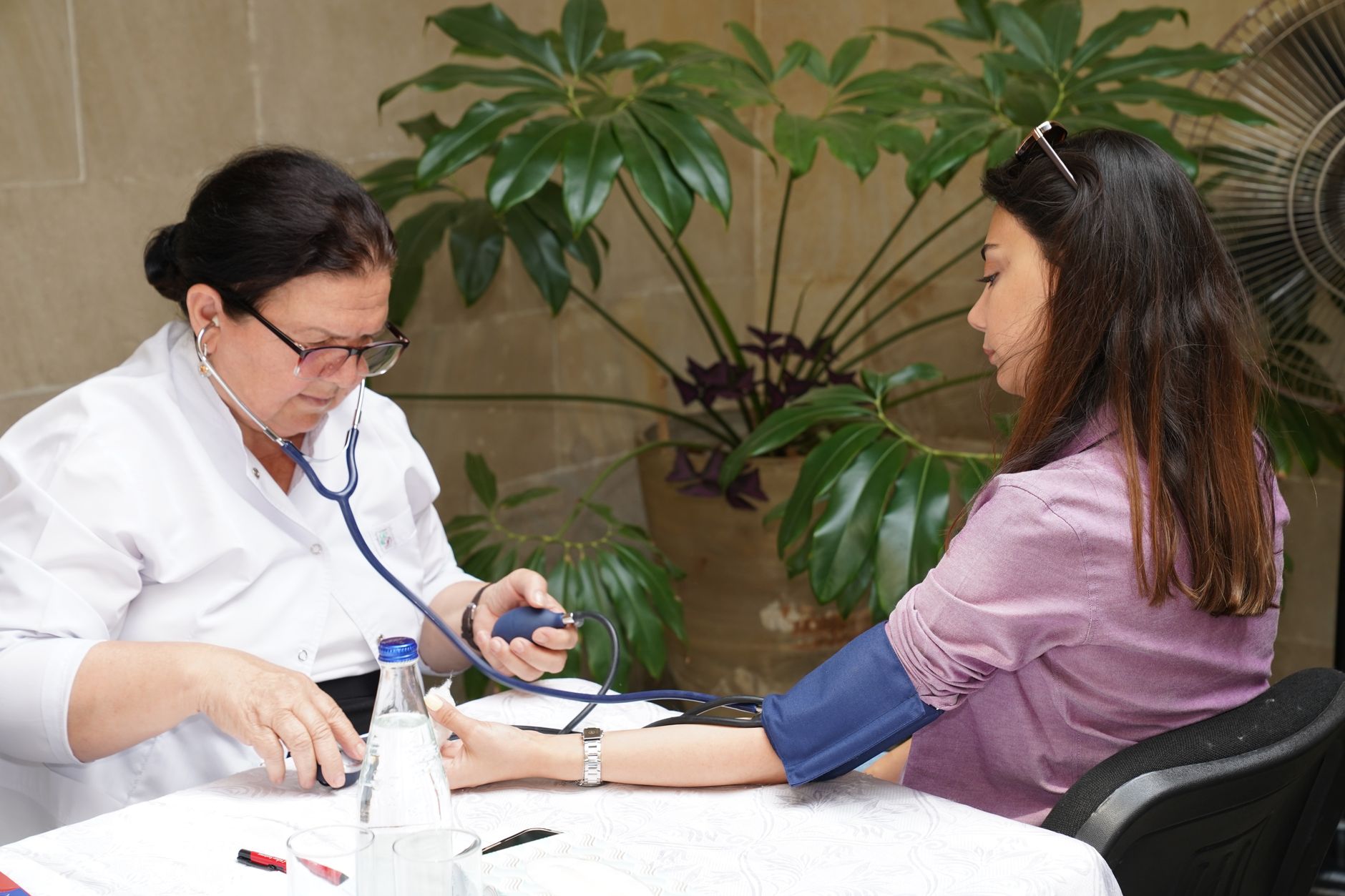
In many rural areas, accessing medical services remains difficult; hospitals are far away, and roads are unpaved. The idea of a mobile clinic operating from a truck equipped with basic medical facilities solves this problem, but financing remains a barrier. In this article, we reveal step by step how an entrepreneur or charity can rely on Islamic sukuk to run a halal mobile clinic project, from choosing the structure to receiving funding.
1. Why sukuk are suitable for a mobile clinic project?
Sukuk are a financing instrument that complies with Sharia, where riba-based interest is not allowed. In the case of the clinic, money is invested in tangible assets – the truck, medical equipment, and diagnostic tools – then these assets are leased to beneficiaries (the villages) under a continuous lease agreement that generates a fixed return for investors.
2. Choosing the appropriate sukuk model
There are two main models that offer suitable solutions:
- Lease-based sukuk (Ijara): Sukuk are sold to investors, then the clinic is leased to them. The return comes from monthly lease payments made by the operating association or company.
- Participation sukuk (Mudaraba or Musharaka): Profits are shared between the investor and the sponsor (operator) according to a pre-agreed ratio. If the number of visits or paid services increases, returns rise for both parties.
Investors often prefer lease-based sukuk because they provide a steady cash flow, which suits projects needing regular instalment payments.
3. Preparing the financing file
Before approaching an Islamic bank or sukuk company, a comprehensive file highlighting the project’s viability must be prepared. Key elements include:
- An executive summary outlining the idea, social goal, and target market (number of villages, population, expected visits).
- A detailed business plan including:
- A list of equipment (truck, blood pressure monitors, ultrasound device, etc.) with their prices.
- Monthly operating costs (fuel, maintenance, staff salaries, medical supplies).
- Revenue projections from services (consultations, tests, basic medicine sales).
- A feasibility study showing the break-even point and when the project will start making a profit.
- A legal framework clarifying that the clinic will operate according to national health standards and with appropriate licences.
These documents serve as proof to investors that the project is not just an idea, but a viable and economically sustainable venture.
4. Choosing the right financial partner
Islamic banks and some sukuk companies in the Gulf and Middle East offer tailored products for social projects. Key selection criteria:
- Experience in financing healthcare or rural projects.
- Flexibility in structuring sukuk to match the project’s size.
- A good reputation for adhering to Sharia principles.
Contact several entities, obtain contract and sukuk models to compare terms, especially the expected return rate and repayment period.
5. Structuring the sukuk and setting the repayment period
When agreeing on lease-based sukuk, the term is usually set between 5 to 7 years. This ensures investors receive a fixed return, while the operator gets enough time to repay the loan and regain ownership.
For example, if the total clinic cost (truck + equipment) is 300,000 USD, investors purchase sukuk worth 250,000 USD (80% of the cost). The remaining 50,000 USD is self-funded by the operating entity to cover part of the initial expenses.
Lease payments are made monthly based on revenue forecasts, with periodic reviews to adjust the instalment if services increase or decrease.
6. Launch procedures and starting service delivery
After receiving funding, the implementation phase begins:
- Purchasing the truck and adapting it to include a consultation area, examination room, and medicine storage.
- Equipping it with medical devices according to standards approved by the Ministry of Health.
- Training the team (doctor, nurse, driver) on operating the clinic and recording patient data.
- Launching an awareness campaign in target villages through local associations and rural officials.
It is preferable to set regular visit schedules (e.g., every three days per village) to ensure stable income and reduce logistical costs.
7. Monitoring and reporting to investors
A key requirement of lease-based sukuk is providing periodic reports showing:
- Revenue collected from each visit.
- Operating expenses.
- Remaining balance of the monthly instalment.
This transparency builds investor confidence and facilitates sukuk renewal if both parties wish to expand the project to other areas.
8. Potential challenges and how to overcome them
Not everything runs smoothly; major obstacles include:
- Fluctuating demand: There may be periods of fewer visits due to farming seasons or weather conditions. Address this by diversifying services (e.g., offering family doctor check-ups or vaccination campaigns).
- Logistical risks: Truck maintenance and fuel supply can become burdensome. Maintain a contingency fund and contract a reliable maintenance workshop to ease pressure.
- Sharia compliance: Ensure fatwa review by a recognised Sharia authority to confirm all sukuk terms comply with Islamic law.
Advance planning reduces surprises and helps maintain sustainable returns.
9. Process summary
The steps outlined show that funding a mobile clinic via Islamic sukuk is not complex if a structured approach is followed: thorough feasibility study, choosing the right model, preparing a strong financing file, and partnering with an experienced financial institution. The outcome is not only financial return for investors, but a tangible improvement in rural health access, aligning with the social responsibility spirit of Islamic finance.
If you have a humanitarian project idea and seek halal financing, do not hesitate to consider lease-based sukuk as a sustainable option. A little planning and commitment to Sharia standards can open doors to transforming thousands of lives.