How to Manage Irregular Expenses and Integrate Them into Your Personal Accounting
A practical guide to tracking and monitoring unexpected expenses, from surprise bills to trips, to keep your financial map clear.

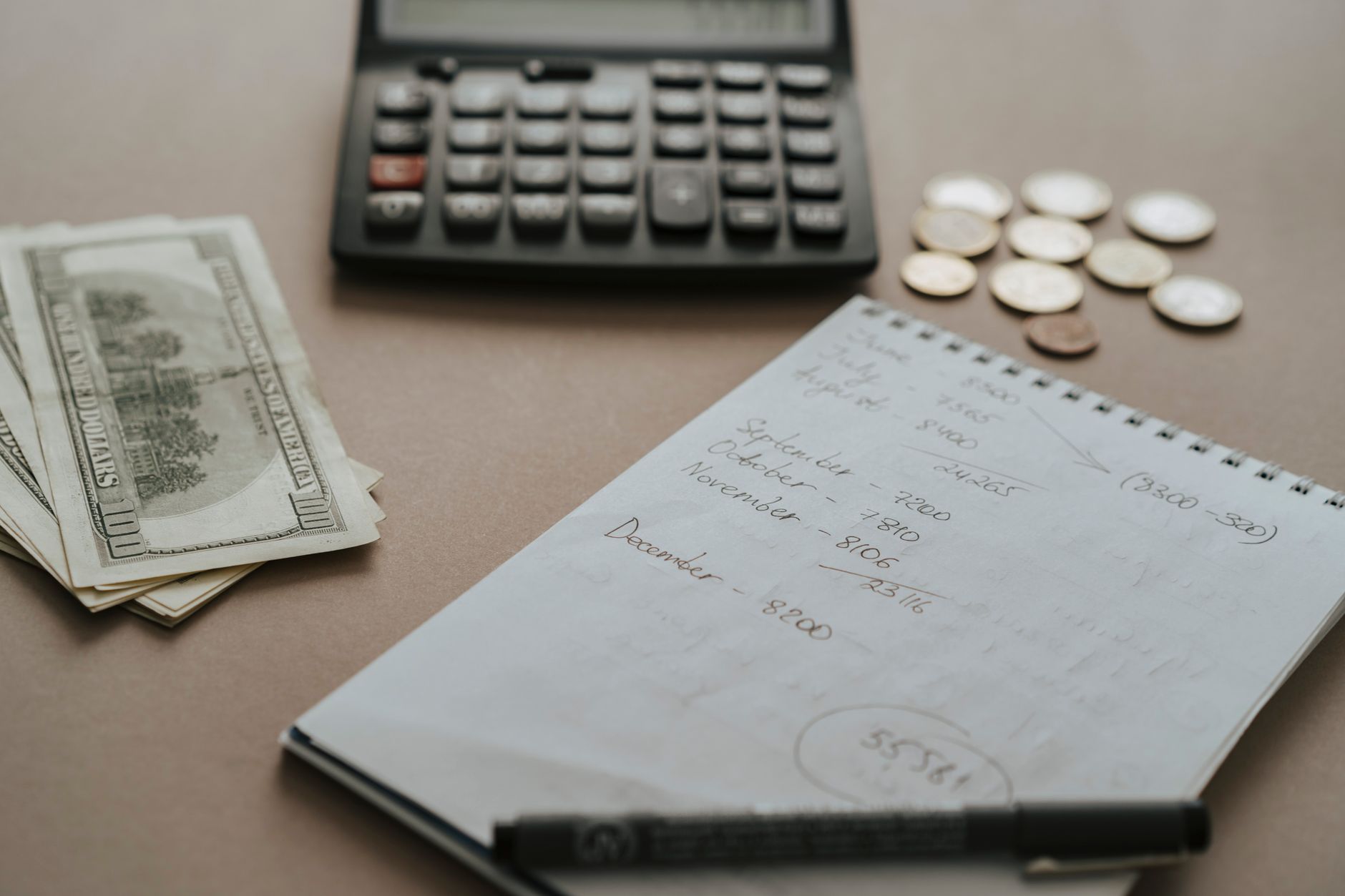
When looking at your monthly expenses table, it becomes clear that most items repeat regularly: rent, water bill, internet subscription. But there are always columns that appear suddenly – maintenance bills, unexpected trips, or even birthday gifts. These irregular expenses are like drops that could overflow the budget container if not monitored.
Why Should We Allocate a Line for Them in Our Accounting
The main reason is their unpredictability. When a fixed instalment is combined with a sudden jump, it becomes difficult to know whether the deficit results from unplanned spending or from insufficient income. If the value of these expenses is known in advance, the plan can be adjusted and the need to resort to debt or reduce future savings can be avoided.
Step One: Defining What Is Meant by Irregular Expenses
Not everything that is non-recurring is classified as an emergency expense. There are expenses that can be anticipated in the medium term, such as servicing your car every six months or renewing your annual insurance contract. Meanwhile, expenses whose timing or value cannot be estimated precisely belong to the category we are dealing with here.
Examples include:
- Sudden home repairs (water leak, electrical fault).
- Bonuses or emergency gifts for relatives.
- Short trips or unplanned outings.
- Cost of emergency treatment or medication not covered by insurance.
Step Two: Creating a Dedicated Fund for Irregular Expenses
The idea is simple: each month, allocate a portion of your income to fill the emergency fund for this category. You do not need a fixed percentage; it can be adjusted based on your past history. If you notice that the average emergency expenses last year were 3000 riyal, you can divide it by 12 months (250 riyal) and deposit this amount into a separate savings account.
Using financial apps such as Google Sheets or Notion makes tracking the fund easy. Create a column titled “Irregular Expenses Fund” and record each entry. When an unexpected event occurs, withdraw the amount from the fund instead of borrowing.
Step Three: Document Every Unexpected Expense Immediately When It Occurs
Discipline is the crucial element. When you receive a maintenance invoice or pay for a surprise flight ticket, record it immediately in your digital ledger. Do not leave it for tomorrow; forgetfulness leads to repeated unplanned spending.
Here is a quick method to record expenses via phone:
- Open an accounting app that allows quick entry (such as Money Manager).
- Select the category “Irregular Expenses”.
- Enter the amount, date, and a note explaining the reason (“Water heater maintenance”).
- Save, and it will appear in your monthly report as a separate item.
Step Four: Regular Review and Pattern Analysis
Every three months, sit down with yourself and review the transactions you have recorded. Does a certain type of expense recur? Are there opportunities to reduce them? A common example: many people discover they are paying extra fees because they failed to notice a small leak in the plumbing until the repair became costly.
Using a simple chart (vertical axis for amount, horizontal axis for time), you can see expense variations and identify periods when they rise. This allows you to adjust the deposit percentage into the emergency fund before the increase occurs.
Step Five: Integrating the Fund with the General Savings Plan
The fund should not be isolated from your major financial goals. Set a clear target, for example, “Save 10,000 riyal for emergencies within a year”. When the fund approaches the goal, reassess the need for monthly deposits or consider transferring part of the savings to higher-return investments.
Remember that the fund does not aim to close every investment opportunity, but to provide sufficient liquidity to cover surprises without derailing long-term plans.
Practical Tips to Reduce the Size of Irregular Expenses
1. Preventive maintenance: Allocate time every six months to inspect household appliances. Prevention costs less than emergency repair.
2. Compare prices before purchasing: Even for non-recurring items, such as a last-minute flight ticket, use search engines to find the best deal.
3. Take advantage of seasonal offers: If you are planning an emergency trip, look for discounts on hotel or flight bookings before deciding.
4. Keep records of invoices: Organised PDF files make it easy to review what has been paid and prevent duplicate invoices due to misunderstanding.
Conclusion
Irregular expenses should not be an unwelcome surprise on your budget. With a dedicated fund, immediate recording, and regular review, they become an element that can be managed. The result: a clear financial map, less worry when unexpected bills appear, and greater ability to seize opportunities without being hindered by unforeseen burdens.


