How Invoice Timing Affects VAT for Freelancers
Learn how invoice timing impacts VAT for freelancers and avoid common mistakes.

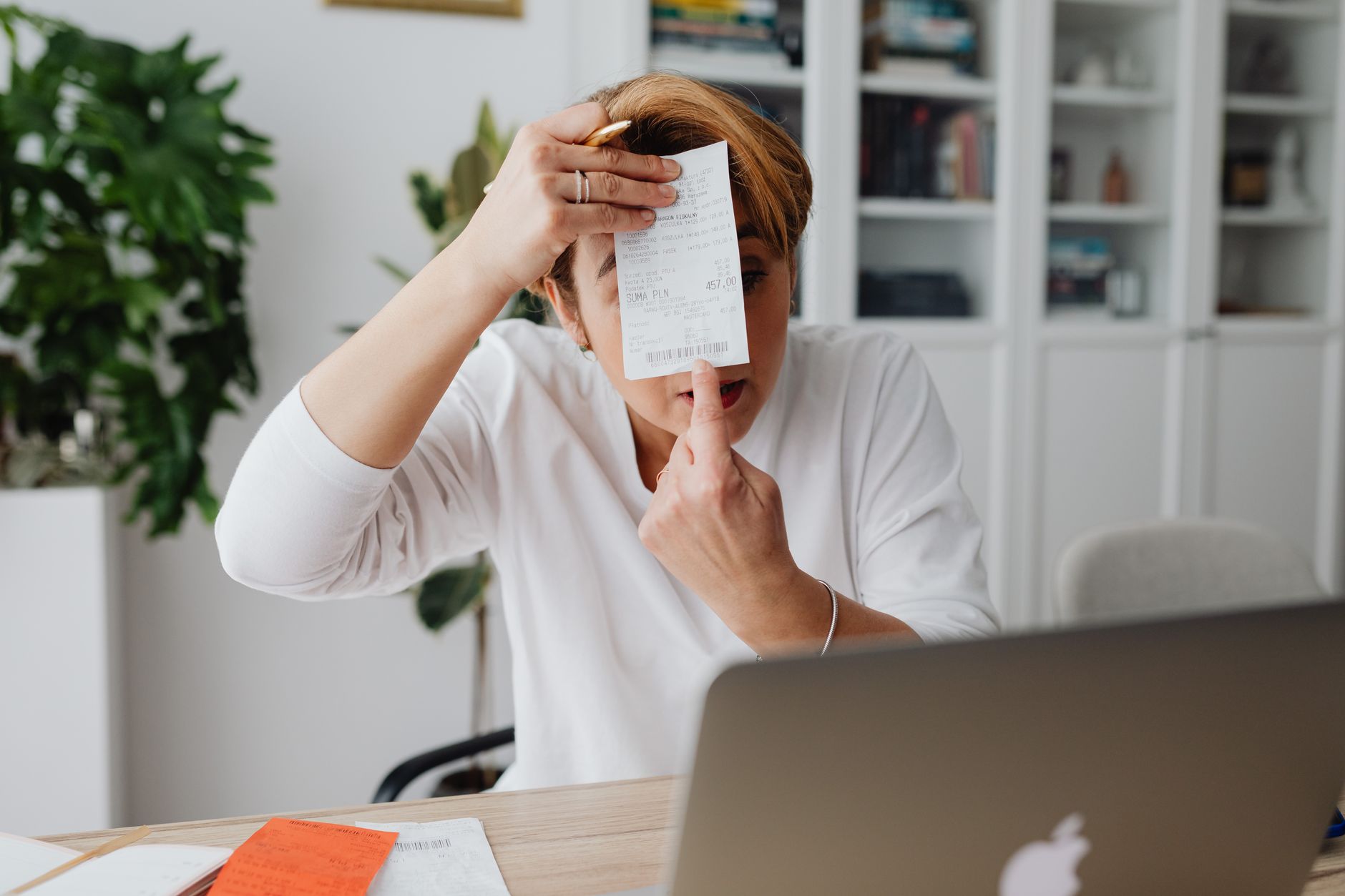
Every time a freelancer completes a project or delivers a service, they face two simple but important questions: When should I issue the invoice? And what is the tax impact of that moment? It’s not just about organising paperwork; it extends to calculating the value added tax (VAT) you pay to the General Authority of Zakat and Tax.
The Basic Rule for Invoice Timing
The law requires that an invoice be issued at the moment the commercial transaction is completed or when payment is received, whichever comes first. If payment is delayed, the invoice is still due on the date of completion. This is where differences may appear in your tax return.
The Impact of Early Invoicing
Issuing an invoice before the date of receipt may seem like a good idea to speed up cash flow, but it carries risks. With early invoicing, VAT is calculated based on the date stated on the invoice, not the actual date of payment. If payment is delayed, you may end up paying VAT on sales that haven’t yet occurred, which could cause a cash flow shortfall.
Real-world example: A marketing consultant provides a service on 10 March but decides to issue the invoice on 5 March to speed things up. If payment arrives on 20 March, they must pay VAT according to the invoice dated 5 March, meaning they bear an extra amount in the first month of the financial year.
The Impact of Late Invoicing
On the other hand, delaying invoice issuance until after payment is received may seem safe for cash flow, but it can create a gap between sales and VAT. If the invoice is issued after the financial closing date (such as month-end or quarter-end), the transaction will be recorded in the following tax period, which may increase or decrease the total VAT due depending on accumulated sales levels.
Practical example: A freelance programmer completes an app on 28 February and receives payment on 3 March. They choose to issue the invoice on 10 March. In this case, the transaction is entered in the second quarter’s return, which may delay VAT payment but reduce the VAT burden in the first quarter.
Invoice Timing Strategy for Freelancers
To balance tax cash flow and compliance, follow this approach:
- When the service is completed, record the completion date in your internal system.
- If payment is expected within 30 days, issue the invoice on the same day, clearly stating the due date.
- Use electronic invoicing to record the date accurately, as modern software automatically preserves the timestamp.
- If there is a clear delay in payment, do not backdate the invoice; keep the original document and attach a note explaining the actual payment date.
This way, the tax amount remains fixed according to the law, and the chances of complications in your tax return are reduced.
How to Handle Invoice Timing Errors
If you discover that an invoice was issued with an incorrect date, do not hesitate to correct it. The authority allows corrections via a credit note that shows the difference between the original date and the correct date. It is preferable to issue this note promptly to avoid potential penalties.
Here are quick steps to correct an invoice:
- Identify the disputed invoice in your system.
- Create a correction note stating the correct date and reason.
- Attach a copy of the original invoice to the note.
- Submit the correction in your next tax return to ensure the difference is accounted for correctly.
Final Tips to Reduce Tax Surprises
1. Keep a clear record of every transaction, including completion dates, invoices, and payments.
2. Use invoicing software that supports automatic date stamping and links data directly to your tax system.
3. Monitor quarterly tax filing deadlines and ensure all invoices are issued within the target periods.
4. If your work pattern changes (for example, shifting from instant services to long-term contracts), reassess your invoicing timing strategy.
Applying these steps will give you greater clarity in calculating tax and help you avoid unexpected payments that could hinder your cash flow. Remember, an invoice is not just a piece of paper; it drives your tax calculation.