Journey into the World of Banks: From Choosing the Best to Managing Your Accounts Wisely
Learn how to choose the best banks, steps to open a bank account, types of accounts such as savings accounts, and how to use a credit card wisely to manage your money effectively.

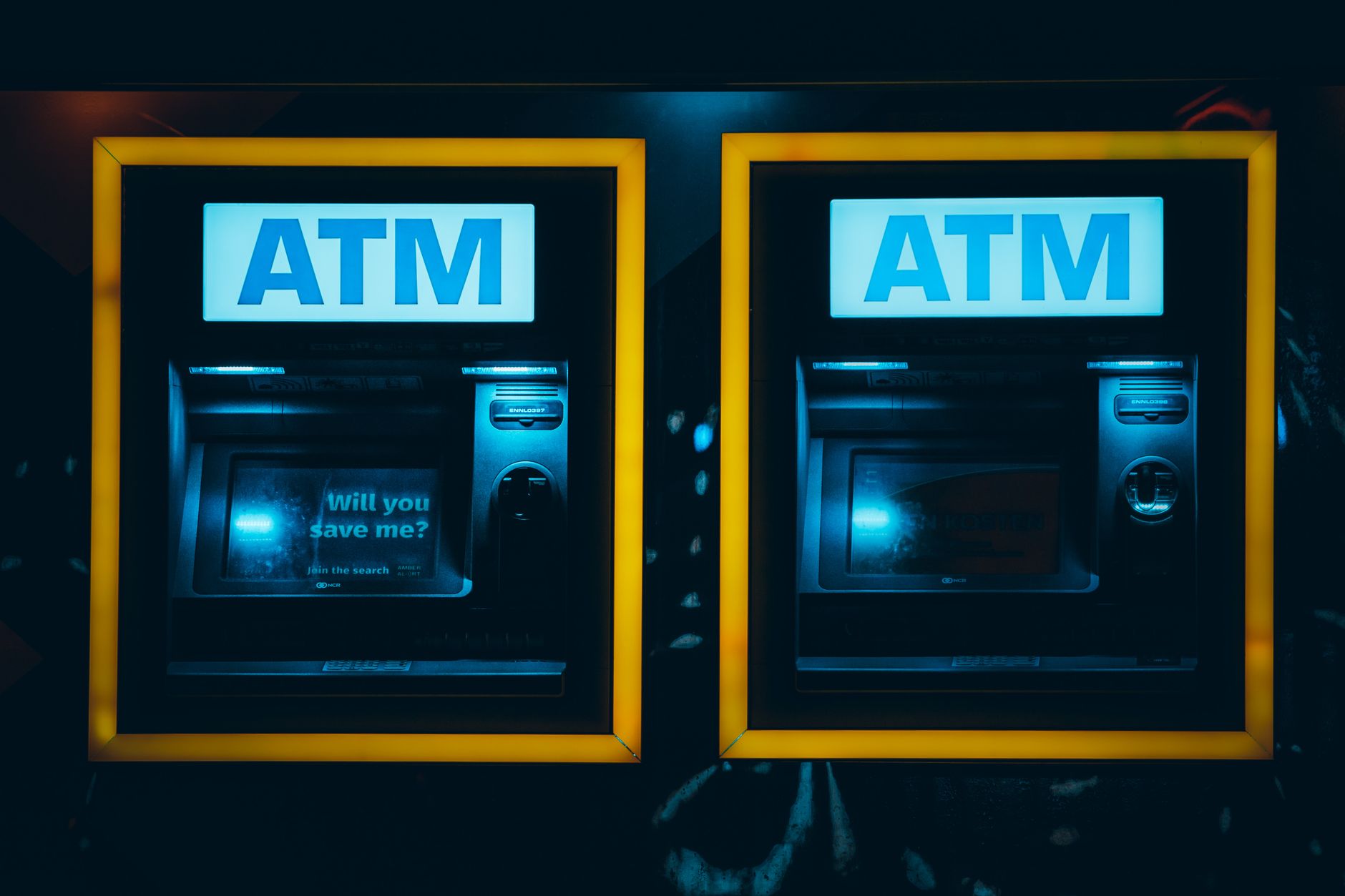
Banks are a fundamental part of our daily financial lives; they are not just places to keep money, but essential partners in managing our wealth and facilitating transactions. With the rapid development of the banking sector, choosing the best banks and their diverse services has become a task requiring knowledge and awareness. This article aims to provide a comprehensive guide to help you understand banking mechanisms, how to open a bank account, and deal with various financial tools such as credit cards and savings accounts, to ensure effective and informed financial management.
Choosing the Right Bank: Your Journey to the Best Banks
The first step towards wise financial management begins with choosing a bank that suits your needs and aspirations. There is no single bank that is best for everyone; it depends on your personal priorities. When looking for the best banks, consider several key factors:
- Fees and charges: Compare account opening fees, monthly or annual fees, transfer fees, and ATM withdrawal fees from other banks’ machines.
- Range of services: Does the bank offer all the services you need? Such as current accounts, savings accounts, deposits, loans, and online banking services and apps.
- Branch and ATM network: The availability of branches and ATMs in the areas you frequent.
- Digital services and technology: Ease of use of banking apps, online banking services, and level of digital security.
- Customer service: How quickly and effectively customer service responds to resolve issues and provide support.
- Reputation and reliability: Look for customer reviews and the bank’s reputation in the market to ensure you are dealing with a trustworthy financial institution.
Steps to Open a Bank Account Easily
Once you have identified the most suitable bank for you, comes the step of opening a bank account. This process has become simpler and smoother thanks to technological advances. Here are the basic steps and documents usually required:
Basic documents required:
- Proof of identity: A valid national ID card or passport for foreigners.
- Proof of address: A utility bill (electricity, water) or a rental agreement showing your address.
- Proof of income: A salary slip from your employer, or a bank statement for the last three months, or a trade licence for self-employed individuals.
Step-by-step process:
After preparing the documents, you can visit the nearest bank branch or even start the process online with some banks that offer this service. You will fill out an application form, submit the documents, and may be asked to deposit an initial amount to open the account. The bank will review your application and, upon approval, activate your account and issue a debit card and cheque book if you requested them.
Types of Bank Accounts: Savings Account and Beyond
Bank accounts vary to meet different financial needs, the most prominent being the current account and savings account.
-
Current account:
This is the basic account for daily transactions, allowing you to easily deposit and withdraw money, pay bills, and issue cheques. This type of account usually does not offer any interest on the balance.
-
Savings account:
Designed specifically for individuals who wish to save money and earn a return on it. Savings accounts offer interest on the balance, and this rate varies from bank to bank and account type to account type. Usually, there are limits on the number of withdrawals per month to maintain its savings nature.
-
Fixed deposit accounts:
These allow you to deposit a certain amount for a fixed period (such as 3 months, 6 months, or a year) in return for a higher interest rate than a savings account. You cannot withdraw the funds before the agreed maturity date without losing part of the interest or breaking the deposit.
Credit Cards and Debit Cards: Your Daily Financial Tools
Bank cards are vital tools for managing money. There are two main types serving different purposes:
-
Debit card:
This is directly linked to your current account. When used, the amount is deducted directly from your available balance. It is a safe and convenient way to pay without carrying cash.
-
Credit card:
This is a short-term loan granted by the bank with a set credit limit. You can use it to make purchases or cash withdrawals within this limit, then repay the amount later. A credit card offers financial flexibility and purchase protection, but must be used responsibly to avoid debt accumulation and high interest.
Digital Banking Services and the Future of Banks
Digital banking services have radically transformed financial dealings. Banking apps and online banking allow you to manage your accounts, make transfers, pay bills, and even apply for loans and credit cards from anywhere and at any time. These digital conveniences have made banking more efficient and faster, and have led to the emergence of fully digital banks that do not rely on traditional branches.
Conclusion
In conclusion, understanding the world of banks and their diverse services is vital for anyone seeking financial stability. Choosing the best banks, knowing how to open a bank account that suits your needs, and using tools such as credit cards and savings accounts wisely are all essential steps towards building a secure and prosperous financial future. Always remember that knowledge is the key to making sound financial decisions.
Disclaimer: This content is for educational and informational purposes only and does not constitute financial or investment advice. Consult a professional before making any financial decision.


