The Secure Bank: Practical Steps to Choose an Institution That Protects Your Financial Data
A practical guide to choosing a bank that safeguards your money and eliminates digital fraud risks.

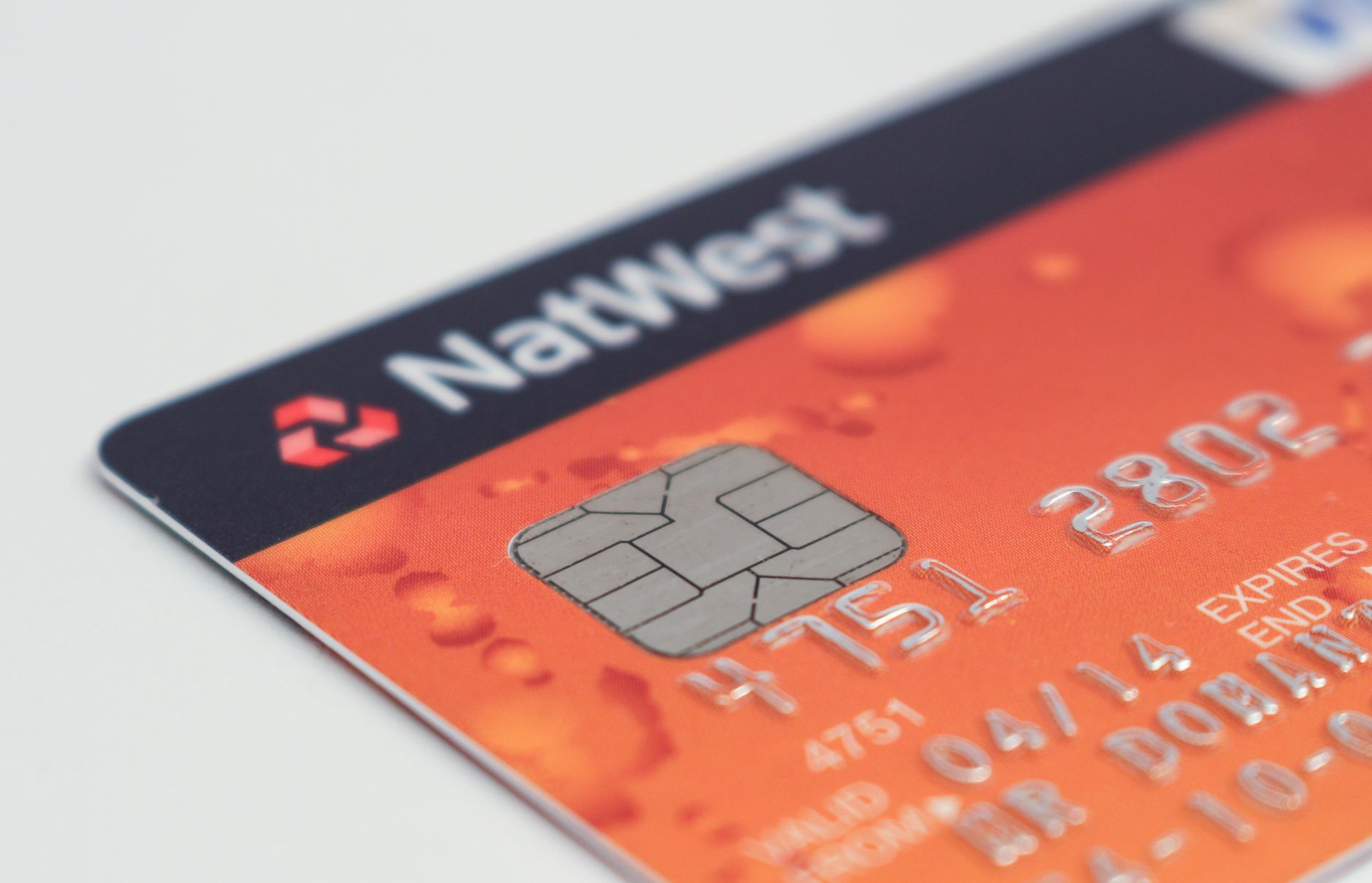
When thinking about opening a new bank account, many are drawn to promotional offers or quick benefits. But what often remains unclear is how secure the personal data the bank will handle actually is. In an era where digital fraud attempts and system breaches are increasing, choosing a bank that puts data protection at the top of its priorities becomes a necessity, not a luxury.
1. Check security certifications and compliance
The first practical step is to review whether the bank holds recognised certifications such as ISO 27001 or PCI DSS. These certifications show that the institution has undergone independent audits to secure a strong technological infrastructure. If you find the bank mentioning these certifications on its website or in its governance report, this is a good sign that it has clear policies for protecting information.
2. Examine the privacy policy with a critical eye
Often customers skim privacy policies, reading only a few lines, but the details lie in whether the bank shares your data with third parties for marketing purposes. Look for phrases like “we share your data with our partners” or “we use your data to personalise offers”. If the text is clear and allows you to opt out easily, this adds a step towards controlling your information.
3. Test multi-factor authentication mechanisms
Try logging into the bank’s app or website. Does it ask for a password only, or does it also require a code sent to your phone or email? Systems that support multi-factor authentication (MFA) act as a barrier against hackers. Some banks even offer facial or iris recognition as an additional option; testing this feature shows how ready the bank is to face breaches.
4. Monitor past breach records
Not every bank boasts a history free of breaches, but what matters is how it responded. Look for news or reports indicating previous security breaches. If the bank has announced corrective measures, such as updating protocols or compensating affected customers, this is evidence of transparency and the ability to learn from mistakes.
5. Evaluate the system for unusual activity alerts
Security is not just about prevention; it also involves early warning. Make sure the bank sends instant alerts when an unusual withdrawal occurs or when a login attempt is made from a different geographic location. For example, Ali received an immediate text message when an unknown person tried to withdraw a large sum from his account; the early alert enabled him to stop the transaction before his money was lost.
6. Review the mechanism for encrypting exchanged data
When using the bank’s app on your phone, sensitive information such as account numbers and passwords is exchanged. Ensure the connection uses HTTPS with TLS 1.2 or higher encryption. If the app requests unnecessary permissions like access to contacts or the camera, this is a warning sign of potential unjustified data collection.
7. Test customer support on security matters
Contact the support team and ask about the security procedures for changing a password or temporarily closing an account. A prompt and detailed response indicates that the bank trains its staff to protect customers. An immediate test, such as requesting two-factor authentication activation via a phone call, shows how ready the service is.
8. Weigh benefits against digital risks
Some banks offer high returns or low fees to attract customers, but these offers may come with weaker security. Be sure to balance the expected benefit with the level of protection provided; do not undervalue the safety of your funds for a temporary reward.
9. Rely on customer experience in the digital community
Read user reviews on forums or review sites. Customers often share their experiences of identity theft or information loss. If you find repeated complaints about account breaches or difficulty restoring security, proceed with caution.
10. Final decision on selection
After gathering all this information, set a simple criterion: does the bank have trusted security certifications? Does it use multi-factor authentication? Are its privacy policies transparent? Does it have a record of swift response to past breaches? If most answers are yes, you can be confident that the bank will keep your data safe.
In conclusion, protecting banking data is not the bank’s responsibility alone; it is a partnership between the customer and the institution. By following the practical steps outlined above, you will be able to choose a bank that not only offers suitable financial services but also gives you peace of mind in every financial transaction you make.


