Saving from Spare Change: How to Use Purchase Round‑Up to Build Savings Easily
Learn how purchase round‑up and collecting spare change can save you money effortlessly, step by step with real‑life examples.

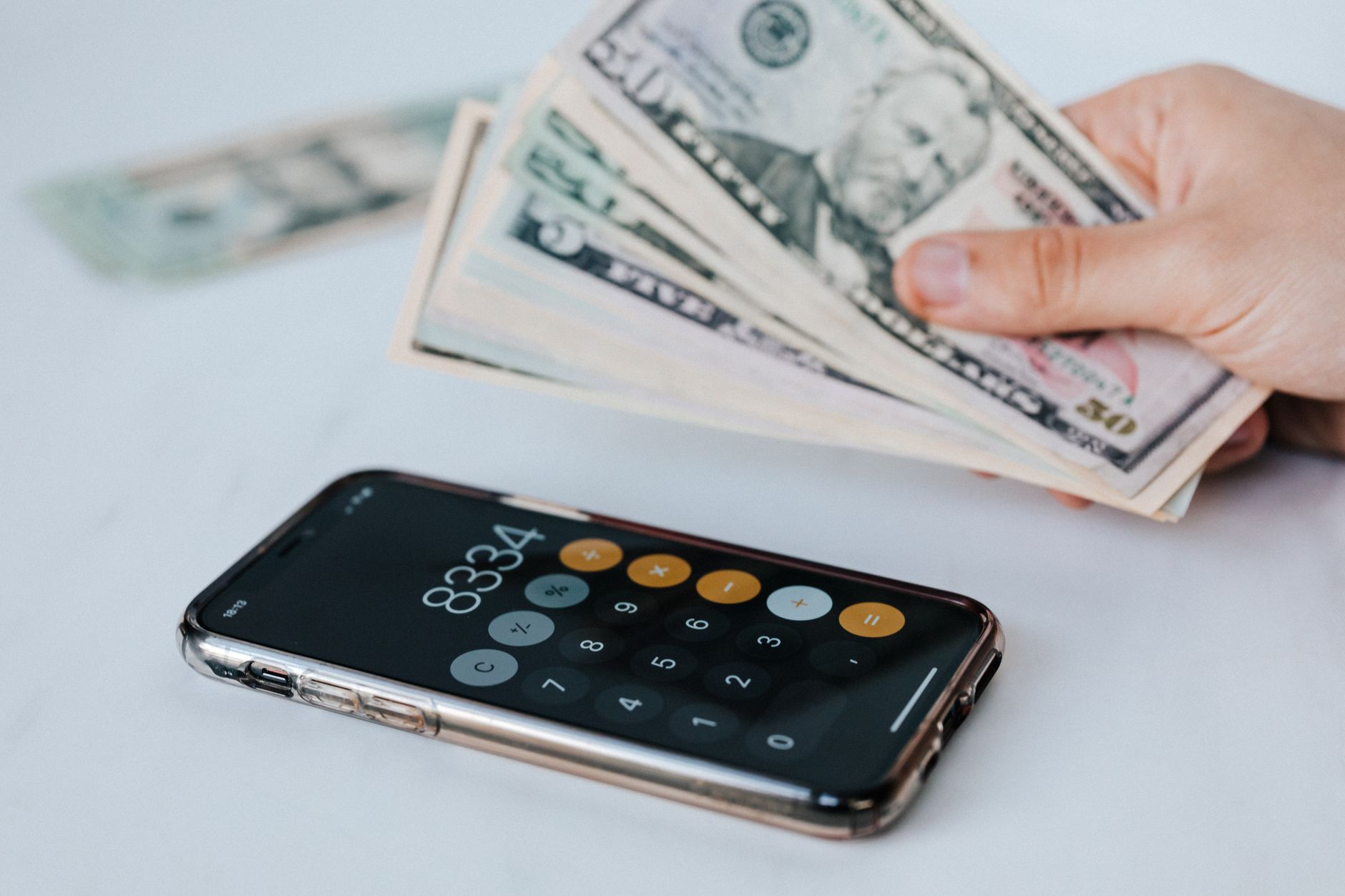
Every time you pay with a bank card or through an e‑wallet app, you might feel the spare change left over isn’t worth the hassle. But it’s a hidden opportunity that can be turned into steady savings if you use the “purchase round‑up” feature, also known as Round‑up. The idea is simple: each purchase is rounded up to the next highest monetary unit, and the difference is moved automatically to a savings account. Thus, the spare change that used to pile up in your pocket becomes a noticeable sum over time.
What is the purchase round‑up feature?
Some digital banks, credit‑card companies, and savings apps such as Acorns or Qapital offer this service as part of their financial package. When you buy something for £23.70, the transaction is rounded to £24.00, and £0.30 is deducted from your main account and transferred instantly to a dedicated savings pot.
Why does this method work?
Success does not depend on the size of the difference per transaction, but on the number of transactions. If you average 15 transactions a day, the daily difference can reach £2–£3. In one month, that becomes £60–£90, an amount that might go unnoticed if not kept in a separate account.
Steps to implement the idea in practice
1️⃣ Choose the right tool: Look for a bank or app that offers the round‑up feature. Make sure any monthly or annual fees do not exceed the expected spare change, otherwise you’ll erode your savings.
2️⃣ Create a dedicated savings account: Do not mix the spare change with your general balance. Open a separate account with a clear name like “Spare Change Savings” to make tracking easy.
3️⃣ Set a daily cap for the spare change: Some apps let you choose a percentage or a maximum daily amount. If your income is limited, pick a low cap to avoid unexpected financial pressure.
4️⃣ Schedule regular withdrawals of the surplus: Instead of leaving the spare change in the savings account indefinitely, set a monthly transfer to an investment account or an emergency fund. This gives you a sense of achievement and helps direct money toward bigger goals.
5️⃣ Review performance every three months: Open a simple report in the app, monitor the total spare change, and assess whether the current rate suits your spending pattern.
Real‑life examples
* Example 1: Ali buys a coffee for £3.45 every day. With round‑up, each transaction becomes £4.00, and £0.55 is deducted. Over a month (30 days), Ali saves £16.50 just from coffee.
* Example 2: Sara uses her credit card to buy household items worth £149.20. The transaction rounds to £150.00, and £0.80 is deducted. If she makes such purchases 12 times a year, that yields an extra £9.60.
* Example 3: Karim buys an app or game on his phone for £9.99. The difference of £0.01 seems negligible, but if he buys 20 apps a year, it adds up to £0.20. Rounding to £10.00 gives a difference of £0.01 × 20 = £0.20, a small amount that shows the idea works at any level.
Managing spare change with fluctuating income
When income is irregular, the spare change can strain a tight monthly budget. Therefore, it’s preferable to link the round‑up feature to a daily or weekly limit that matches your average spending. If the limit is exceeded, the deduction pauses temporarily until your finances stabilise.
How to make the idea sustainable
Ensure the spare change does not become an extra cost. Some banks may charge a fee per round‑up transaction, so choose a service that does not impose fees on withdrawals or transfers. Also, keep a record of transactions to avoid any miscalculation.
From idea to habit
Start with a simple step: open an app that supports round‑up, activate the feature, and set a daily limit. After two weeks, compare what you used to spend with what you’ve saved. You’ll notice the spare change turning into a tangible balance, which feels rewarding and encourages you to expand the use to other categories like online payments or shopping at large retailers.
In the end, the spare change wasted on small bills or minor purchases is an untapped source of savings. Moving it to a savings or investment account needs no extra effort, but it does require picking the right tool and managing limits carefully. Try it now and watch how spare change turns into real money that can help you reach your financial goals.


