Starting a Commercial AC Maintenance Business with Islamic Murabaha Financing: A Practical Guide for Entrepreneurs
Practical steps to finance a commercial AC maintenance business using Islamic murabaha, from preparing a business plan to signing the bank contract.

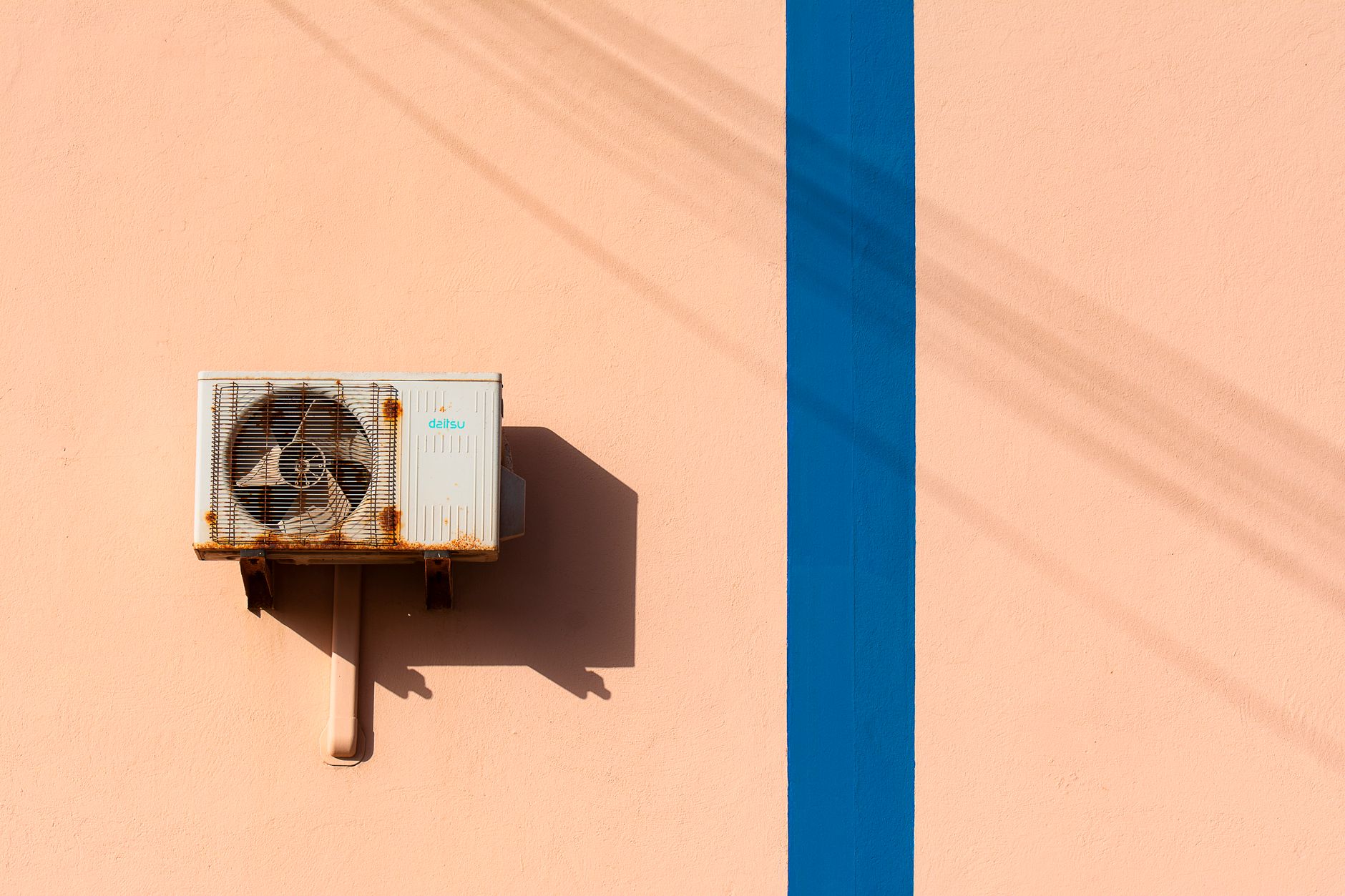
Maintaining air conditioning systems in commercial buildings is an activity with steady demand, especially as temperatures rise in most regions. If you have technical expertise or a maintenance team and are considering turning the idea into a formal company, you may wonder how to uphold Sharia principles while benefiting from halal financing. In this article, I explain step by step how to finance a commercial AC maintenance business through murabaha, without ambiguity or complexity.
Why Murabaha Suits the Maintenance Sector
Murabaha is a sale contract in which the bank purchases the asset (for example, maintenance equipment or a fleet of vans) and then sells it to you at a price that includes profit, added to an agreed repayment period. The basic idea is that the bank does not share in operational risks, but it provides you with initial capital to establish the company without interest.
In the AC maintenance field, you need:
- A store for tools and spare parts.
- A van or truck to transport technicians.
- Software to manage appointments and invoices.
All these assets can be financed through a clear murabaha contract, and you recover the cost with a fixed profit over three to five years, according to your estimate of monthly payments.
Step One: Prepare a Realistic Business Plan
Before approaching any Islamic bank, you must have a business plan containing accurate figures. Here is what you need to cover:
- Local market analysis: Number of companies, restaurants and commercial complexes requiring regular maintenance.
- Estimate of monthly sales volume: Expected number of contracts and fee per service.
- Operating costs: Technicians’ salaries, equipment maintenance, spare parts cost, warehouse rent, and administrative expenses.
- Required financing: Total value of assets to be financed via murabaha.
- Break-even point: When the company’s revenues are expected to cover all expenses and begin generating profit.
This list of figures will show the bank that the project is not merely an idea, but a well-researched venture.
Step Two: Choose the Right Islamic Bank
Not every Islamic bank offers murabaha products for financing commercial assets. Look for banks with a specialised section for financing small and medium enterprises. Some criteria for evaluating the bank:
- Existence of flexible murabaha products (repayment period, fixed or variable profit rate).
- Speed of response from the specialised team in assessing the application.
- The bank’s reputation for adhering to Sharia standards.
You can request online comparisons or ask other entrepreneurs who have benefited from Islamic financing.
Step Three: Prepare Documents and Submit the Application
You will usually be asked to provide:
- A copy of the project owner’s identity (national ID or passport).
- Commercial registration (if available) or a registration application.
- The detailed financial business plan.
- A list of required equipment (with prices from reliable suppliers).
- A bank statement showing the ability to cover monthly payments.
Ensure that all figures in the plan match the price lists you will submit to the bank; any discrepancy may lead to rejection.
Step Four: Sign the Murabaha Contract and Understand Its Terms
After bank approval, it will send you a draft contract. Key points to review:
- Final sale price: The total of the asset cost plus the bank’s profit.
- Repayment period: Number of months or years, with a clear repayment schedule.
- Amendment clauses: If you wish to make additional payments or adjust the repayment period.
- Guarantees: Usually, the bank requires a charge over the asset (equipment) as security.
If anything is unclear, do not hesitate to consult a Sharia adviser or a lawyer specialising in Islamic finance before signing.
Step Five: Receive Assets and Launch Operations
The agreed amount is transferred to your account, and you purchase the equipment from suppliers. Be sure to document each purchase with a tax invoice to facilitate cash flow tracking.
After that, you can:
- Hire a qualified technical team (preferably with certified AC maintenance qualifications).
- Set up appointment booking systems via phone or web app.
- Launch marketing campaigns targeting local companies, emphasising punctuality and quality.
Practical Tips for Managing Cash Flow
Murabaha does not change the fact that the project requires continuous cash flows. Here are some tricks that have helped other entrepreneurs:
- Ask customers to pay part of the contract value upfront (30 %) to reduce financial pressure.
- Use simple accounting software to record invoices and due dates, and to send automatic reminders to customers.
- Maintain a reserve fund covering three to six months of instalments in case of payment delays.
Conclusion: A Real Opportunity for Sharia-Compliant Entrepreneurs
Financing a commercial AC maintenance business through murabaha combines financial stability with respect for halal values. The idea is not new, but careful planning and adherence to Sharia conditions open the door to sustainable income. Start now by preparing your business plan, contact an Islamic bank offering accessible murabaha, and you will find that the path to your project’s success through halal financing is shorter than you imagine.