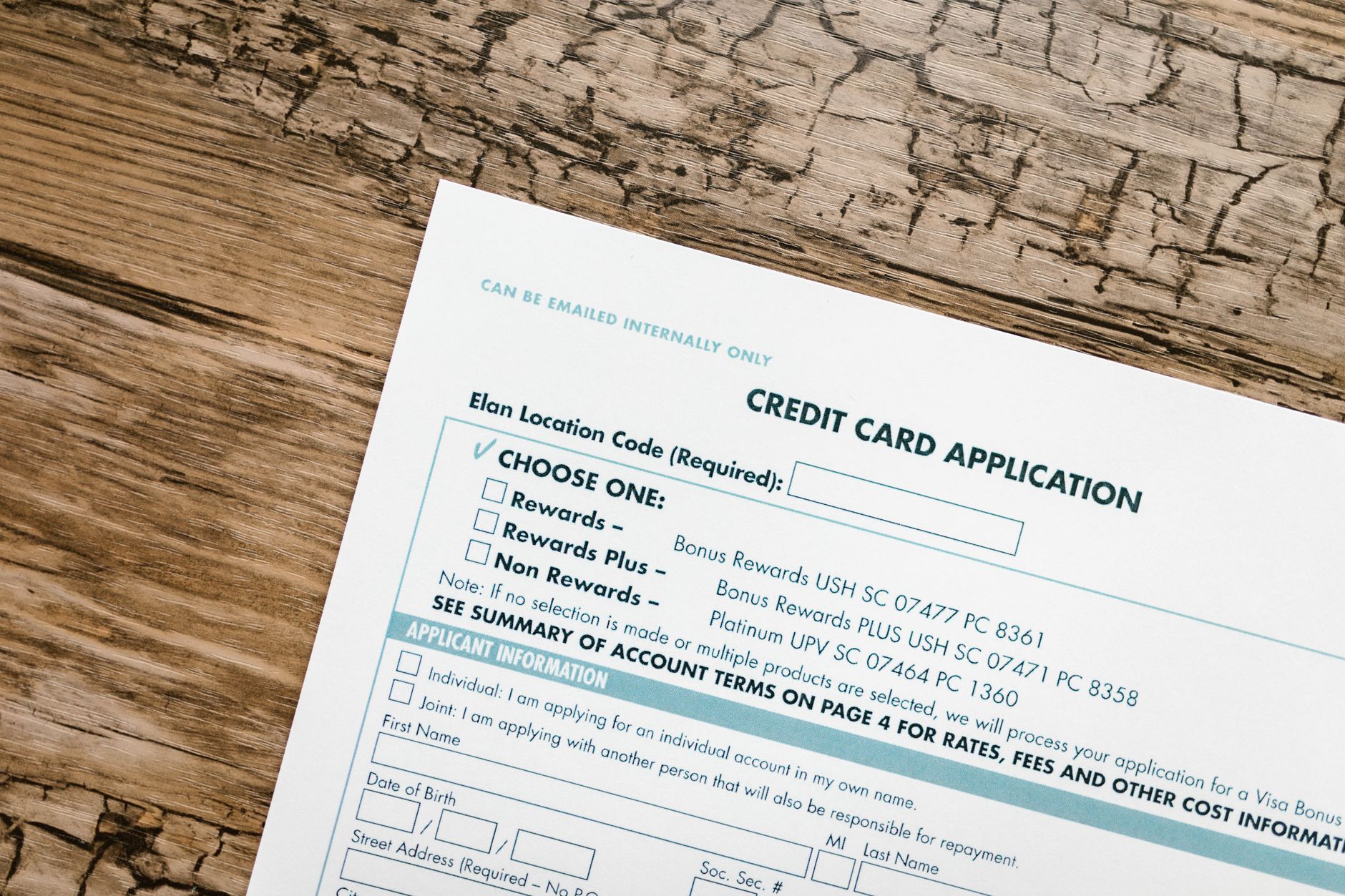
Emergency Home Loan: Is It the Right Choice When Facing an Unexpected Disaster?
A practical guide to using a personal loan as a home emergency fund, when to consider it, eligibility criteria, and top tips to avoid debt traps.


Imagine Sarah, a mother of three, returning home after a hard day’s work to find the living room ceiling suddenly leaking water. There’s no time to wait, and her emergency budget isn’t enough to cover the repair. In that moment, the key question arises: should she take out a personal loan to pay the immediate bill, or wait until she has saved enough?
Why Might You Need an Emergency Home Loan?
An emergency loan is more than just a way to get cash; it’s a tool you can rely on when unexpected expenses exceed your household budget. Situations where a loan makes sense include:
- Burst water pipes or severe leaks threatening the building’s safety.
- Damage from fire or sandstorms destroying parts of the home.
- Urgent repairs to heating, ventilation, or electrical systems to prevent power loss.
In each of these cases, time is critical; delaying maintenance can significantly increase costs or pose greater risks to occupants.
Alternatives Before Taking a Loan
Before signing any agreement, it’s wise to review available options to reduce reliance on high-interest borrowing:
• Emergency fund: If you have savings set aside for emergencies, use them first. The fund’s purpose is to cover unexpected costs without debt.
• Home insurance: Some policies cover water or fire damage. Check the terms; repair coverage may be partial only.
• Zero-interest credit card: Some banks offer interest-free periods on large transactions. Ensure you clear the balance before the period ends to avoid interest.
• Family financing: In some families, temporary support from relatives can replace a commercial loan.
If none of these alternatives are available or sufficient, a personal loan becomes a realistic option to obtain the needed funds quickly.
How to Choose the Best Personal Loan Offer for Emergencies?
Choosing a loan isn’t just about getting money fast; it requires careful assessment of the following financial criteria:
- Annual Percentage Rate (APR): The lower the rate, the less the loan costs over time.
- Repayment term: Shorter terms reduce total interest but increase monthly payments. Choose what fits your monthly repayment capacity.
- Additional fees: Some lenders charge origination fees, early repayment fees, or late penalties. Calculate all costs before deciding.
- Security or guarantor requirements: Unsecured loans usually carry higher interest but don’t require you to pledge assets.
- Credit history: The lender’s assessment of your credit determines loan suitability. A poor score may push you toward alternative lenders with higher rates.
Before signing any contract, compare at least three offers and use a loan calculator to determine total repayments over the term.
Practical Steps to Apply for a Loan
1. Determine the required amount: Calculate repair costs accurately and avoid borrowing more than necessary.
2. Check your repayment ability: Factor in all other monthly commitments; the loan shouldn’t strain your budget to the point of insolvency.
3. Gather required documents: Typically, these include ID, a three-month bank statement, and proof of income (pay slips or tax return).
4. Submit the application online or at a bank branch: Most financial institutions allow online completion to speed up approval.
5. Review the contract carefully: Look for early repayment penalties or hidden costs not shown in the initial offer.
Tips to Reduce Loan Burden After Receiving It
Once you have the loan, the main goal is to repay interest as quickly as possible:
- Pay extra whenever you can, especially in months with no unexpected expenses.
- Allocate part of the loan to rebuild your emergency fund after repairs, to avoid needing another loan later.
- Regularly review your household budget to prevent recurring debt.
Real-world example: Mohammed took a personal loan of 15,000 SAR to fix a sodium city water pipe leak. He chose a 9% APR over 12 months and repaid the amount in 10 months by adding an extra 2,000 SAR each month. Thanks to early repayment, he cut total interest to 540 SAR, instead of 1,080 SAR had he stuck to the full term.
Conclusion
A personal loan remains an effective tool for covering home emergencies when savings and insurance fall short. The key is honest self-assessment, thorough comparison of offers, and sticking to a realistic repayment plan. Used wisely, the loan can shift from a financial burden to a bridge that closes the gap between necessity and affordability, while preserving long-term budget stability.