How to Turn Credit Card Cashback into Automatic Investment to Boost Your Savings
A practical guide to choosing a credit card that turns cashback into automatic investment and avoids extra fees.

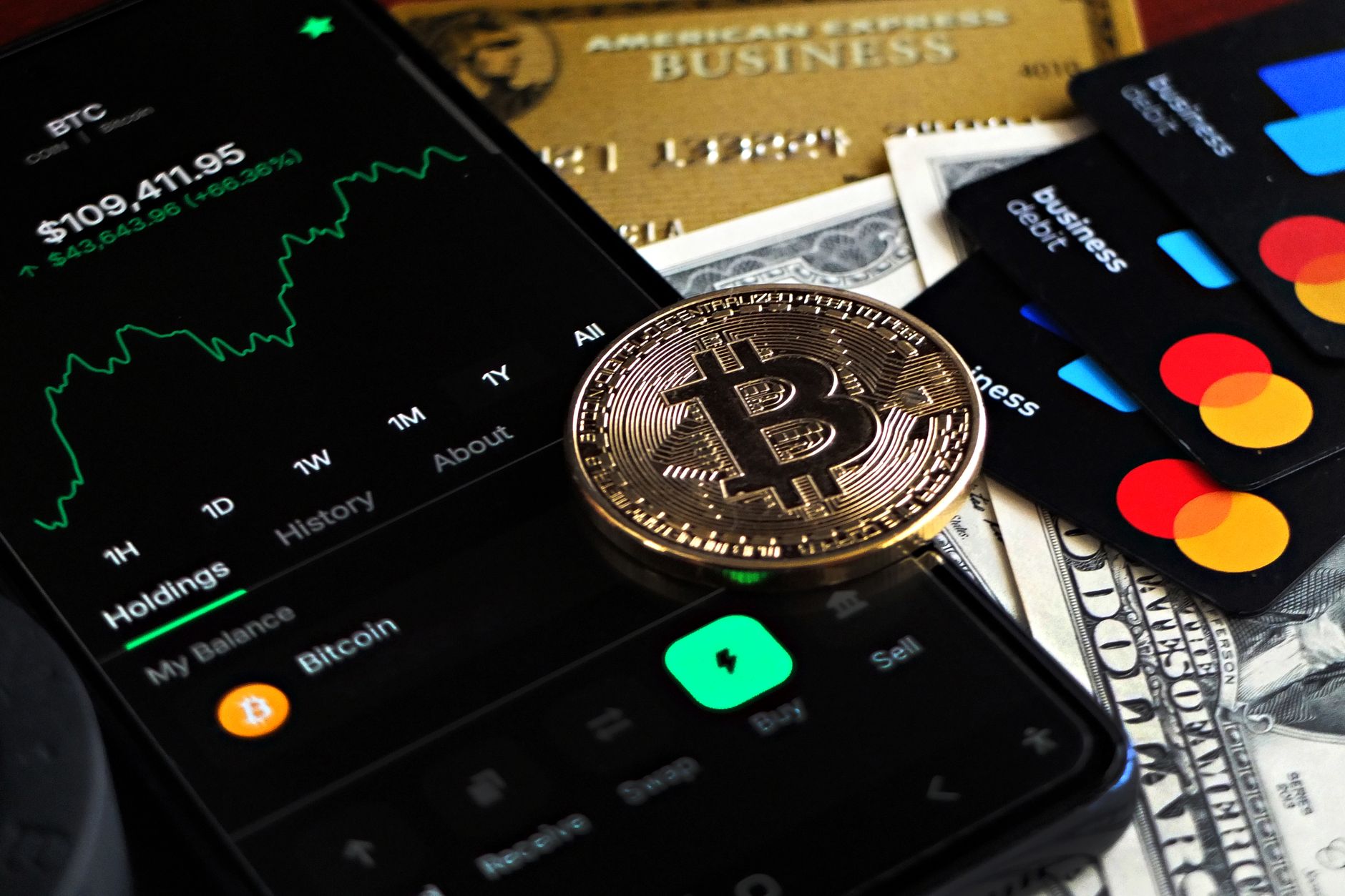
In an era where financial rewards have become a core part of the shopping experience, a new question arises for savvy consumers: can the cashback from my credit card be turned into an investment that earns a return, rather than just sitting as a balance in the account? The answer is yes, but it requires carefully choosing the card that supports this feature.
Why Prefer Turning Cashback into Investment?
Traditional saving remains in a savings or current account, with returns low compared to available investment tools such as exchange-traded funds or high-yield savings accounts. When cashback is turned into investment, every small spending becomes a source for accumulating capital that grows over time. The idea is similar to turning every coffee purchase or online withdrawal into a small share or investment unit; over months, the total becomes larger than mere reward points.
What Features Should You Look for in a Credit Card Supporting Automatic Conversion?
Not every card offering cashback can convert it directly into investment. Here are the key points to check before deciding:
- Automatic conversion capability: The card must allow transferring rewards to a partner investment account or an e-wallet that supports investment without manual requests.
- No fees on conversion: Some cards charge fees (from 1 to 3 %) for converting cashback to investment. Choose a card that waives these fees or offers them free.
- Variety of investment options: A card offering choice between exchange-traded funds, high-yield savings accounts, or even supported cryptocurrencies.
- Minimum conversion threshold: If the threshold is high (e.g. 100 dollars), it may outweigh the expected benefit. Cards with a low or no minimum are best.
- Cashback rate: Do not limit benefit to conversion ability; the redemption rate should be reasonable (2‑3 % on general purchases, or higher in specific categories).
- Clear notification system: Track transfers via the bank’s app or website, and ensure you can pause or modify the process at any time.
How to Choose the Right Card Step by Step
1. Define your investment goal. If you want to build an emergency fund, you may prefer a high-yield savings account. If you seek long-term growth, exchange-traded funds or stocks may be a better option.
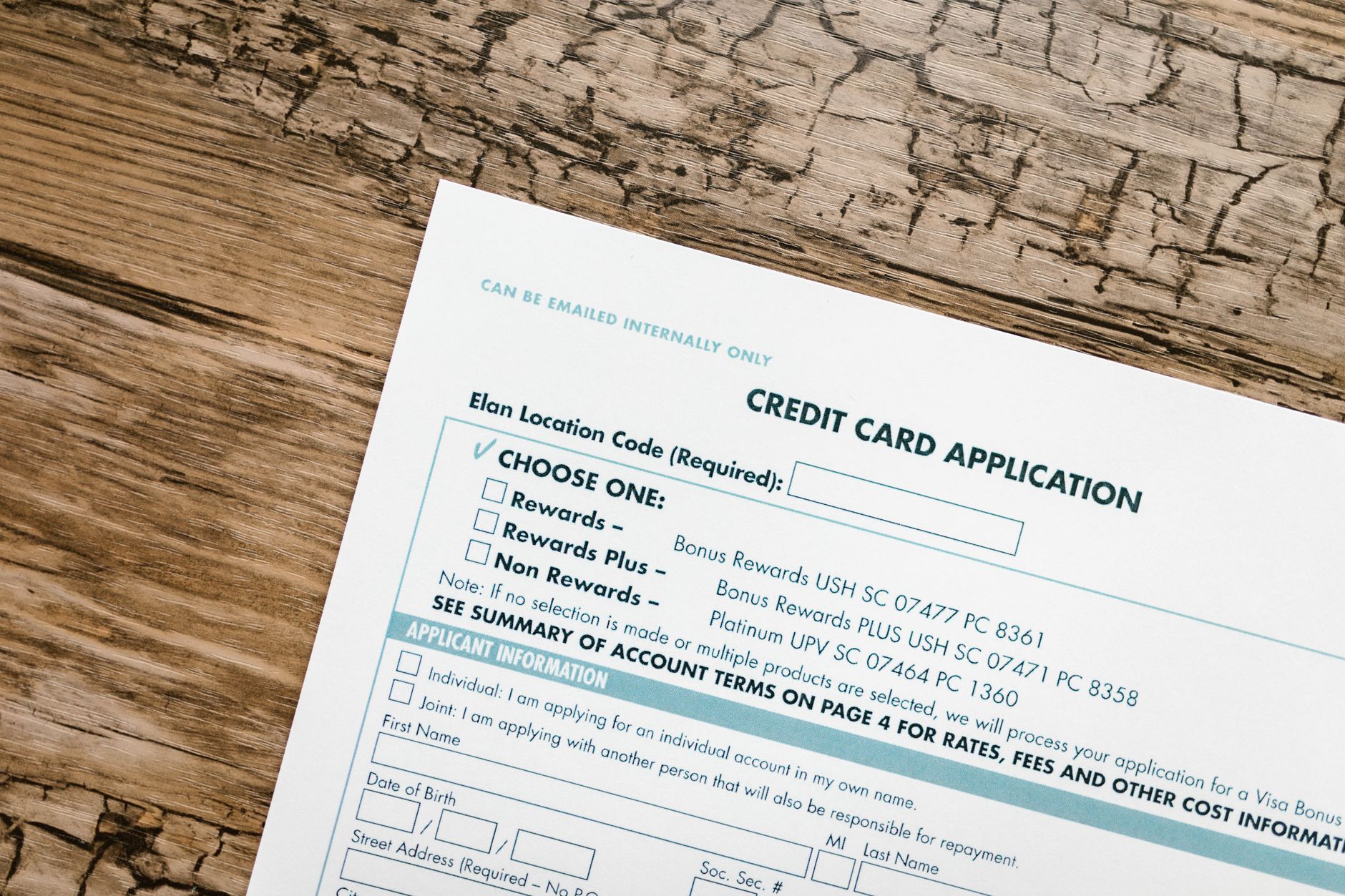
2. Compare available cards in the market. Search financial sites for cards offering “cashback to invest”. Review conversion terms, fees, and minimums.
3. Check the bank’s partnership with an investment platform. Some banks collaborate with firms like Robinhood, Stash, or even local funds. A trusted partnership ensures fast and secure transfers.
4. Try a demo account if possible. Some platforms let you link your card and test conversion with virtual money before committing.
5. Watch for welcome offers. You may get a signup bonus (e.g. 50 dollars) that can be converted directly into investment, boosting your initial capital.
Practical Example: Mohammed’s Journey with the “Your Investment” Card
Mohammed, 29, works in digital marketing and uses multiple credit cards. He decided to choose a new card allowing him to turn cashback into a high-yield savings account. After research, he found the “Your Investment” card offering 1.5 % cashback on all purchases, with the ability to convert rewards to the “Seven Saving” account (a savings fund yielding 3.5 %) with no fees.
Mohammed’s steps were as follows:
- He signed up for the card and benefited from the welcome offer giving him 30 dollars cashback.
- He linked the “Seven Saving” account via the app and set automatic transfer whenever the balance reached 10 dollars.
- Thanks to the cashback rate, when he bought household items worth 500 dollars, he earned 7.5 dollars cashback, which transferred directly to the savings account.
- After six months, cashback transfers accumulated to 250 dollars, and from there he benefited from interest, reaching approximately 260 dollars.
The point Mohammed highlights is that rewards left in the account do not grow unless invested; automatic conversion saved him time and effort, turning the reward into real savings.
Tips to Limit Risks
Turning cashback into investment does not mean eliminating all risks. Here are some preventive measures:
- Ensure the investment platform is registered with your country’s financial market authority.
- Do not rely on cashback conversion to cover credit card debt; debt interest is usually higher than any investment return.
- Review your monthly statement to confirm transfers occurred correctly.
- If you notice increased maintenance fees or reduced cashback rate, reassess the card.
Conclusion
Turning cashback into investment can be a smart step to build savings subtly but continuously. The key is choosing a card that combines a good cashback rate, automatic conversion without fees, and a partnership with a trusted investment platform. By following the steps above, you will turn every purchase into a small piece of capital that grows over time, becoming part of your overall financial strategy.