Rural Internet Financing via Islamic Sukuk: A Step Towards the Digital Future
Practical guide to obtaining Islamic sukuk for financing rural internet projects, with explanation of review steps and financial structuring.

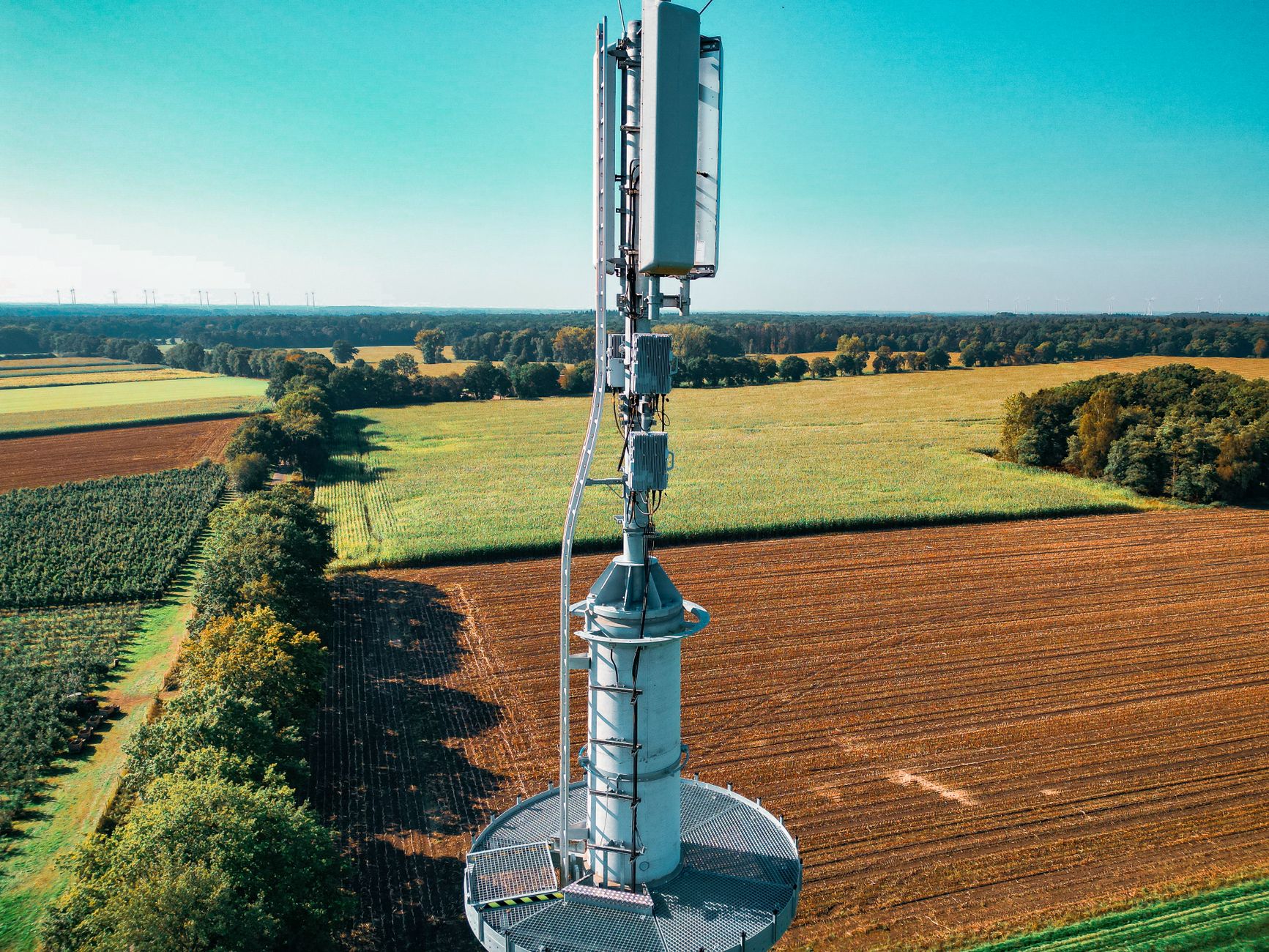
In areas where internet connectivity remains scarce, providing a fast and stable network service is not merely a luxury, but a necessity for strengthening the local economy and enhancing education and employment opportunities. When an entrepreneur or local authority decides to launch a rural internet project, they face a fundamental challenge: securing capital that complies with Sharia principles.
Why Sukuk Are a Suitable Option?
Islamic sukuk, whether lease-based (Ijarah), rental, or participation-based (Mudarabah), provide financing free of interest. For investors who prefer Sharia-compliant instruments, sukuk are attractive because they combine genuine returns with adherence to Sharia guidelines.
In the case of a rural internet project, financing can be structured in two common ways:
- Lease-to-Own Sukuk (Ijarah): The bank or financial institution purchases the technical equipment (towers, cables, devices) and then leases it to the project for a specified period. The operating entity pays periodic rent and either recovers the asset at the end of the contract or purchases it at an agreed price.
- Participation Sukuk (Mudarabah): The investor provides the capital, while the operator manages the project. Profits are distributed according to an agreed ratio, while the investor bears any loss if the project fails to achieve expected profitability.
Both models ensure the absence of riba (interest) in the transaction and establish a clear partnership between the financier and the beneficiary.
Step One: Preparing the Project File
Before submitting a sukuk application, it is essential to prepare a comprehensive file outlining the idea, costs, financial viability, and how Sharia compliance will be maintained. It is recommended that the file include:
- An executive summary explaining the need for internet in the target area and the expected number of beneficiaries.
- A market analysis highlighting local competition and growing demand for digital services.
- A detailed technical plan specifying the type of technology (4G/5G, fibre optics, satellite) and its cost.
- Estimates of operating revenue and expected net profit over several years.
- A mechanism to ensure Sharia compliance, such as review by Sharia advisors and the presence of a clear lease agreement.
Preparing a clear file increases the chances of approval and reduces additional requirements that the bank or sukuk company might request.
Step Two: Selecting the Sukuk Issuing Entity
The Islamic market has seen diversity in licensed entities authorised to issue sukuk, ranging from Islamic banks to specialised investment funds. Offers should be compared based on:
- Issuance cost (fees and commissions).
- The timeframe for issuing the sukuk.
- Experience in financing technical infrastructure projects.
Choosing an entity with experience in telecommunications projects ensures that the terms are appropriate for the nature of the equipment and lease contracts.
Step Three: Structuring the Sukuk and Determining Guarantees
In the lease-to-own model, the equipment serves as the primary guarantee; therefore, it is necessary to document the bank’s ownership of the equipment and specify the lease period (typically 5–10 years). In the participation model, ownership rights in the network are considered to belong to the investors, and the profit-sharing ratio is determined according to the Mudarabah contract.
It is also important to include a “loss settlement” clause in case insufficient returns are generated; this clause ensures that the investor bears the loss as agreed, without imposing any riba on the operator.
Step Four: Submitting the Funding Application and Follow-Up
Once documentation is complete, the application is submitted to the selected issuing entity. The process typically includes:
- Sharia review to ensure the structure complies with Islamic law.
- Assessment of the creditworthiness of the operating entity.
- Negotiation of the lease rate or profit-sharing ratio.
The process usually takes between 6 and 12 weeks on average, so it is essential to establish a realistic timeline before commencing project implementation.
Step Five: Implementing the Project and Monitoring Performance
With the sukuk issued and funding secured, the technical team begins installing the infrastructure. It is essential to put in place a monitoring system to track:
- The number of active subscribers.
- Monthly billing revenue.
- Operating maintenance costs.
Performance reports are sent periodically to investors, demonstrating that the project achieves the agreed returns, thereby building confidence and attracting new investors for similar projects.
Practical Tips for Entrepreneurs
1- Begin with a Detailed Feasibility Study. Do not rely solely on projected figures; calculate low scenarios to assess the ability to meet lease payments.
2- Engage a Sharia Specialist. Having a Sharia scholar or advisor review the contracts reduces the risk of violating Islamic principles.
3- Document Every Stage. Legal and financial records facilitate follow-up and enhance credibility with investors.
4- Plan for Future Expansion. When selecting a technology (e.g., 4G), consider the possibility of upgrading to 5G or expanding the geographical coverage.
5- Involve the Local Community. Engaging residents in the planning stages increases uptake rates and reduces the risk of failure.
By applying these steps, Islamic financing via sukuk becomes an effective tool for activating rural internet projects, opening new horizons for the region in distance education, e-commerce, and digital health services.
Ultimately, what distinguishes sukuk is their ability to combine religious values with economic development needs, making them an attractive option for entrepreneurs seeking to create added value without violating Sharia guidelines.