Your Musical Loan: Is Investing in Your Instruments Worth It?
A practical guide to assessing the viability of a personal loan for buying or renewing musical instruments, with tips to avoid financial pitfalls.


The moment a hobbyist or professional musician decides they need a new guitar, electric piano, or small orchestra set, the idea of a personal loan often arises as the quickest way to fulfil the desire. It’s not just about owning an instrument; it’s about striving to improve performance levels or opening doors to work opportunities that might not be available without the right equipment.
Musical instruments are not cheap goods. Some used models can cost several thousand dollars, while advanced models are made from rare materials and require precise manufacturing techniques. Added to this are maintenance costs, accessories, and educational books, which push the overall budget higher than many imagine.
Before considering a loan, ask yourself: will this investment yield a tangible return, or is it merely satisfying a temporary passion? If you aim to record an album, perform live regularly, or teach music in a way that generates steady income, the loan may be a logical step. But if the plan is just a short trial, it’s better to save up or rent equipment instead.
The alternatives go beyond just taking a loan. Saving a fixed monthly amount builds a dedicated fund for purchase, and may even let you get a cash discount when you buy once the amount is saved. Renting offers flexibility, especially if you’re unsure about the type or brand that suits you. In some cases, shops offer interest-free financing plans, waived if instalments are paid on time.
How to Choose the Right Loan for Buying Musical Instruments
When looking for a loan offer, focus on four factors you should not overlook:
- Effective interest rate: shows the true percentage you’ll pay on the loan, not just the advertised rate.
- Repayment term: the longer the term, the lower the monthly payments, but the higher the total interest paid.
- Additional fees: some banks charge administration fees, early repayment fees, or even loan renewal fees.
- Repayment flexibility: the ability to adjust or defer payments without penalties is a valuable advantage if your financial situation changes.
Don’t hesitate to ask for a detailed breakdown of all costs before signing any contract. A loan that looks low-interest may carry hidden fees that turn it into an unexpected financial burden.
Steps to Apply for a Personal Loan to Buy Musical Instruments
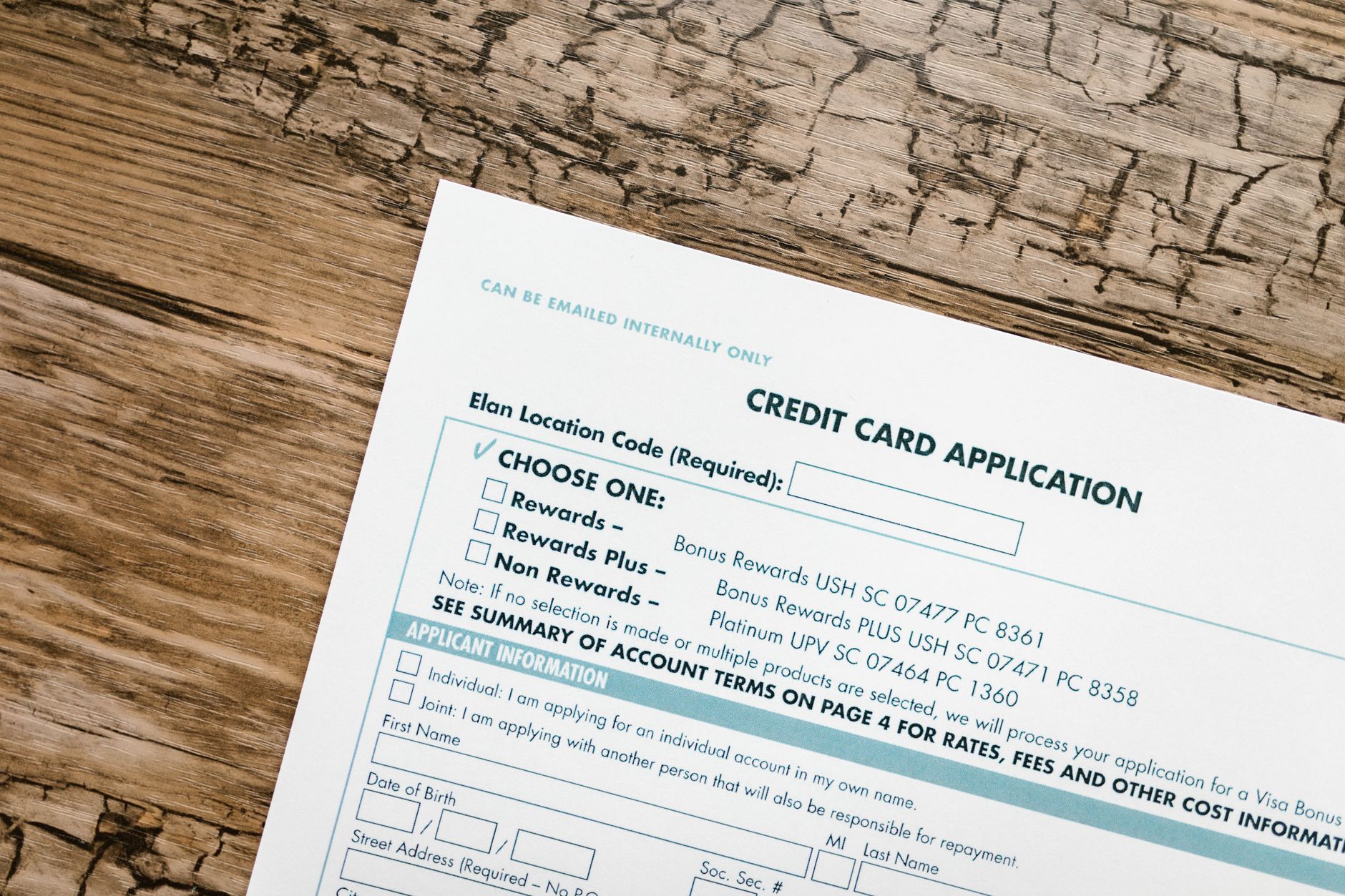
1. Prepare identity documents, proof of income, and bank statements for the last three months. 2. Determine the exact amount needed, attaching quotes for the instruments you intend to buy. 3. Choose the lender offering the best mix of interest and flexibility. 4. Fill out the application form online or on paper, ensuring all data is correct to avoid delays.
After submitting the application, the lender will assess your repayment ability using a model that compares your income and fixed expenses. If your application is accepted, you’ll receive a formal offer outlining all terms. Do not sign the offer until you’ve read it fully and consulted an expert if needed.
Managing Repayment Wisely to Avoid the Financial Trap
Once you receive the loan, set a clear repayment plan in your monthly budget. Allocate a fixed amount for repayment and do not exceed it; make it a non-negotiable priority. If you can pay extra before the due date, you’ll reduce accumulated interest and shorten the loan term.
Maintain a regular payment record; this boosts your credit score and improves your chances of getting future loans on better terms. If you face temporary difficulty, contact the lender immediately to negotiate a temporary adjustment in instalments rather than defaulting.
When to Say No and Look for Other Alternatives
If the expected total interest exceeds 15 % of the loan amount, or if you find yourself cutting essential expenses like food or housing to cover payments, it’s time to reconsider. Likewise, if your goal is merely a short musical experiment, renting instruments or buying well-maintained used ones may be wiser.
Remember that a loan is not just a financial document; it’s a commitment that affects your budget for years. So before clicking “I agree”, ensure you fully understand every financial aspect and are confident the expected return covers the extra cost.
In conclusion, a personal loan can be an effective tool to fund your musical passion if used wisely. Follow the steps for proper evaluation and choice, and always be ready to adjust the plan if circumstances change. That way, you’ll keep your financial rhythm and enjoy your music without falling into an unmanageable debt spiral.